
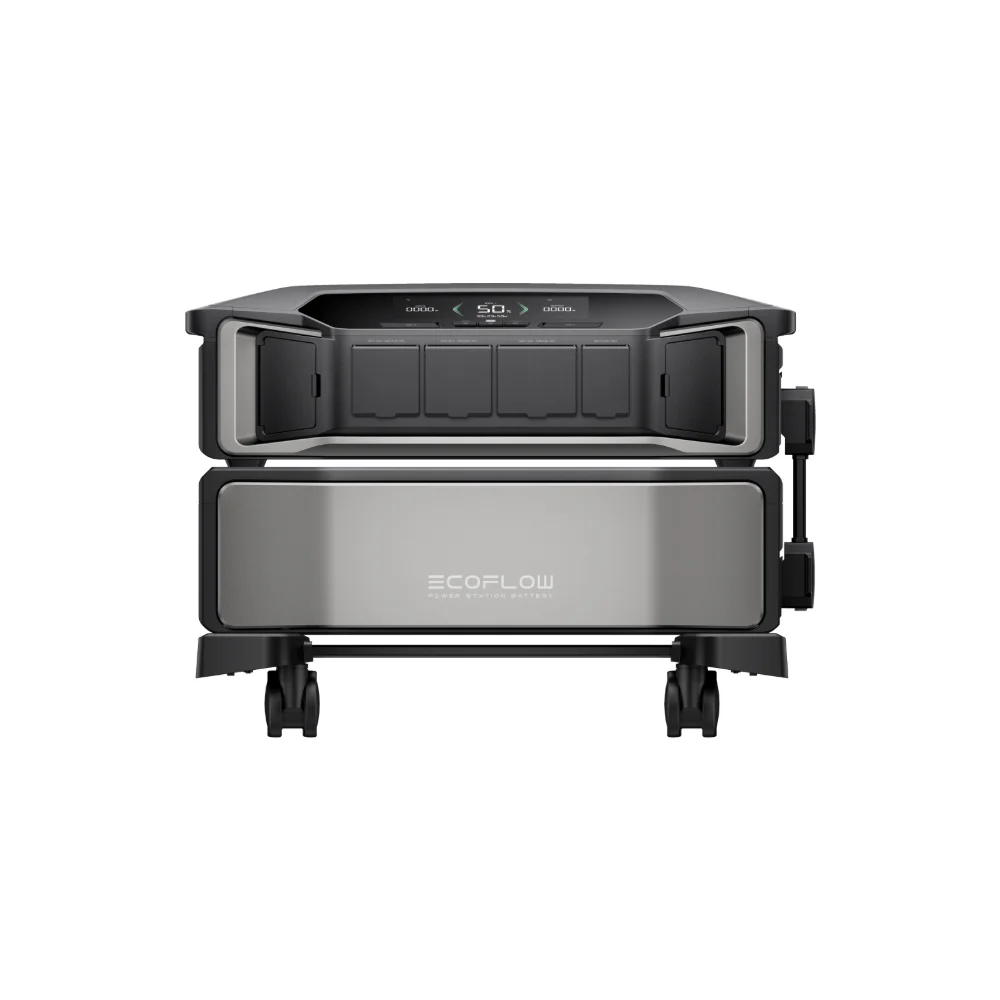

Lithium battery fires get outsized attention online, and it’s easy to walk away from viral videos of exploding e-bike batteries assuming any power station in your house is a similar risk. The reality is more specific and, for anyone using a mainstream LiFePO4 power station, considerably more reassuring than the headlines suggest.
What thermal runaway actually is
Thermal runaway is a chain reaction: something causes a battery cell to overheat, that heat triggers internal chemical breakdown, which generates more heat, which accelerates the breakdown further — a feedback loop that can end in fire if nothing interrupts it. The triggers are well understood and specific, not random: manufacturing defects (a rare microscopic contaminant creating an internal short circuit), physical damage (puncturing or crushing a cell), electrical abuse (overcharging beyond voltage limits, or discharging too fast), and extreme external heat exposure. None of these happen spontaneously in a properly designed, undamaged, correctly used power station.
The chemistry that matters: why LiFePO4 is different
Almost every mainstream consumer power station today — Jackery, EcoFlow, Anker SOLIX, Bluetti, and most competitors — uses LiFePO4 (lithium iron phosphate) battery chemistry specifically because of its safety profile, not just its longevity. The numbers, based on UL 9540A thermal runaway fire propagation testing, are stark:
| Battery chemistry | Thermal runaway onset temperature | Fire severity if ignited |
|---|---|---|
| LiFePO4 (used in nearly all power stations) | ~270°C / 518°F | Mild |
| NMC (common in EVs, some laptops) | ~210°C / 410°F | Severe |
| LCO (common in phones, older laptops) | ~150°C / 302°F | Explosive |
The structural reason behind this gap: LiFePO4 uses an olivine crystal structure held together by strong covalent bonds that remain stable even under extreme conditions, resisting breakdown and preventing the oxygen release that fuels a runaway fire. NMC and LCO chemistries use layered oxide structures that degrade over time and release oxygen when overheated or overcharged — oxygen release is what turns an overheating battery into a self-sustaining fire. This is the core reason a power station’s battery chemistry genuinely matters more than most other specs when safety is the concern, and it’s also why almost no reputable power station brand still uses the older, riskier chemistries.
The actual numbers on real-world risk
Industry data cited by Anern puts the annual fire risk from a home energy storage system at approximately 0.0049% — a genuinely small number, and one that reflects modern LiFePO4 systems with proper battery management, not older or damaged equipment. That figure comes with an important caveat: it applies to properly functioning, undamaged systems used within their design specifications, not to a battery that’s been dropped, punctured, exposed to a car trunk in extreme summer heat for months, or charged with a mismatched, uncertified charger.
What the Battery Management System (BMS) actually does
Every legitimate power station includes a BMS that continuously monitors individual cells and automatically disconnects the battery to prevent dangerous conditions — overcharging, overheating, over-discharge, and short circuits are all things the BMS is specifically designed to catch and interrupt before they escalate. This is why buying from established brands with a track record matters: a well-engineered BMS is a meaningful part of what you’re actually paying for, not just the battery cells themselves.
Certifications that actually mean something
If safety is a real concern, look for these on a spec sheet: UL 9540 (tests complete system safety integration), UL 9540A (specifically evaluates thermal runaway propagation behavior), UL 1973 (individual battery cell certification), and UN38.3 (required for lithium battery transport, a baseline most legitimate products meet). These aren’t marketing badges — they’re independent third-party test results, and their absence on an unfamiliar or unusually cheap product is a legitimate reason for caution.
Practical safety habits that actually reduce risk
A short, concrete list matters more here than vague caution: don’t charge a power station with a damaged or unofficial third-party charger; avoid leaving a unit in direct sun in a hot car for extended periods, especially in summer; don’t puncture, crush, or disassemble the housing; keep the unit’s vents unobstructed for airflow; and if you ever notice swelling, unusual odor, or excessive heat during charging, stop using it and contact the manufacturer rather than continuing to use it.
FAQ
Is a LiFePO4 power station safe to leave charging overnight?
Modern units with a properly functioning BMS are designed for this — the BMS is specifically built to prevent overcharging. That said, placing any charging electronics on a hard, non-flammable surface with clear airflow, rather than on bedding, is a reasonable general precaution.
Are older lithium-ion power stations (pre-LiFePO4) more dangerous?
The chemistry data suggests yes, comparatively — older or cheaper units using NMC or LCO-style chemistry carry meaningfully higher thermal runaway risk and fire severity than current-generation LiFePO4 units, which is one reason the industry has broadly shifted toward LiFePO4.
Does a power station need a fire extinguisher rated for lithium fires nearby?
It’s a reasonable precaution for any home with battery storage, particularly a Class D or lithium-specific extinguisher, though the actual likelihood of needing it with a modern LiFePO4 unit used correctly is low based on the risk data above.
Should I be worried about my power station specifically because it’s lithium?
Not disproportionately — “lithium battery” covers a wide range of actual risk profiles, and the LiFePO4 chemistry used in virtually all mainstream power stations sits at the safer end of that range by a significant margin.
Bottom line
The viral fear around lithium battery fires mostly applies to chemistries and use cases — damaged cells, counterfeit batteries, non-LiFePO4 chemistry — that don’t describe a mainstream power station used as intended. LiFePO4’s higher thermal runaway threshold, mild failure mode, and the near-universal use of a proper BMS make modern power stations a genuinely low-risk category, provided you buy from a reputable brand and avoid the handful of real risk factors — physical damage, extreme heat exposure, and uncertified chargers.
This post may include affiliate links — if you buy through them, we may earn a small commission at no extra cost to you. It doesn’t change what we cover or how we rank anything.