
Power Station Prep for Winter Storms and Heat Domes: A Regional Guide
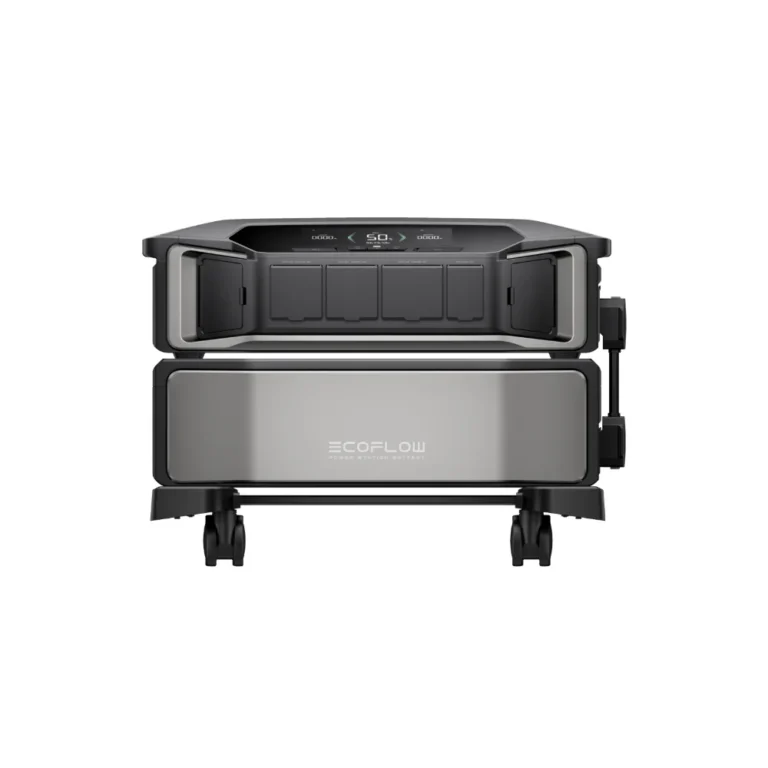
Cold snaps and heat waves each stress a power station differently. Here's how to prepare depending on which one your region actually faces.
home-backup-power
Description: Solar generator and power station solutions for home emergency backup and blackout preparedness
Cold snaps and heat waves each stress a power station differently. Here's how to prepare depending on which one your region actually faces.
Stairlifts and home elevators have very different backup power needs. Here's what a power station can and can't realistically do for each.
Backing up an entire apartment is a different math problem than backing up a single device. Here's how to actually calculate it.
HOA rules and close-together homes make generators complicated. Here's how the noise, fumes, and fine print actually compare to a battery power station.
CPAP backup gets all the attention, but oxygen concentrators and insulin storage have very different power needs. Here's how to think through both.
A dead laptop mid-deadline is its own kind of emergency. Here's how to size a power station that keeps your desk running through an outage.
A PSPS can cut your power with almost no warning. Here's how to size and prep a portable power station so a 24-to-48-hour wildfire-season shutoff barely disrupts your household.
A sump pump's idle inverter draw can consume 3x more energy than the pump itself over 48 hours. Here's the real surge and capacity math, tested against actual pumps rather than spec sheets.
LiFePO4, the chemistry in nearly all consumer power stations, has a thermal runaway threshold of ~270°C versus ~150-210°C for riskier lithium chemistries. Here's what the actual fire risk data shows.
Most portable power stations output 120V only and can't run a 240V well pump at all. Here's how to check your pump's voltage, size for starting surge, and avoid the most common backup mistake.