
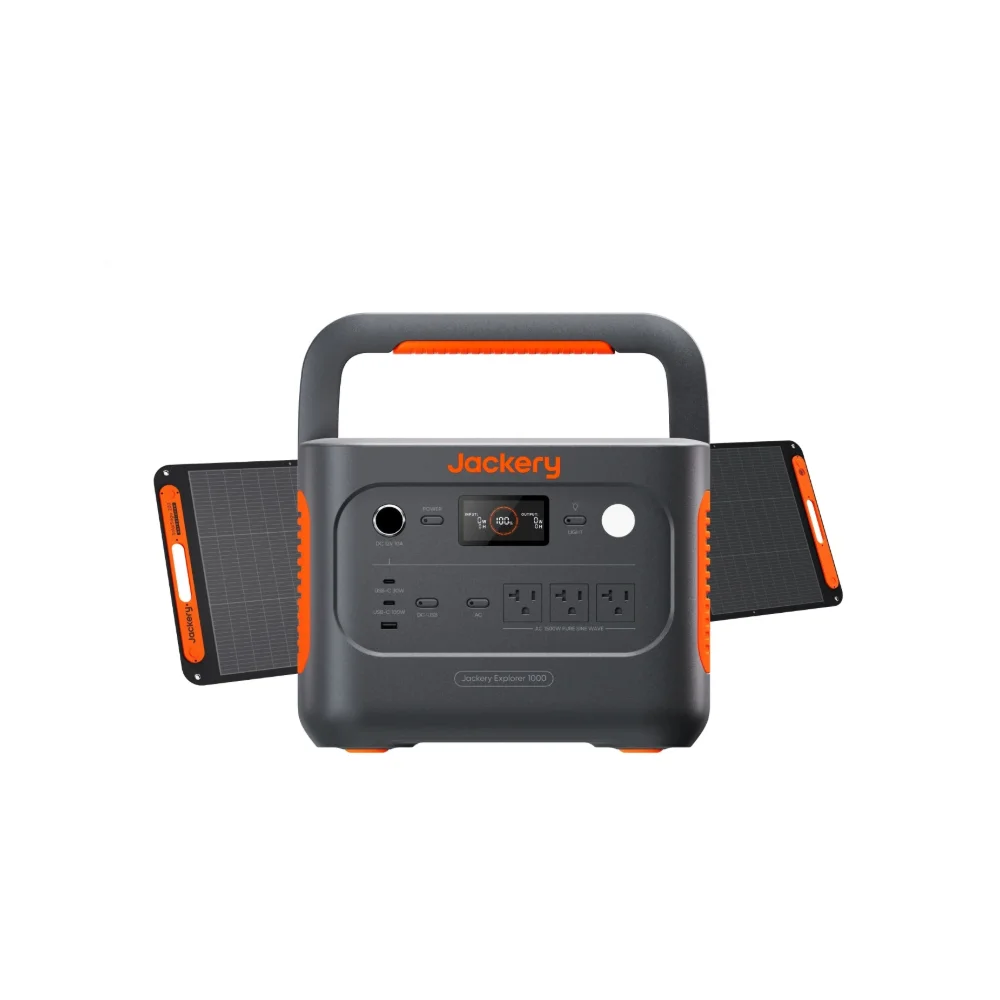

A dead battery on the water is a different kind of problem than a dead battery at a campsite. There’s no gas station around the next bend, your chartplotter and VHF radio aren’t optional accessories, and salt air is actively working to corrode every connector and vent on anything you bring aboard. A portable solar generator solves a real problem for boaters — no exhaust fumes belowdecks, no fuel to store and slosh around, and a battery that sits quietly on standby instead of needing to be pull-started in rough conditions. But not every unit built for camping or home backup is built for a marine environment, and sizing for boat loads has its own quirks. Here’s what actually matters when you’re shopping for one to live on a boat rather than in a garage.
Why battery power makes more sense on a boat than on land
Carbon monoxide is a genuine hazard in an enclosed cabin, and gas generators produce it whether they’re bolted to the transom or sitting loose in a cockpit — a serious risk in confined marine spaces with poor airflow, and the reason CO detectors are mandatory on many boats with enclosed accommodations. A battery-based power station produces zero exhaust, so it can sit in a cabin or under a console without that risk. It’s also silent under load apart from a light fan hum, which matters when you’re anchored somewhere quiet and don’t want a generator drone carrying across the water to every other boat nearby.
Sizing for real marine loads
- Chartplotter and VHF radio. These typically draw 10–40W combined and run for hours, adding up to a modest but steady drain over a full day on the water.
- Livewell or bilge pumps. Pumps have a real surge on startup, often several times their running wattage, so check your unit’s surge rating rather than just its continuous output when sizing for these.
- Trolling motor. A small electric trolling motor can draw anywhere from a few hundred watts up past 1,000W depending on speed and motor size — this is usually the single largest load on a boat’s power budget and deserves its own dedicated battery in most setups rather than sharing with electronics.
- Portable fridge or cooler. A 12V compressor cooler typically averages 40–60W, similar to a cabin fridge, and adds up over a multi-day trip.
- Phones, cameras, and handheld electronics. Small draws individually, but worth accounting for if you’re out for more than a day trip.
For a day-tripper running electronics and charging devices, a compact unit like the EcoFlow TRAIL 200DC is easy to stash in a dry compartment and doesn’t take up much deck space. For overnighting or running a fridge and pump loads across a multi-day trip, step up to something like the BLUETTI AC200P L, which has the capacity and output headroom to cover a fuller electrical load without babysitting it.
Corrosion, moisture, and mounting
Salt spray and humidity are relentless on anything with exposed ports or connectors. Look for units with rubber port covers and, where available, higher IP ratings against dust and water intrusion — few portable power stations are fully marine-rated, so treat any published water resistance as splash protection, not submersion protection, and store the unit in a dry hatch or under a console rather than leaving it exposed on deck between uses. Rinse salt residue off the housing and ports with fresh water after trips, and let it dry fully before sealing it back into a storage compartment. A soft case or dry bag adds a cheap layer of protection during transport and storage.
Secure the unit — don’t let it slide around in a locker or cockpit in a chop. A ratchet strap or a dedicated non-slip mat in a flat storage compartment prevents both damage to the unit and it becoming a projectile in rough water.
Charging strategy on the water
Most units accept DC input from a 12V outlet, which means you can top off from your boat’s alternator while running, in addition to solar. Mounting a rigid or semi-flexible solar panel on a bimini top or hardtop lets you trickle-charge throughout the day without dedicating deck space, though panel output on a moving boat is less consistent than on a fixed structure — shifting shadows from rigging, changing headings, and rocking all reduce effective capture compared to a stationary setup. Treat solar as a supplement to alternator and shore power charging rather than your sole charging source unless you’re anchored for extended periods with a clear, stable angle to the sun.
Frequently asked questions
Are portable power stations safe to use on a boat?
Generally yes, and they’re safer than a gas generator in an enclosed space because they produce no exhaust or carbon monoxide. Keep ports covered when not in use, store the unit dry, and avoid submersion — most units aren’t rated for direct water exposure even if they carry some splash resistance.
Can I run a trolling motor off a portable solar generator?
Some higher-output units can handle a small trolling motor for limited periods, but most anglers are better served by a dedicated deep-cycle marine battery for the trolling motor and reserving the portable power station for electronics, lighting, and charging — trying to run both off one unit drains it fast.
Will salt air ruin a solar generator over time?
It can accelerate corrosion on ports, buttons, and connectors if the unit is left exposed and never rinsed or dried. Regular fresh-water wipe-downs, dry storage between trips, and keeping port covers closed when not charging all significantly extend the unit’s usable life in a marine environment.
Do I need a marine-specific solar generator, or will a regular one work?
True marine-rated portable power stations are rare on the market. Most boaters use standard consumer units and simply manage moisture exposure carefully — dry storage, covered ports, and secure mounting go a long way toward closing the gap.