

Lithium batteries don’t fail gracefully in the cold — they just quietly deliver less power than the spec sheet promised, right when you need a fish finder, a heater, or lights to work in a shanty at 6 a.m. with the temperature well below freezing. Ice fishing and other deep-winter outings put real stress on a solar generator that summer camping never does: reduced capacity, slower charging, and in some cases a battery management system that outright refuses to charge until it warms up. None of that means you need to leave the power station at home — it means you need to understand what cold actually does to it and plan around it. Here’s what matters.
What cold actually does to a lithium battery
Discharging — pulling power out to run something — is generally fine down to fairly low temperatures, often to around -4°F (-20°C) or lower depending on the battery chemistry and manufacturer specs, though available capacity drops as it gets colder. Charging is the more sensitive operation. Most LiFePO4 batteries, which is what nearly all current power stations use, shouldn’t be charged below freezing (32°F/0°C) — doing so risks lithium plating inside the cells, which can permanently reduce capacity and, in worse cases, create a safety hazard. Because of this, most quality units have a built-in battery management system that automatically limits or blocks charging below a set temperature threshold, protecting the battery even if you try to plug it in anyway.
Practically, this means don’t expect to set a solar panel up on the ice and successfully recharge your unit if it’s sitting at ambient temperature well below freezing — the BMS may simply refuse the charge, or accept only a trickle, until the unit warms up.
Keeping the unit warm enough to actually charge
- Keep it inside the shanty, not outside on the ice. A heated shanty typically holds well above freezing, which is often enough to keep the unit’s internal temperature in a range where charging works normally.
- Use an insulated bag or cover for transport. Moving the unit from a warm truck to a cold shanty and back exposes it to temperature swings — an insulated case slows that transition and helps it hold a workable temperature longer.
- Some units include built-in low-temperature charging support or self-heating features. Check the spec sheet for cold-weather charging claims rather than assuming — this varies by model and is a real differentiator for winter use.
- Don’t leave it in a cold truck bed overnight if you can avoid it. Bring it inside between trips; repeated deep-cold soaking isn’t good for long-term battery health even when the unit isn’t actively charging or discharging.
Sizing for what actually draws power on the ice
- Fish finder or flasher. A small draw, typically under 20W, and one of the lightest loads in a typical ice fishing setup.
- Power auger charging. If you’re running a battery-powered auger, factor in a recharge between holes on longer days — check its charger’s wattage rating.
- Shanty heater. If it’s electric rather than propane, this is by far your biggest draw and can eat through a battery fast — many ice anglers stick with propane heat specifically to keep electrical demand low and reserve battery capacity for electronics.
- Lighting and phone charging. Minor draws, but remember that cold weather itself reduces phone battery life too, so budget a little extra charging capacity for devices, not just the power station’s own reserve.
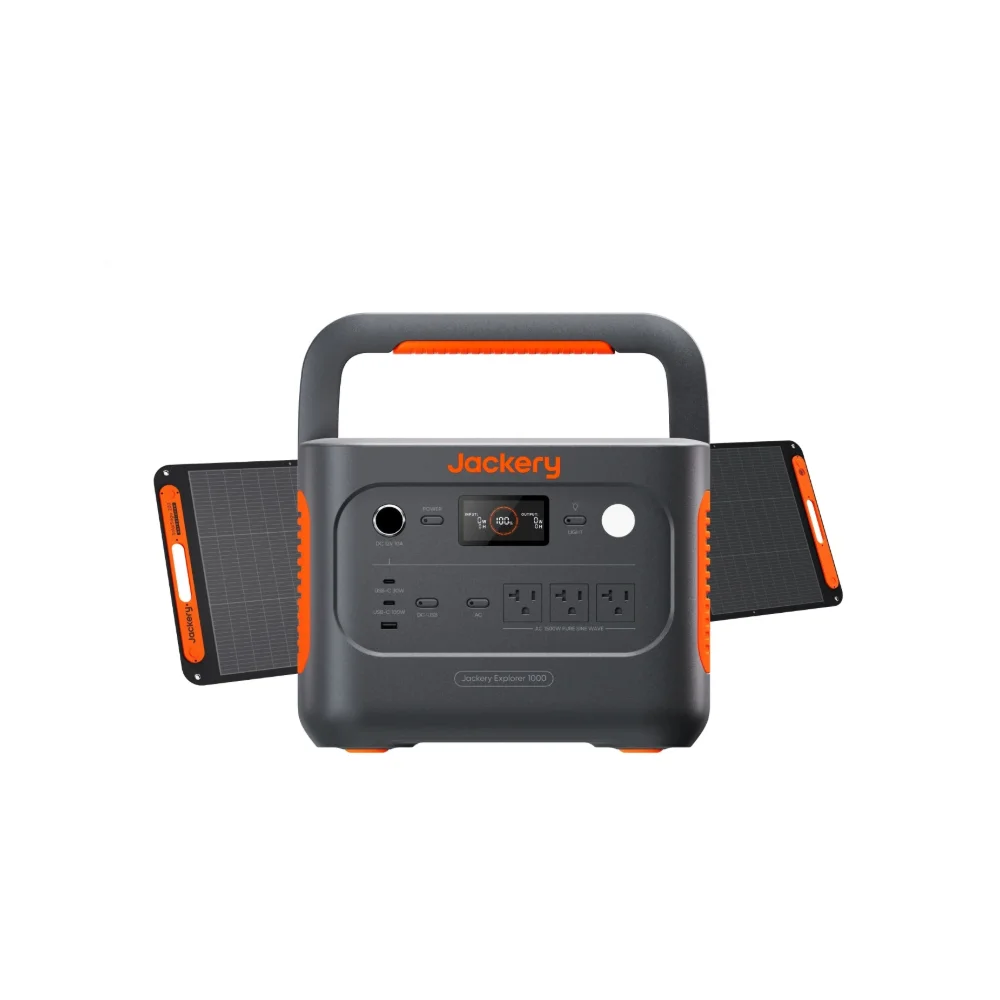
For a single-day or weekend trip with electronics and light charging needs, something compact like the Jackery Explorer 500 v2 covers the basics without adding much bulk to your sled. For longer stays, a heated shanty with more electronics running, or trips where you want real margin against cold-weather capacity loss, the BLUETTI AC200P L gives you the extra headroom that cold weather tends to eat into anyway.
Winter solar recharge is a bonus, not a plan
Even setting the cold-charging issue aside, winter sun is weak and days are short. A solar panel on a bright winter day with the unit warm enough to accept a charge can still meaningfully help, especially reflected off snow, but don’t count on it as your primary charging method for a multi-day winter trip the way you might in summer. Show up with the battery fully charged from home, and treat solar or a vehicle charge as backup rather than the plan.
Frequently asked questions
Can I charge a solar generator in freezing temperatures?
Most LiFePO4 units either won’t charge, or will charge very slowly and cautiously, below freezing, because their battery management system protects the cells from damage. Bring the unit somewhere above freezing — a heated vehicle or shanty — before trying to recharge it.
Does cold weather permanently damage a power station’s battery?
Cold storage or discharge generally doesn’t cause lasting damage, but charging a lithium battery below freezing can, which is exactly why most units block or limit charging at low temperatures. Following the manufacturer’s cold-weather guidance is the best way to protect long-term battery health.
How much less runtime should I expect in cold weather?
Expect a noticeable reduction, though the exact amount varies by battery chemistry, temperature, and unit design — it’s meaningful enough that experienced winter users routinely oversize their battery choice specifically to compensate. Budget extra capacity rather than assuming a summer-rated runtime will hold up on the ice.
Is it safe to run an electric heater off a portable power station in a shanty?
It’s possible with a high-output unit, but electric heaters draw enough power to drain most portable batteries within an hour or two, which is why many anglers prefer propane heat and reserve the battery for electronics and lighting instead.