

The light is perfect, the client is waiting, and your last camera battery just died because the shoot ran two hours longer than planned and there was no outlet within a mile. Outdoor and location photographers run into a specific power problem that campers mostly don’t: sensitive, expensive electronics that need clean power, a laptop for tethered shooting or client review that can’t just idle on battery all day, and lighting gear that draws a lot more than a phone charger. A solar generator solves this well, but the requirements are a little different from a typical camping setup — waveform quality and quiet operation matter more here than raw capacity for most shooters. Here’s what to actually look for.
Pure sine wave output isn’t optional for camera gear
Nearly every quality power station on the market today outputs pure sine wave power rather than the modified sine wave older or budget units sometimes use, but it’s worth confirming on the spec sheet regardless. Camera battery chargers, laptop power supplies, and especially strobe or flash charging units are all designed around clean AC power, and while many will tolerate a modified sine wave without immediate failure, it’s not worth the risk to sensitive gear you depend on professionally. Pure sine wave output behaves like grid power as far as your equipment is concerned — no buzzing, no compatibility guesswork.
Sizing for a real shoot day
- Camera battery chargers. Individually small, usually under 20W each, but multiply by however many batteries and bodies you’re cycling through in a day and it adds up faster than expected on a long shoot.
- Laptop for tethering or review. Figure 45–65W for most laptops running actively, more under heavy processing load — a full shoot day of tethered shooting can draw 300–500Wh from the laptop alone.
- Strobes and studio-style lighting on location. This is where draw jumps significantly — even a modest battery-powered strobe head recharging between shots can pull several hundred watts during recycle, and continuous LED panels can draw 100–300W each while running.
- Drone batteries. Each charge is typically 60–100Wh depending on the drone, and most photographers carry and cycle through multiple batteries in a day.
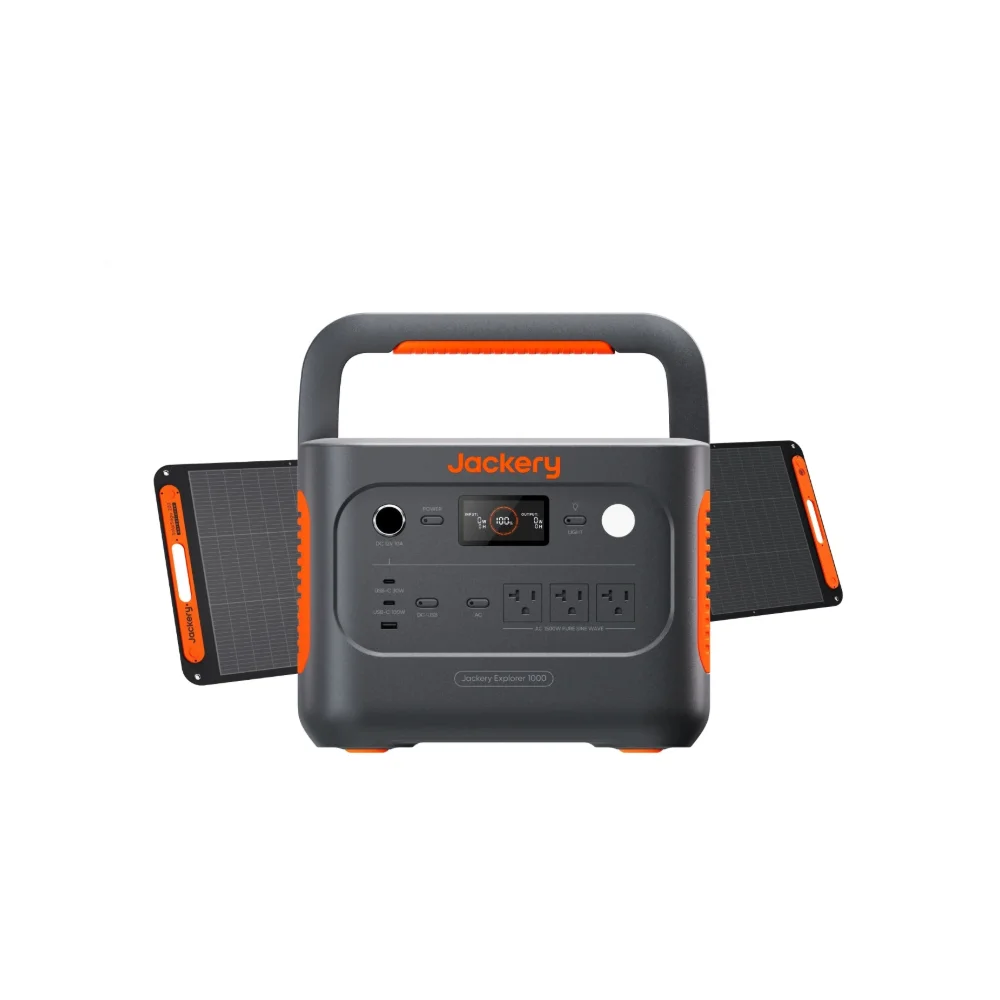
For a shooter mostly charging camera batteries, a phone, and running a laptop occasionally between setups, a small, genuinely portable unit like the Jackery Explorer 500 v2 is easy to carry in a bag and covers the essentials without adding real weight to a kit. For a shoot day involving continuous lighting, strobes, and extended laptop tethering, step up to something with real output headroom like the Anker SOLIX S2000, which can handle lighting gear alongside device charging without you having to ration power between them.
Quiet operation matters more here than in most use cases
A power station running audio equipment, video with sync sound, or simply sitting near a subject during a portrait session needs to be genuinely quiet — a loud cooling fan can end up audible in recorded audio or just distracting on set. Most units run their fans only under heavier load or fast charging, staying near-silent at idle or light draw, so keeping the unit charged before the shoot and drawing modestly during it (rather than fast-charging devices at full speed mid-session) helps keep fan noise out of the equation entirely.
Weight and portability trade-offs
Photographers already carry heavy kits, and a power station is one more thing on your back or in the truck. Weigh the realistic distance from the vehicle to the shoot location honestly — a unit that’s fine to carry from a parking lot to a nearby overlook is a different proposition from one you’re hauling a mile down a trail. USB-C PD output on the unit itself is worth prioritizing too, since it lets you fast-charge a laptop directly from the power station without a separate charging brick, which is one less thing to pack and one less cable to manage on location.
Frequently asked questions
Will a solar generator damage my camera batteries or charger?
A quality unit with pure sine wave output is safe for camera chargers and behaves the same as a wall outlet. It’s worth confirming the specific unit outputs pure sine wave, since this is standard on most current models but not universal on cheaper or older units.
How many camera batteries can I charge on one full power station charge?
Individually, camera batteries are small enough that a mid-size unit can charge dozens of them on a single charge — the real limiting factor on most shoots is running a laptop or lighting gear alongside them, which draws down capacity much faster than batteries alone.
Can I run studio strobes off a portable power station on location?
Yes, with a unit that has enough continuous and surge wattage headroom — check the strobe’s power draw during recycle, not just its rated output, since recycle draw is often the higher number and the one that actually determines whether the power station can keep up.
Is solar recharge realistic during a full shoot day?
It can meaningfully extend your runtime in good sun, especially on a multi-day shoot where you can lay a panel out between setups, but don’t count on it as your sole power source for a demanding single-day shoot. Show up with a full charge and treat solar as a bonus.