
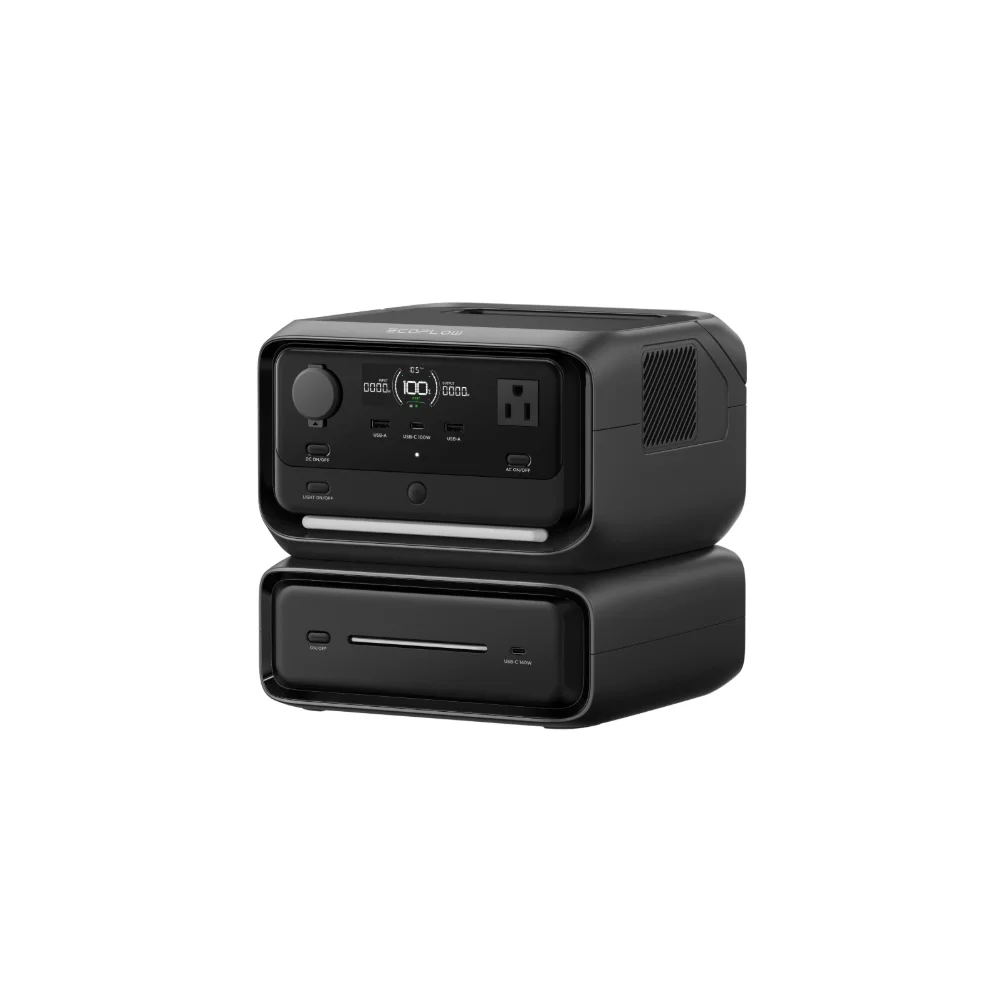

Surface intervals on a dive charter are short, and that’s exactly when everyone’s gear needs to charge — dive lights, dive computers, GoPros, strobes, sometimes a laptop for logging the day’s dives. Most charter boats have limited outlet access, and the ones that do often have it tied up by the crew’s own equipment. A portable power station solves this cleanly: bring your own charging station, plug in during the surface interval, and don’t spend the ride back to the dock discovering your primary light never made it past 40%. The loads here are individually small, but a boat full of divers charging gear at once adds up faster than people expect. Here’s how to size for it.
What actually needs charging between dives
- Dive lights. Most rechargeable dive light chargers draw somewhere around 5–15 watts, similar to a phone charger, whether it’s a primary canister light or a small backup.
- Dive computers. These charge over USB and draw only a few watts — trivial individually, but every diver on the boat has one.
- Action cameras and strobes. GoPro-style camera batteries and video light or strobe chargers typically draw around 10–20 watts each.
- Phones and tablets. Standard 10–20 watts each, used for logging dives or just staying connected between sites.
- A laptop for photo/video offload. On multi-day liveaboard trips, this is a bigger single draw at 45–65 watts, run for an hour or more to back up the day’s footage.
Why it’s about ports and simultaneous charging, not raw wattage
Individually, none of this gear draws much power. The real constraint on a dive charter is charging several people’s devices at once during a limited surface interval — you might have four or five items plugged in simultaneously for 30–60 minutes between dives. A single small power bank can’t keep up with that kind of simultaneous, multi-port demand, which is where a proper power station with multiple USB-A, USB-C, and AC outlets earns its space in a dive bag. The EcoFlow RIVER 2 Max covers a full day of charter diving for a small group — multiple dive lights, computers, and phones across several surface intervals — without needing a recharge until you’re back at the dock.
For solo divers or anyone who wants something small enough to fit in a mesh dive bag alongside a mask and fins, the BLUETTI EB3A is enough capacity for a day of personal gear charging — primary light, backup light, computer, and phone — in a much smaller footprint that’s easier to justify packing on a dive trip where every bit of luggage space matters.
Sizing for a group versus sizing for yourself
- Solo diver, single-day charter. A compact 250–300Wh unit with a couple of USB ports covers a light, computer, and phone with no trouble.
- Small group or dive buddy team. A 500Wh unit with multiple simultaneous ports handles two or three people’s gear across a full day of diving.
- Multi-day liveaboard with camera gear. Factor in laptop charging for photo/video backups — this alone can be 100+ watt-hours per session, so plan for 500–1,000Wh if you’re shooting seriously.
- Dive shop or instructor running charter trips. A larger unit with several AC and USB ports lets you charge student gear across the day without playing musical outlets.
Keeping it dry on deck
A dive boat deck is a wet environment even when nobody’s actively hosing it down — splash, dripping gear, and sunscreen-slicked hands are a given. Keep the power station away from the rinse buckets and gear-washdown area, ideally under a bench seat or in a dry storage compartment, and dry your hands before handling it. None of the charging draw here is large enough to need heavy-duty weatherproofing, but basic care goes a long way toward keeping the ports from corroding over a season of saltwater trips.
Frequently asked questions
How much power does a dive light charger actually use?
Most rechargeable dive light chargers draw somewhere around 5–15 watts, similar to charging a phone. Even a primary canister light with a larger battery typically doesn’t exceed this range for its charger’s draw.
Can one power station charge a whole dive group’s gear during a surface interval?
Yes, as long as it has enough simultaneous ports — the total wattage for several lights, computers, and phones charging at once is usually well under 150 watts combined, so the limiting factor is port count, not battery capacity.
Is a power station worth bringing on a single-day charter, or just a power bank?
For one diver charging one or two small items, a standard power bank can work. Once you’re charging a dive light, a computer, and a phone simultaneously — or charging for a dive buddy too — a small power station with multiple ports and higher total capacity is more reliable and faster.
Will saltwater air damage a power station on a dive boat?
Prolonged exposure to salt spray and humidity can corrode ports and connectors over time, even without direct water contact. Storing the unit in a dry bag or covered compartment between charging sessions and wiping it down after saltwater trips helps it last.