
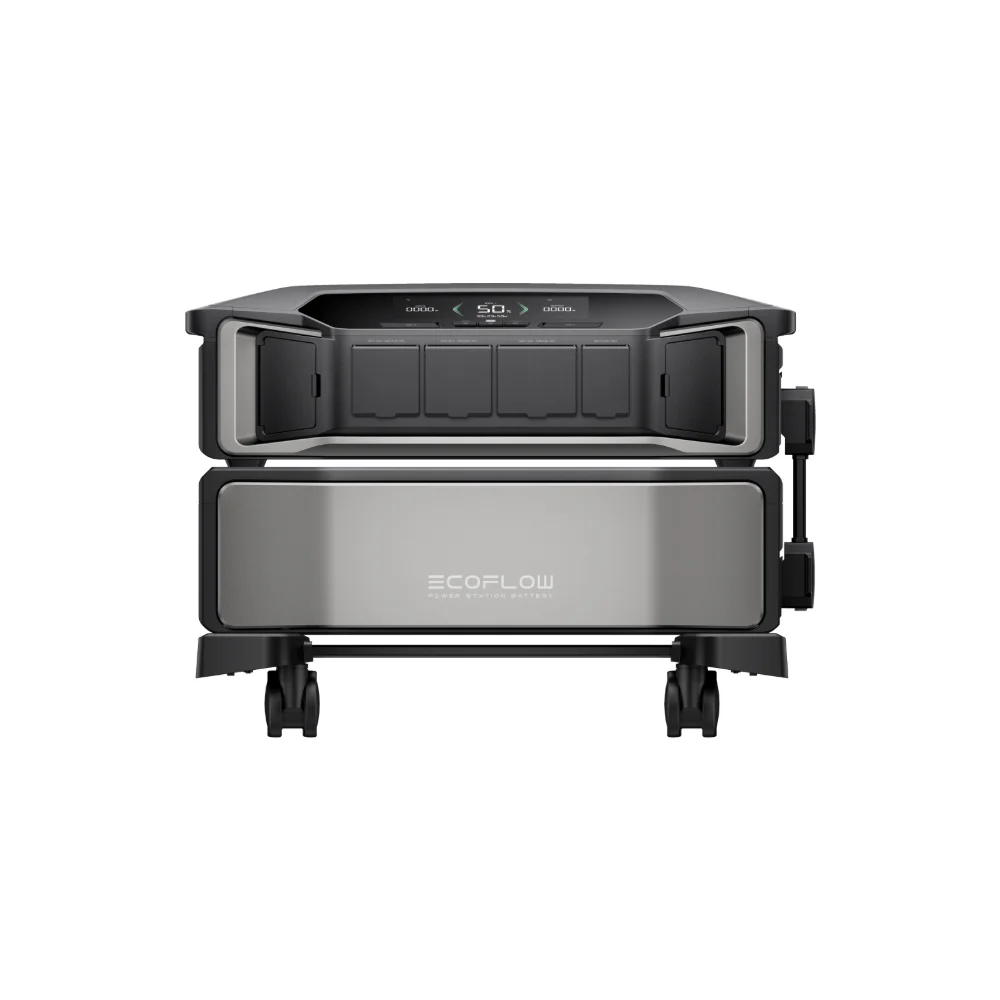

Most of the home-backup advice aimed at medical needs stops at CPAP machines, because they’re common and their power draw is modest and well documented. But CPAP is far from the only medical device that depends on electricity, and two of the others — oxygen concentrators and insulin refrigeration — have power profiles that are genuinely different, and in the case of continuous-flow oxygen, considerably more demanding. Getting the sizing wrong here isn’t a matter of inconvenience the way a dead laptop is; it can mean a device that shuts off exactly when someone needs it most. This guide walks through the real numbers for both, but it comes with a caveat that matters more than any spec sheet: if you or someone in your home depends on life-sustaining equipment, talk to your durable medical equipment provider and your physician about backup power planning specifically, before an outage — not during one. What follows is general information, not medical guidance for your exact device and situation.
Oxygen concentrators draw more power than most people expect
Oxygen concentrators fall into two very different categories, and conflating them is the most common sizing mistake.
- Stationary, continuous-flow concentrators — the kind that sit on the floor at home and run around the clock — typically draw somewhere in the range of 300 to 350 watts continuously. Because they run 24/7 rather than in bursts, that adds up to roughly 7,000–8,500 watt-hours per day, which is a substantial load for any portable power station.
- Portable, pulse-dose concentrators — smaller, battery-friendly travel units — draw far less, often in the 100–150 watt range depending on the flow setting, and typically cycle rather than running flat-out continuously.
- Check your specific model’s rating plate rather than relying on category averages — wattage varies meaningfully between brands and flow settings, and it’s printed right on the unit or in its manual.
The practical upshot: a small power station that comfortably runs a CPAP all night will struggle to run a stationary continuous-flow concentrator for more than a few hours. If continuous-flow oxygen is a daily need in your home, you’re looking at either a large-capacity power station paired with solar recharging to sustain it over a multi-day outage, or — more realistically, per most respiratory equipment providers — a backup oxygen tank supply as the actual fallback, with battery power as a bridge rather than the primary plan. A compact unit like the BLUETTI EB3A is well matched to a pulse-dose portable concentrator or a CPAP, giving many hours of runtime from its 268.8Wh battery, but it is not sized for a continuous-flow unit running all day. For that heavier load, or for a household running multiple medical devices at once, a larger unit like the Anker SOLIX C1000 Gen 2 buys meaningfully more runtime, though even at 1,024Wh it’s only good for roughly three hours of continuous-flow concentrator use before needing a recharge — solar input becomes important if the outage runs long.
Insulin storage is a temperature problem, not just a power problem
Insulin is more forgiving than most people assume, and knowing the actual guidance can prevent a lot of unnecessary panic during an outage. According to FDA guidance, unopened insulin is ideally stored refrigerated between about 36°F and 46°F, but if refrigeration isn’t available, insulin can generally be kept at room temperature — between roughly 59°F and 86°F — for up to 28 days and still work, as long as it isn’t exposed to direct heat, sunlight, or freezing. Insulin that has been frozen should never be used, and insulin exposed to temperatures above about 98.6°F, such as inside a hot car, should be discarded. This is general FDA guidance, not a substitute for instructions specific to your insulin brand or your endocrinologist’s advice, and it’s worth confirming your exact product’s storage tolerance since formulations vary.
Practically, that 28-day room-temperature window means insulin storage during a short outage is much less urgent than keeping food cold, and a small cooler with ice packs is often enough for a day or two without any power station at all. Where a power station earns its keep is for longer outages, or for households that prefer to keep insulin properly refrigerated rather than rely on the room-temperature allowance. A small dedicated mini-fridge or medical-grade cooler typically draws 40–80 watts while running, though compressor start-up can briefly spike higher — well within what even a small power station can handle for days at a time, especially since a mini fridge cycles on and off rather than running continuously.
Sizing for a household running more than one device
Many households aren’t backing up just one device — it’s a CPAP plus a phone charger plus a mini fridge for insulin, or an oxygen concentrator plus a nebulizer. When stacking loads, add up the continuous wattage of everything that might run at once, not just the total capacity — a power station’s inverter has a maximum output wattage, and exceeding it (even briefly, at appliance startup) can trip a protective shutdown at the worst possible moment. Build in headroom rather than sizing to the exact number, and test your setup with your actual equipment before you need it for real, not during the emergency.
A note on relying on backup power for life-sustaining equipment
This bears repeating plainly: a power station, however well sized, is a backup — not a guarantee. Batteries can fail, inverters can trip, and no consumer power station is designed or certified as primary life-support equipment. If you or a family member depends on an oxygen concentrator, insulin, or any other life-sustaining device or medication, the responsible plan includes redundancy your durable medical equipment supplier and physician can help you build — backup oxygen tanks, a documented emergency plan with your utility (many offer priority restoration or medical-baseline programs for customers with documented needs), and a clear understanding of how long your specific medication or device can safely go without power before it becomes a medical emergency. A blog post is a reasonable starting point for understanding the general numbers; it is not a substitute for that conversation.
Frequently asked questions
How long can a portable power station run a continuous-flow oxygen concentrator?
At roughly 300–350 watts of continuous draw, a 1,000Wh-class power station typically provides only around three hours of runtime, and a 2,000Wh-class unit around six hours. For a multi-day outage, that means either a much larger battery bank with solar recharging, or treating backup oxygen tanks — not battery power — as the primary fallback, consistent with guidance from respiratory equipment providers.
Do I need to refrigerate insulin during a short outage?
Not necessarily. Per FDA guidance, unopened insulin generally remains usable at room temperature (roughly 59–86°F) for up to 28 days if it isn’t exposed to direct heat, sunlight, or freezing — though this can vary by insulin type, so check your product’s specific labeling or ask your pharmacist. For longer outages or extra peace of mind, a small power station running a compact fridge is an easy, low-power solution.
Can I ask my utility company for priority power restoration for medical equipment?
Many utilities maintain a medical-baseline or critical-care customer program that can offer earlier restoration priority and advance outage notifications for households with documented medical needs. Programs and eligibility vary by utility and state, so contact your provider directly to ask what’s available and how to enroll — it’s worth doing well before an outage, since enrollment usually requires documentation from a physician.