

If you’re shopping for the best battery power station for home backup, you already know why: outages have become noticeably more common in a lot of regions in recent years, especially storm-prone ones. This isn’t a hypothetical prepper concern anymore; it’s genuinely practical planning for a lot of households.
This article may include affiliate links — if you buy through them we may earn a small commission at no extra cost to you, but our recommendations are based on our own independent research.
Best Battery Power Station for Home Backup: What “Whole-Home” Actually Requires
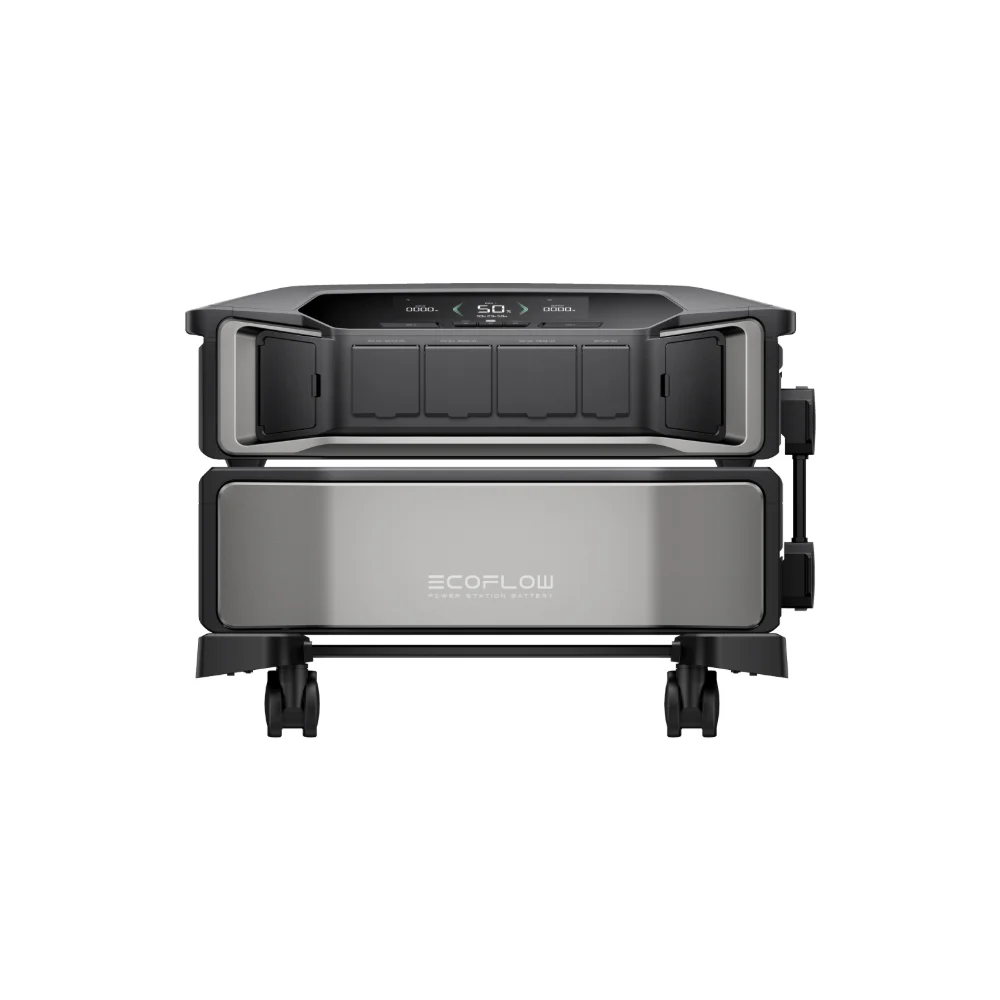
True whole-house coverage — running everything at once, including HVAC — is a big ask for a battery system and usually means a large-capacity unit (multiple kWh-class or bigger) paired with a proper transfer switch wired into your breaker panel by a licensed electrician. Current large units like the EcoFlow Delta Pro 3 are built with this kind of integration in mind, with continuous output in the thousands of watts and base capacity in the multi-kWh range — check the manufacturer’s current spec sheet for exact figures, since these get revised between hardware versions.
Comparing Popular Large-Capacity Units
At the top end of the category, a handful of names come up repeatedly: EcoFlow’s Delta Pro line, Anker’s SOLIX F3800 and similar high-capacity models, and Bluetti’s AC500/B300 series all target this whole-home-adjacent space with base capacities in the thousands-of-watt-hours range and expansion batteries to grow from there. My take: at this price tier — and it’s a genuinely significant investment at this level — the differences that actually matter are continuous output rating (make sure it covers your real critical load, not just the marketing headline number), expansion battery cost and availability, and warranty length. These units are a serious investment, and the company standing behind it for years to come matters as much as the spec sheet on day one.
Current models from these lines are available through Outbound Power: Check current price on the EcoFlow DELTA Pro 3 →, Check current price on the Anker SOLIX F3800 →, or Check current price on the BLUETTI AC500 →
The More Realistic Goal: Critical Circuits
My take: for most households, “whole home” backup really means the fridge, some lighting, WiFi/internet, phone charging, and maybe a well pump or furnace fan — not central AC running all day. A transfer switch covering a handful of critical circuits handles this realistically with a more modest battery capacity than true whole-house coverage would need, and it’s a far more achievable (and affordable) target for most people.
Sizing for Critical-Circuit Backup
For fridge, lights, WiFi, and phone charging through a day-long outage, a station in the 1,500-2,000Wh class typically covers you with reasonable margin. Extend that further with expansion batteries if you want multi-day coverage without a recharge, or if a well pump or medical equipment adds meaningfully to your critical load.
Transfer Switch vs Extension Cords
A transfer switch, professionally installed, lets your power station feed specific circuits directly through your existing wiring — safer and far more convenient than running extension cords to individual devices during an outage. It costs more upfront, since professional installation is its own project on top of the unit price, but for anyone treating home backup as a serious, recurring need rather than a rare inconvenience, it’s worth the investment.
Working With a Licensed Electrician: What to Expect
A transfer switch installation typically starts with the electrician assessing your panel and identifying which circuits qualify as “critical” for your household, then physically installing the switch between your panel and those circuits so power can be safely rerouted from your battery system without backfeeding into the grid (a genuine safety hazard that transfer switches specifically prevent). Expect the process to take anywhere from a few hours to a full day depending on your panel’s condition and circuit count, and always confirm the electrician is licensed and has specifically worked with battery backup systems, not just generator transfer switches — the two aren’t always identical in setup.
Insurance and Warranty Considerations
For a purchase in this price range, check the manufacturer’s warranty length and what it actually covers — battery capacity degradation clauses are worth reading closely, since some warranties cover outright failure but not gradual capacity loss below a certain threshold. It’s also worth mentioning a whole-home battery installation to your homeowner’s insurance provider; some policies want to know about permanently installed electrical equipment, and a few even offer minor discounts for documented backup power systems in outage-prone areas.
Permits and Local Code Requirements
Transfer switch installations tied into your home’s electrical panel typically require a permit and inspection in most jurisdictions, similar to other electrical work. A licensed electrician familiar with battery backup installations (not just generator transfer switches) should handle this as part of the job, including pulling the necessary permit — if a contractor suggests skipping this step, that’s a red flag worth pushing back on, since unpermitted electrical work can create real problems if you ever sell the home or file an insurance claim.
Our Recommendation
Most households don’t need — or can’t justify the cost of — true whole-house battery backup. Size for your actual critical circuits (fridge, lights, connectivity, maybe a pump) rather than everything in the house, and consider a transfer switch if backup power is a recurring need in your area rather than a rare event.
FAQ
Do I need a transfer switch for home backup power?
Not strictly, but it’s safer and more convenient than extension cords if backup power is a recurring need — it lets you power specific circuits directly through your existing wiring.
What size power station covers a typical outage?
For critical circuits (fridge, lights, WiFi, phone charging) through a day-long outage, a station in the 1,500-2,000Wh class is a reasonable starting point for most households.
How much does a full whole-home battery backup system cost?
A fully expanded large-capacity setup with professional transfer switch installation is a genuinely significant investment — meaningfully more than a critical-circuits-only setup, which is why matching your spend to your actual need matters. Get current quotes from manufacturers and installers rather than relying on any figure printed here, since pricing shifts often.
Can I add more batteries later if my needs grow?
Most large-capacity systems in this category are designed as expandable ecosystems, letting you add capacity batteries later rather than replacing the whole unit — worth confirming compatibility and expansion battery availability before you buy your base unit.
Related Reading
- Best Power Stations for Hurricane and Storm Season Preparedness
- How to Power Your Fridge and Essentials During a Blackout