
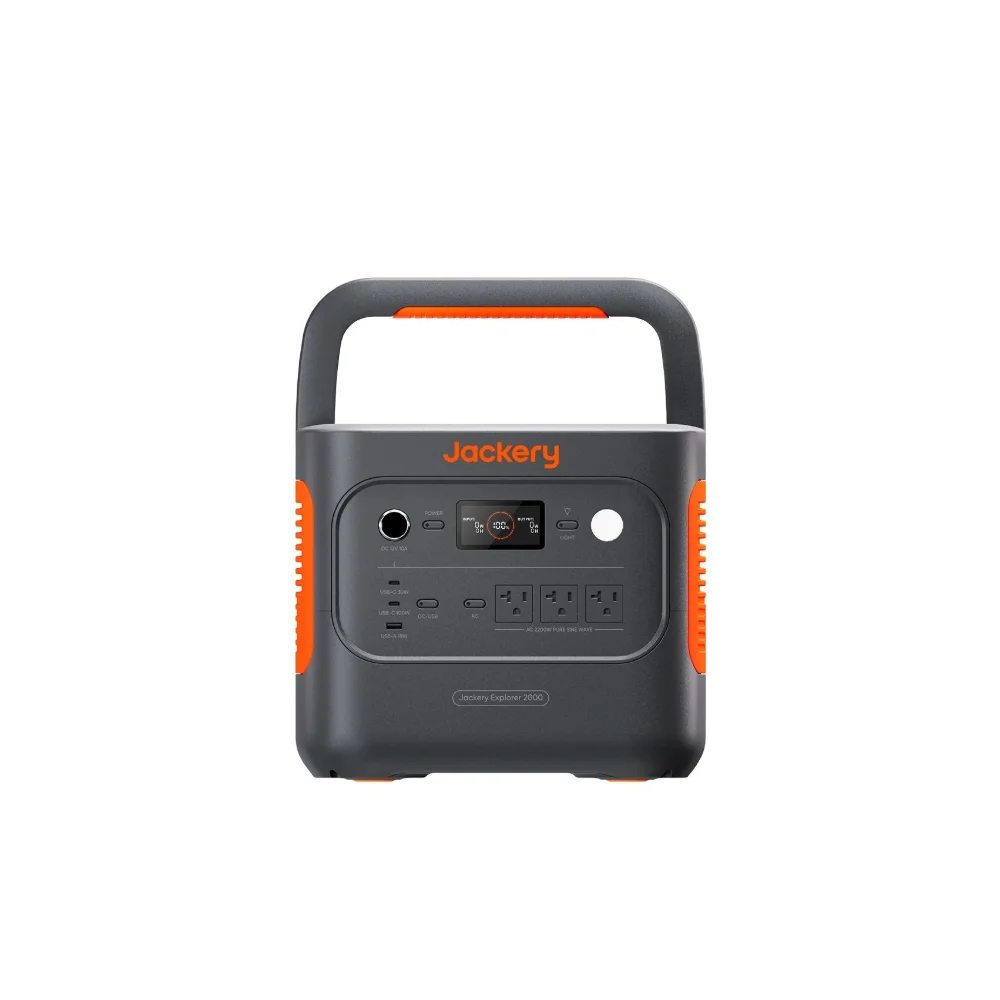

Every few years, a new battery chemistry shows up promising to change everything about portable power. Right now, that chemistry is sodium-ion, and it’s been getting real attention in the energy storage press over the past couple of weeks — new research reviews, fresh manufacturing deals, and renewed interest from companies looking past lithium. So is sodium-ion about to replace the LiFePO4 batteries in your portable power station? Not yet, and not really “replace” — but it has already arrived in a niche way, and it’s worth understanding both what exists today and why people are talking about it.
Affiliate disclosure: This article may include affiliate links — if you buy through them we may earn a small commission at no extra cost to you, but our recommendations are based on our own independent research.
What’s Actually Happening With Sodium-Ion Right Now
Sodium-ion battery research has picked up noticeably in 2026. Industry publications have covered new literature reviews on sodium-ion battery components, and there have been fresh strategic manufacturing agreements aimed at scaling non-flammable sodium-ion energy storage systems. Some of this activity is aimed at large, stationary battery installations rather than the kind of portable power station you’d take camping or keep by the couch for outages — but the underlying chemistry is the same one occasionally floated as a future alternative to LiFePO4 in consumer products.
To be clear about what’s actually available: one mainstream brand already ships a consumer sodium-ion power station. BLUETTI’s Pioneer Na (900Wh, 1,500W, around $799) launched in the U.S. in September 2025 and has been covered by independent outlets since — by most accounts, the first sodium-ion portable power station widely available to consumers. It’s a single product from a single brand, though, not a category shift: Jackery, EcoFlow, and Anker don’t have a sodium-ion consumer product on the market as of this writing. I’d treat the Pioneer Na as early and worth extra scrutiny — check independent, hands-on reviews before buying — rather than assuming it matches the multi-year track record LiFePO4 products have built up.
Sodium-Ion vs LiFePO4: The Practical Differences
Raw Material Availability
Sodium is abundant and cheap compared to lithium, which is the main reason researchers keep circling back to it. In theory, that could eventually mean lower-cost batteries once manufacturing scales up.
Energy Density
This is where sodium-ion currently falls short. LiFePO4 batteries pack more energy into a given size and weight, which is exactly why portable power stations — where you care about watt-hours per pound — have standardized on lithium chemistries. Sodium-ion cells are generally bulkier for the same capacity, which is a real problem for something you’re expected to carry.
Safety and Longevity
Sodium-ion is often described as non-flammable or lower fire-risk compared to some lithium chemistries, which is appealing for large stationary storage. LiFePO4, though, is already considered one of the safest lithium chemistries available, and it has a long track record — many portable power stations rated for 3,000 to 6,000+ charge cycles before dropping to 80% capacity. Sodium-ion doesn’t yet have that kind of multi-year consumer track record in portable applications.
Why This Matters If You’re Shopping Today
If you’re in the market for a power station right now, this is still mostly a “watch, don’t wait” situation, with one exception worth knowing about. The technology is genuinely interesting and worth following, and BLUETTI’s Pioneer Na gives early adopters a way to try it, but for most buyers it isn’t yet at a stage where it should change your near-term buying decision. LiFePO4 remains the proven, widely-available standard, and that’s not likely to shift in the next year or two.
My Take
I like keeping an eye on battery chemistry news because it occasionally signals a real shift — the way LiFePO4 itself eventually displaced older lithium-ion and lead-acid options in this category. But I’m skeptical of treating every research headline as an imminent product change. Sodium-ion feels like it’s still mostly a stationary-storage and industrial story right now, with consumer portable applications several steps behind. If you need a power station today, buying a well-reviewed LiFePO4 unit is still the safe, well-supported choice — not a compromise you’re making while waiting for something better.
What to Watch For as the Category Develops
A single mainstream sodium-ion product doesn’t make a trend, but it’s worth watching whether other established brands — Anker, EcoFlow, Jackery — introduce their own sodium-ion models over the next year or two. That would be a stronger signal that the chemistry is genuinely ready for broad consumer use than one early entrant from a single manufacturer. We’ll keep this page updated as the category actually develops rather than speculating too far ahead of what’s verifiably on the market today.
Where Sodium-Ion’s Real Advantage Might Actually Show Up First
Energy density is sodium-ion’s current weakness, but cold-temperature performance is one area where the chemistry has a genuine theoretical edge over LiFePO4. Sodium-ion cells generally tolerate low temperatures better, potentially retaining more usable capacity in the cold and possibly loosening the strict below-freezing charging restriction that LiFePO4 batteries currently impose. If that holds up in real-world products beyond early lab and marketing claims, it would matter most for exactly the use cases where LiFePO4’s cold-weather charging floor is the biggest practical annoyance — ice fishing, winter camping, and any outdoor use case where charging indoors before heading out isn’t always practical. Our guide on power stations for ice fishing in freezing temperatures covers exactly what that LiFePO4 limitation looks like in practice today, and it’s the kind of use case worth revisiting once more sodium-ion products with independently verified cold-weather specs reach the market. Until then, treat any cold-weather performance claims for sodium-ion power stations as manufacturer marketing that hasn’t yet been broadly independently verified, not an established fact.
How This Fits Into the Bigger Battery Chemistry Picture
Sodium-ion is one of several next-generation chemistries getting attention in the broader battery world, alongside solid-state and other lithium variants, and it’s worth keeping some perspective on where LiFePO4 itself sits in that picture. LiFePO4 became the dominant portable power station chemistry precisely because it solved the safety and cycle-life problems of older lithium-ion and lithium-polymer cells — understanding what changed and why LiFePO4 cycle life matters helps put any newer chemistry’s claims in context. Our explainer on LiFePO4 cycle life and what 3,000+ charge cycles really means covers the chemistry that any newcomer, sodium-ion included, actually has to beat on more than just marketing claims.
FAQ
Is sodium-ion better than LiFePO4?
Not for portable use today. Sodium-ion has potential cost and safety advantages at scale, but LiFePO4 currently wins on energy density, which matters more for something you carry or move.
Can I buy a sodium-ion portable power station right now?
Yes, one: BLUETTI’s Pioneer Na (900Wh, 1,500W), which has been on the U.S. market since September 2025. It’s the only mainstream-brand sodium-ion option we’re aware of as of this writing — treat it as an early, single-product category rather than an established one, and check independent reviews before buying.
Will sodium-ion make power stations cheaper?
Possibly, over the long term, if raw material savings translate into consumer pricing once manufacturing scales. That’s not something that’s happened yet.
Is sodium-ion safer than LiFePO4?
Both are considered relatively safe chemistries compared to older lithium-ion variants, and sodium-ion has some theoretical thermal-stability advantages, but LiFePO4’s safety track record in consumer power stations is well-established at this point, while sodium-ion’s is still building. Neither should be treated as a safety concern for a mainstream-brand product.
Should I wait for sodium-ion before buying a power station?
For most buyers, no — LiFePO4 is a mature, well-understood, widely available chemistry today, while sodium-ion is a single early product from one brand. Waiting for a still-emerging technology to mature and broaden rarely makes sense when your current need is real and the established option is proven.
How would I know if a sodium-ion power station is actually worth it once more options exist?
The same way you’d evaluate any power station: independently verified capacity, cycle life, and cold-weather performance claims, not just manufacturer marketing copy. As more sodium-ion products enter the market, we’ll update our coverage with real-world testing and comparisons rather than repeating spec-sheet claims.