
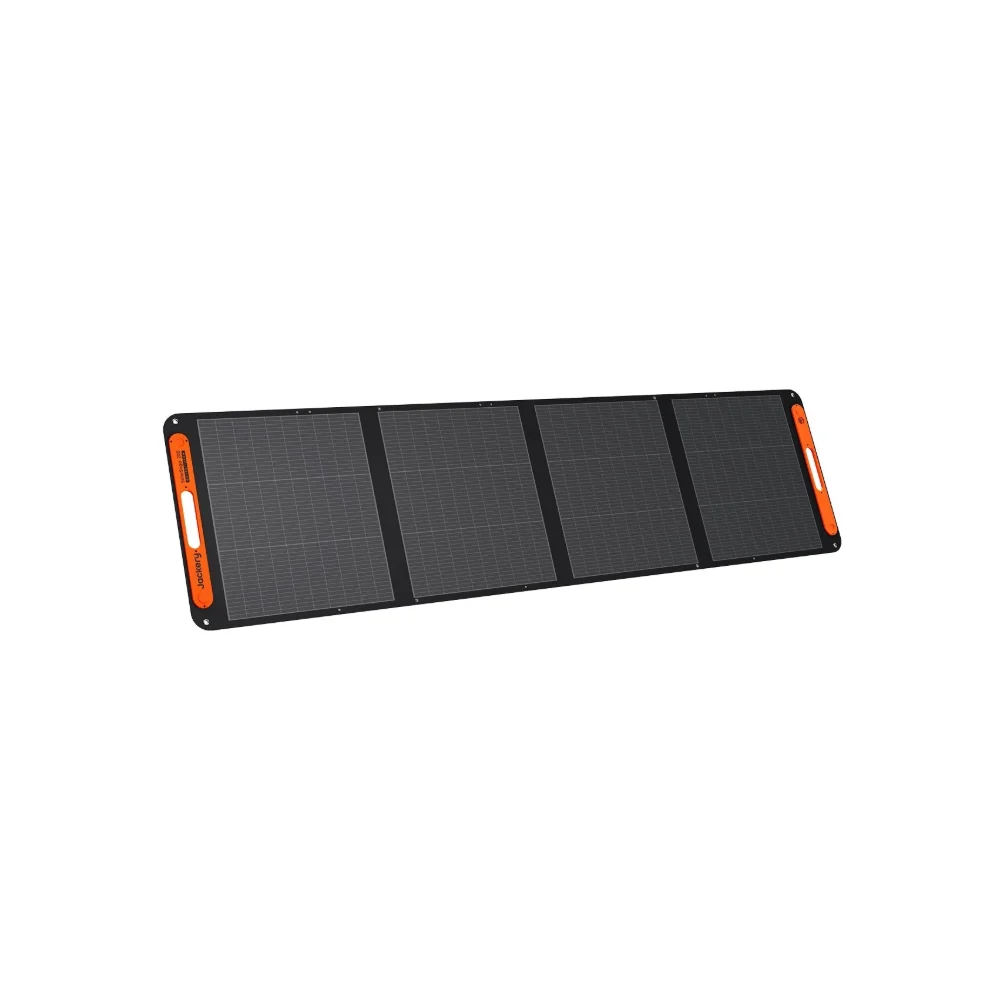

A portable solar panel doesn’t need much maintenance to keep working — but “not much” isn’t “none,” and the gap between a clean panel and a dusty one is bigger than most people assume. A thin film of dust, pollen, or road grime sitting on a panel’s surface is quietly cutting into every charging session until you actually clean it off.
How much output you’re actually losing
Real-world data on this varies by climate, but a commonly cited range is 5-10% efficiency loss in dusty areas, with higher losses in coastal or polluted regions where salt residue or particulate buildup accumulates faster. Even a thin, barely visible layer of dirt can measurably reduce output — this isn’t a problem that only shows up once a panel looks visibly filthy. For a portable panel used for camping, overlanding, or van life, that 5-10% can be the difference between a full charge by evening and falling meaningfully short.
How often to actually clean it
General guidance suggests cleaning once or twice a year for most climates, but this varies significantly based on your actual conditions. Regions with regular rainfall get natural cleaning that reduces how often manual cleaning is needed, while dry, dusty climates may call for cleaning every three to six months to keep output from drifting downward. For a portable panel that travels with you — picking up dust from different environments, dirt roads, or campsites — a practical rule is simpler: check it visually before any trip where charging performance matters, and clean it if you can see or feel buildup on the surface.
The right way to clean a portable panel
The safe cleaning method is straightforward: rinse away loose dirt and debris with clean water (a garden hose works fine for larger fixed panels; a spray bottle or damp cloth is usually enough for a portable unit), then use a soft-bristled brush with mild soap if needed for anything stuck-on, and rinse again with clean or distilled water to avoid leaving mineral deposits that create their own faint film over time. A squeegee or a microfiber cloth helps remove excess moisture and avoid water spots on the glass or laminate surface.
What to avoid
A short list of real mistakes worth skipping entirely: don’t use a pressure washer (the force can damage the panel’s seals or surface coating), don’t use harsh chemicals or abrasive sponges (these can scratch the anti-reflective coating that helps efficiency), and don’t clean the panel while it’s hot from direct sun — thermal shock from cold water hitting a hot panel surface can theoretically stress the glass, so clean early morning or evening when the panel has cooled. If your setup involves any electrical connection while cleaning, disconnect it first to avoid any shock risk, however minor, while the surface is wet.
Beyond cleaning: the rest of portable panel maintenance
Cleaning is the highest-impact maintenance task, but a few other habits matter for a portable panel’s longevity: inspect the connector and cable regularly for fraying, corrosion, or loose connections (see our guide on matching solar connectors to your power station for connector-specific details), store the panel folded flat in its case rather than loose in a trunk where it can flex or get scratched, and avoid leaving it face-down or stacked under heavy gear that could crack the surface. Foldable fabric-backed panels in particular benefit from being fully dry before folding and storing, since trapped moisture between folded layers can encourage mildew over time in humid climates.
FAQ
Can I just wipe my portable panel with a dry cloth instead of washing it?
For light dust, a dry microfiber cloth works fine and is often the most practical option while traveling. For caked-on dirt, grime, or salt residue, a wet clean with mild soap does a more thorough job without risking scratches from dragging dry grit across the surface.
Does bird droppings or sap on a panel cause more than just an efficiency dip?
Yes — beyond blocking light, these can create localized “hot spots” on the affected cells if left for extended periods, since that portion of the panel isn’t generating power while the rest of the string still is. Clean these off promptly rather than waiting for a routine cleaning cycle.
Is rain enough to keep a portable panel clean on its own?
Rain helps rinse away loose dust, but it doesn’t remove sticky residue, sap, or accumulated grime the way an actual cleaning does — and rain can sometimes leave its own mineral spotting depending on water hardness in your area.
Will a dirty panel damage my power station, or just charge slower?
A dirty panel simply reduces the power getting to your power station — it won’t damage the unit itself. The only real cost is charging speed and total daily energy captured, which compounds over a multi-day trip if left unaddressed.
Bottom line
A 5-10% efficiency loss from dust sounds small until you’re relying on every watt during a multi-day trip. Clean your portable panel with plain water and a soft cloth or brush whenever you notice buildup, avoid pressure washers and harsh chemicals, and fold it away dry to protect both its output and its lifespan.
This post may include affiliate links — if you buy through them, we may earn a small commission at no extra cost to you. It doesn’t change what we cover or how we rank anything.