
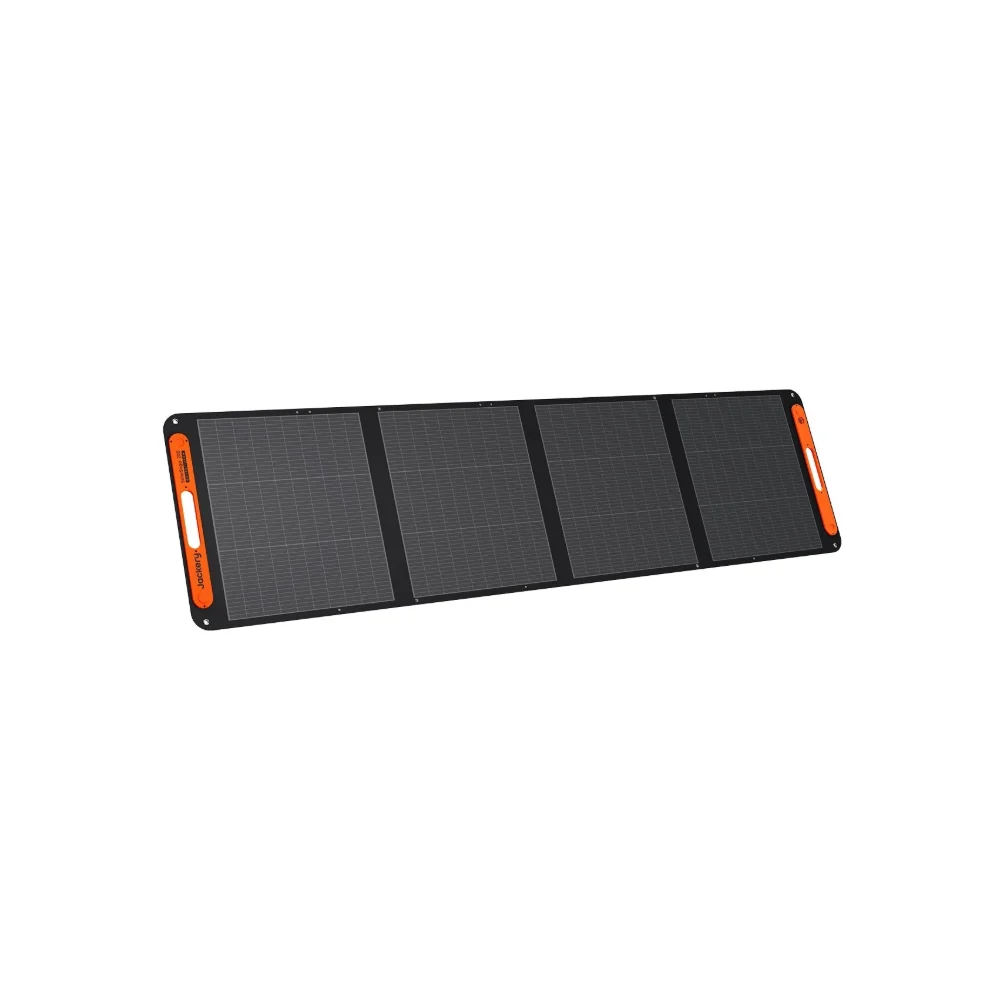

An IP rating looks like a small detail buried in a spec sheet, but it’s actually one of the more precisely defined numbers on the whole page — governed by an international standard (IEC 60529), not a marketing team. The problem is that most shoppers read “IP65” or “IP68” as a vague synonym for “waterproof” and move on, without realizing the two digits are answering two completely different questions. Get the interpretation wrong and you might leave a panel out in conditions it was never built to survive, or pay extra for protection you’ll never actually need. Here’s what each digit really means, and what it means for how you should actually use the panel.
How to read an IP rating
“IP” stands for Ingress Protection. The two digits that follow each measure a separate thing: the first digit rates protection against solid objects and dust, the second rates protection against liquids. Higher numbers mean more protection in each category, but the two digits are independent — you can’t infer one from the other.
- The first digit (solids/dust), on a 0-6 scale. A 6 — the top of the scale, and the digit used in both IP65 and IP68 — means the enclosure is fully dust-tight, with no ingress of dust at all under test conditions.
- The second digit (liquids), on a 0-9K scale. This is where IP65 and IP68 actually diverge, and it’s the part that matters most for how you use the panel outdoors.
What IP65 specifically means
The “5” in IP65 means the product is protected against low-pressure water jets from any direction — think driving rain, splashing, or a garden hose aimed at it, but not submersion. This is a genuinely solid rating for a solar panel that’s going to be rained on, get splashed, or sit through a storm while set up outdoors. It is not a rating that allows the panel to be dunked in a puddle, submerged in a stream, or left sitting in standing water.
What IP68 specifically means
The “8” in IP68 means the product is rated for continuous immersion — but with an important asterisk: the actual depth and duration of that immersion is defined by the manufacturer, not universally fixed by the standard itself. An IP68 rating on one product might mean safe to 1 meter for 30 minutes, while another manufacturer’s IP68 claim covers different parameters entirely. On a solar panel, IP68 typically applies to specific components — connectors or a junction box — rather than the whole panel assembly, since fully submerging an entire foldable panel isn’t really the design intent even for panels carrying this rating on their connectors.
Why IP65 is usually the right rating for a portable panel
For the way most people actually use a foldable solar panel — set up outside during a camping trip, occasionally caught in rain, maybe splashed by runoff — IP65 covers the realistic scenarios. IP68 sounds more impressive on paper, but for a panel you’re not going to submerge, it’s often protecting against a use case that doesn’t apply, while adding cost. The place IP68 genuinely matters more is on individual connectors and ports that might sit in a puddle of collected rainwater on the ground, which is a real and common scenario even for a panel that’s never technically “submerged” as a whole unit.
Practical rules for weatherproof ratings
- Check both digits, not just the rating as a whole word. A panel advertised as simply “waterproof” without a specific IP number attached is a red flag — ask for the actual rating.
- Look for what part of the panel the rating applies to. A rating on the junction box or connector doesn’t necessarily extend to the fabric backing or hinges — read the fine print if it’s available.
- Don’t treat any rating as permission to submerge a foldable panel. Even a high liquid rating on the connectors doesn’t mean the whole assembly, hinges included, is built to be dunked or left standing in water.
- Still avoid packing a panel away wet if you can help it. An IP rating protects against water getting in during use; trapped moisture inside a folded, stored panel over time is a different problem that ratings don’t address.
Most well-built portable panels on the market, including options like the Pecron 300W portable panel and the Renogy 400W portable solar suitcase, carry weatherproofing appropriate to real outdoor use — check the specific listed rating on any panel you’re considering rather than assuming based on price or brand alone.
Frequently asked questions
Is IP68 always better than IP65?
Not necessarily for how you’ll actually use a portable solar panel. IP68 covers submersion scenarios most panels never encounter, while IP65’s jet-resistance rating maps closely to real rain and splash exposure. Higher isn’t automatically better if it’s solving a problem you don’t have.
Can I leave an IP65 panel out in a rainstorm?
Yes, that’s precisely the scenario IP65’s water-jet protection is designed for. Just avoid setting it somewhere it will sit in standing water or a deep puddle, since that crosses into submersion territory IP65 doesn’t cover.
Does a high IP rating mean the panel is also more durable against impacts or drops?
No — IP ratings measure only ingress protection against solids and liquids, not mechanical shock resistance. Impact and drop durability are separate specifications (sometimes rated separately, like an IK rating), and a high IP rating tells you nothing about how the panel handles being dropped.
What IP rating do I actually need for typical camping and RV use?
IP65 is sufficient for the vast majority of camping, overlanding, and RV scenarios, since you’re dealing with rain and splashing rather than actual submersion. Only consider pushing for higher ratings if your use case genuinely involves the panel or its connectors sitting in water.