
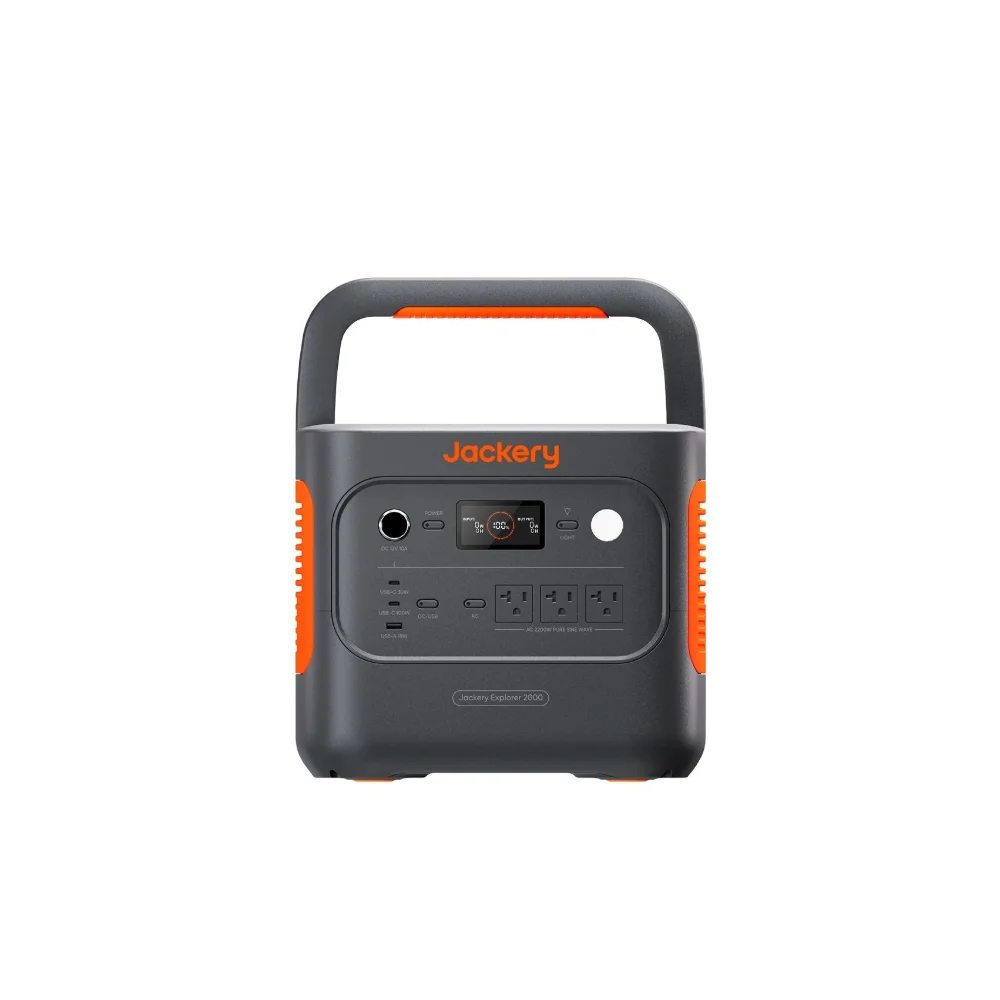

If you’re after the best portable power station under $300, you’re not shopping for a whole-home backup system with an expansion battery the size of a mini-fridge. You want something that keeps a phone, a laptop, and maybe a small fan running without a mortgage payment on it. The good news for 2026: prices in this category have genuinely improved, and the sub-$300 tier now includes real LiFePO4 batteries instead of the corner-cutting lithium-ion cells that used to dominate this price range.
This article may include affiliate links – if you buy through them we may earn a small commission at no extra cost to you, but our recommendations are based on our own independent research.
One sub-$300 pick worth a look: the Jackery Explorer 300 Plus Portable Power Station (288Wh, 300W, LiFePO4). Check current price on Jackery →
Best Portable Power Station Under $300: What You Actually Get Right Now
The sweet spot in this budget tier lands somewhere in the 250-300Wh class with LiFePO4 chemistry, a few hundred watts of continuous output, and basic solar input support. Entry-level units from brands like EcoFlow and Anker’s smaller SOLIX line have been priced within this tier — check current listings for exact numbers, since this segment discounts often — and both represent a meaningful step up from the lithium-ion budget units that were common just a couple of years ago.
What that actually gets you in practice: multiple full phone charges, a laptop charged several times over, a CPAP machine running through a night, or a mini-fan and some LED lighting during a short outage. It will not run a full-size fridge or anything with a serious motor for long — that’s simply not what this tier is built for, and any brand claiming otherwise at this price point deserves a skeptical eye.
What to Prioritize at This Price Point
- LiFePO4 over lithium-ion, no exceptions. At this budget tier a few years ago you had to compromise on chemistry to hit the price. That’s no longer true in 2026 — don’t settle for an older lithium-ion unit just because it’s marginally cheaper.
- Real port count over flashy extras. A built-in flashlight or bluetooth speaker is nice; a second USB-C port you’ll actually use every day is more valuable.
- Weight and size. Budget units are meant to be grabbed and carried — most in this tier weigh in the single digits of pounds, which matters if it’s living in a backpack or a car trunk rather than a garage shelf.
Where to Watch for Sales
Here’s a pattern worth knowing about this category: the sub-$300 tier moves fast on discount events. Major sale periods regularly bring meaningful discounts off list price on units from EcoFlow, Anker, and Bluetti’s entry-level line — exactly how much varies by event and retailer, so it’s worth checking current pricing directly rather than assuming a fixed percentage, but patient shoppers who wait for a sale window tend to do noticeably better than those who buy the moment they decide they need one.
When You Should Skip This Tier Entirely
If your real goal is home backup power for a fridge, some lighting circuits, and a router during an outage that could last more than a few hours, be honest with yourself — a 250-300Wh unit will not get you there, and stretching a budget unit past its intended use case is the fastest way to end up disappointed with the whole category. This tier is built for personal electronics, camping essentials, and light emergency use, not whole-home backup.
My Recommendation
If your use case genuinely fits — camping trips, keeping devices alive during short outages, a backup for a CPAP machine — a sub-$300 LiFePO4 unit is honestly one of the better values in this whole product category right now. Just go in with realistic expectations about what a few hundred watt-hours can and can’t do, and you’ll be a happy owner rather than a disappointed one three months in.
How the Main Sub-$300 Options Compare
- EcoFlow River 3: roughly 245Wh, around 300W continuous. The lightest and most affordable of the bunch, best suited for phones, laptops, and small device charging rather than anything with a motor.
- Anker SOLIX C300 DC: similar capacity class, with Anker’s typically strong app and port layout. A close competitor to the River 3 on paper, often coming down to whichever brand’s ecosystem you already own accessories for.
- Bluetti entry-level units: generally comparable capacity, often with a slightly longer warranty than direct competitors, which is worth weighing if you value the extra peace of mind over a marginal price difference.
Honestly, at this tier the differences between brands are smaller than the marketing suggests. All three routinely deliver similar real-world performance, and I’d let price, current sale, and port layout — not brand loyalty — decide between them.
What “Budget” Doesn’t Mean Anymore
A few years ago, budget power stations meant real compromises: older lithium-ion chemistry, flimsy plastic housings, and safety certifications that were vague or entirely absent. That’s genuinely changed. The sub-$300 tier in 2026 shares the same LiFePO4 chemistry, similar safety certification standards, and comparable build quality to units costing several times as much — the difference is almost entirely in capacity and output, not in fundamental quality or safety. That’s a meaningful shift, and it’s why I no longer hesitate to recommend this tier to someone with genuinely modest power needs.
Frequently Asked Questions
Is a budget power station going to last as long as a premium one?
If both use LiFePO4 chemistry with similar cycle ratings, yes — cycle life is primarily a function of chemistry, not price tier. The pricier unit typically buys you more capacity and output, not necessarily a longer-lasting battery.
Can I add solar panels to a budget unit later?
Most budget units do accept solar input, but usually at a lower maximum wattage than mid-range or flagship models. Check the specific solar input cap before assuming you can pair it with a larger panel down the road.
What’s the biggest mistake people make buying in this price range?
Expecting it to handle a job it was never built for — usually a full-size fridge or a space heater. These units excel at their intended job (devices, lights, small electronics) and disappoint fast when pushed well beyond it.
What I’d Actually Check Before Clicking Buy
Beyond chemistry and capacity, a few smaller details separate a genuinely good sub-$300 unit from a mediocre one wearing the same spec sheet. Check the return policy specifically for opened electronics — some retailers restrict returns on used battery products more tightly than other categories. Look at how many total charge/discharge ports the unit has versus how many you’ll realistically use at once during an outage; running out of outlets mid-emergency is a small but genuinely annoying problem. And check whether the unit includes a basic display showing remaining charge percentage rather than just a vague LED indicator — a proper numeric readout makes a real difference in planning your usage during an actual outage, rather than guessing how much runtime you have left.
Related Reading
- How Long Does a Portable Power Station Actually Last?
- Portable Power Stations vs Traditional Generators: Which Is Right for You?
Looking for a solid sub-$300 option? The Jackery Explorer 300 Plus Portable Power Station (288Wh, 300W, LiFePO4) is worth considering. Check current price on Jackery →