
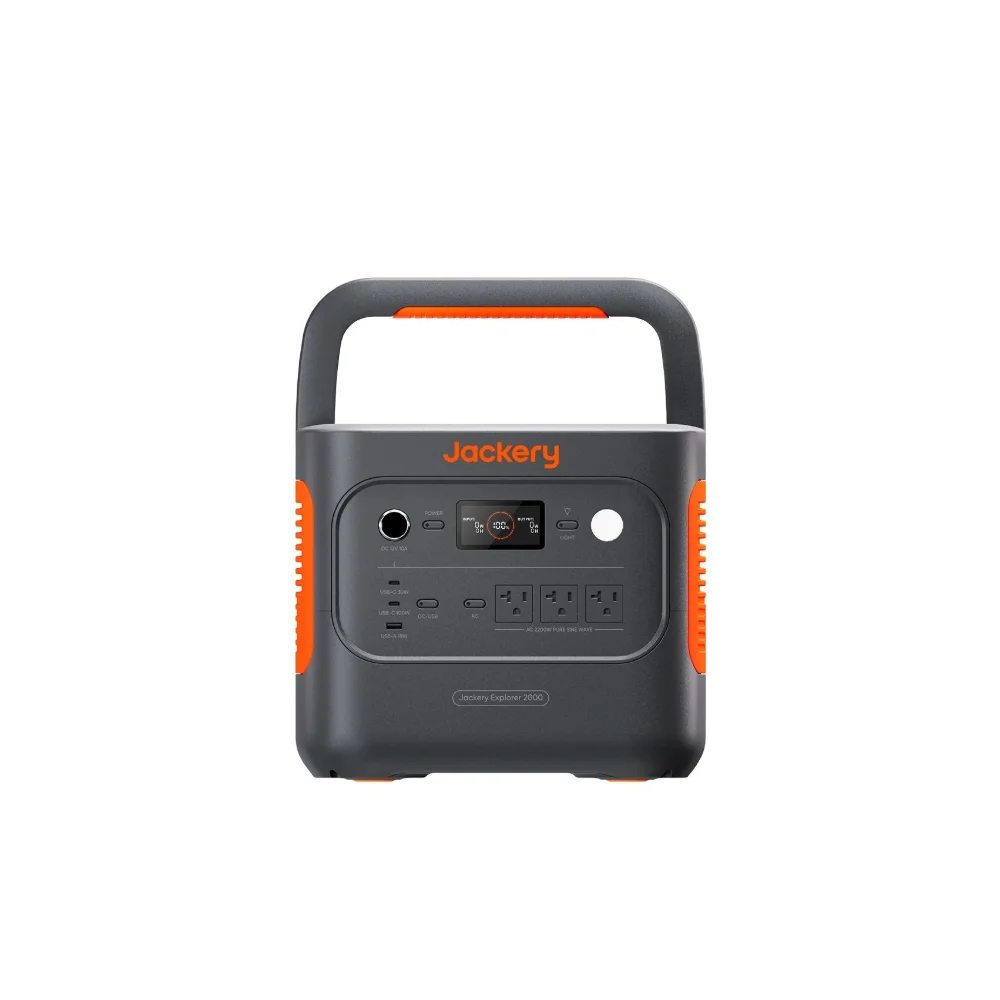

Portable power station vs generator: which one actually wins? During a storm-related outage, it’s a familiar pattern: gas generators sputtering to life up and down the street, while battery-based power stations switch over silently. That contrast is basically the whole argument for portable power stations — but it’s not the whole story, and gas generators still win in a few situations worth being upfront about.
This article may include affiliate links — if you buy through them we may earn a small commission at no extra cost to you, but our recommendations are based on our own independent research.
Noise: Not Even Close
Gas generators are typically loud — often loud enough to interfere with nearby conversation — which is a genuine problem if you’re trying to sleep, camp near other people, or just not annoy your neighbors during an outage. Portable power stations run much quieter, closer to a soft whir from a cooling fan than an engine. Plenty of campers run one inside a tent overnight without a second thought — something you’d never do with a gas generator.
Fumes and Ventilation
This is the one that actually matters for safety. Gas generators produce carbon monoxide, nitrogen oxides, and other combustion byproducts, and they need to run outdoors with real ventilation — carbon monoxide poisoning from generators run too close to a home is a serious, well-known risk, particularly during hurricane season. Portable power stations produce zero emissions at the point of use. You can run one indoors, in a tent, on an apartment balcony, or in a national park where combustion engines aren’t allowed at all.
Maintenance: One of These Requires None
Gas generators need oil changes, fresh fuel (stale gas is a real problem if one sits unused for months), spark plug care, and periodic test runs to make sure they’ll actually start when you need them. A portable power station needs none of that. Mine sat untouched for the better part of a year and worked exactly as expected the moment I needed it — no carburetor to clean, no fuel stabilizer to remember.
Where Gas Generators Still Win
I’d be doing you a disservice if I pretended power stations win everywhere. Raw power output is the big one: a mid-range gas generator can put out several thousand watts continuously and run high-draw appliances — well pumps, central AC, power tools — that would overwhelm most portable power stations. Runtime is the second real advantage. As long as you have fuel, a gas generator keeps running, where a power station is capped by its battery capacity until you recharge it, and recharging via solar takes hours, not minutes. Cost per watt tends to favor gas too, especially at higher wattages, since generators are often cheaper for the same power output. And don’t discount simple availability — you can buy a gas generator at almost any hardware store the day before a forecasted storm, while a good power station often needs to be ordered ahead of time.
Portable Power Station vs Generator: Which Should You Buy?
In my experience, the decision comes down to what kind of outage you’re preparing for. For short-to-medium outages, a few hours to a couple of days, charging small electronics, running a fridge intermittently, or camping and RV use, a portable power station covers the need with none of the downsides: no fumes, no noise complaints, no fuel to store. For extended multi-day outages where you need to run serious loads like a well pump or central AC continuously, a gas or dual-fuel generator is still the more practical, if noisier and smellier, tool for the job.
A lot of people I’ve talked to end up with both: a power station for the everyday, silent, indoor-safe backup, and a generator kept in reserve for the rare, serious outage. If you can only own one, though, and your outages tend to be measured in hours rather than weeks, I’d point you toward the power station every time.
Side-by-Side: More Than Just Noise and Fumes
The noise and safety differences get most of the attention, but a few other factors quietly shape which one actually fits your life better:
- Learning curve. A power station is essentially plug-and-play — turn it on, plug in, done. A gas generator involves fuel mixing (for some models), choke settings, pull-starting, and periodic maintenance that isn’t intuitive if you’ve never owned one.
- Resale and depreciation. Gas generators hold value reasonably well secondhand if maintained. Power stations, like most battery electronics, depreciate faster as newer, more efficient models release each year — worth knowing if you’re thinking of this as an “investment” rather than a tool you’ll use.
- Weather tolerance. Gas generators are generally more tolerant of extreme cold for starting reliably. Very cold temperatures can temporarily reduce a lithium battery’s usable capacity and charging speed, something to plan around if you live somewhere with harsh winters.
- Setup time in an actual emergency. A power station is instant — flip it on. A generator needs to be wheeled outside, positioned away from windows and doors for ventilation, fueled, and started, which takes real minutes you may not have to spare if the power just went out during a storm.
The Hybrid Approach, In Practice
For people who’ve lived through multiple serious outages, not just a few hours here and there, a setup that keeps coming up is a smaller power station for day-to-day, silent, indoor-safe backup, paired with a generator kept in storage (with stabilized fuel) for the rare event that stretches past a couple of days. That way you’re not running a generator all night for a phone charger and a router, but you still have real firepower in reserve if a storm knocks out power for a week. It’s not a cheap combination, but for anyone who’s been burned by an extended outage before, it’s a setup worth considering over picking just one.
Frequently Asked Questions
Can a portable power station run a whole house like a generator can?
Only the largest home-backup-class units with split-phase output and a transfer switch come close, and even then usually for select circuits rather than the entire house. For true whole-home coverage during extended outages, a standby or portable gas generator sized to your home’s panel is still the more realistic tool.
Do I need an electrician to use a power station?
No — for basic use, plugging devices directly into the unit’s outlets, no electrician is needed. If you want it hardwired into your home’s panel for automatic backup of specific circuits, that does require a licensed electrician to install a transfer switch safely.
Which one is cheaper over 10 years of ownership?
It depends heavily on how often you’d actually use it. A generator’s ongoing fuel and maintenance costs add up with frequent use, while a power station’s main cost is upfront, with no recurring fuel expense. For occasional, short outages, the power station is usually cheaper long-term; for frequent or extended use, fuel costs on a generator can be less than you’d expect relative to a large power station’s upfront price.
Related Reading
- Best Budget Portable Power Stations Under $300 in 2026
- How Long Does a Portable Power Station Actually Last?