

This article may include affiliate links — if you buy through them we may earn a small commission at no extra cost to you, but our recommendations here are based on our own independent research, not on who pays the best commission. Any dollar figures below are illustrative examples only, approximate as of mid-2026 — check current listings before assuming a price.
A solar generator kit vs standalone panel purchase is the exact question I get some version of in my inbox almost every week: “Should I just buy the solar generator kit, or piece it together myself?” It’s a fair question, and the honest answer is — it depends on what you’re actually trying to do with it. Let’s actually break down what you’re paying for in each case.
Solar Generator Kit vs Standalone Panel: What’s Actually in a “Kit”
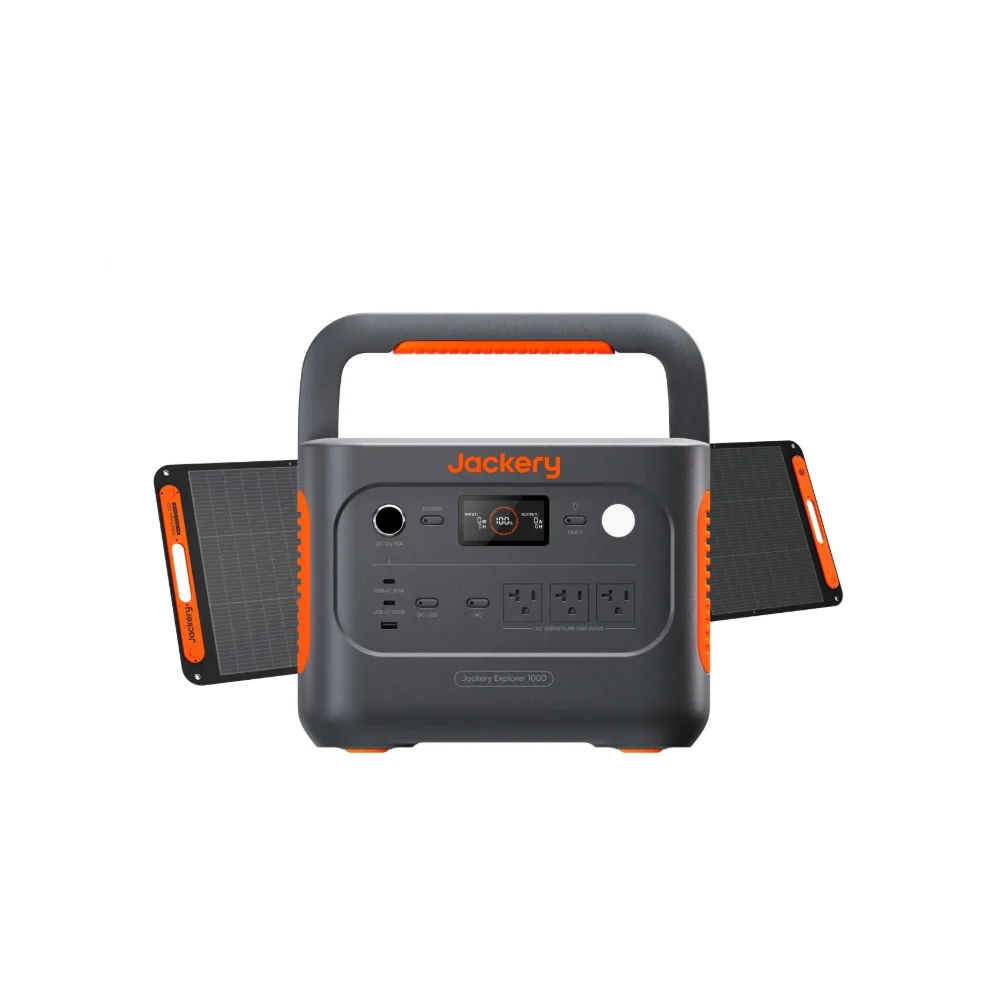
When a brand sells you a “kit” or “bundle,” you’re getting two things bolted together: the power station itself (battery, inverter, charge controller, all the output ports) and one or more folding solar panels sized specifically to charge that unit efficiently. The panels aren’t random — they’re voltage- and wattage-matched to the station’s solar input, which is the part most people underestimate.
Buying them together gets you guaranteed compatibility (no guessing about connector types or input voltage ranges) and, in most cases I’ve looked at, it tends to work out cheaper than buying the pieces separately. Brands bundle kits at a discount because it moves more units — that part actually works in your favor as a buyer, which isn’t something I say about marketing very often.
Kit vs Standalone Panel: The Real Trade-Off
Here’s where it gets more interesting. A standalone solar panel — one you buy separately from a third party or a different line from the same brand — gives you flexibility the bundled kit doesn’t. Maybe you already own a power station and just need more solar input. Maybe you want a bigger panel than what ships in the base kit because you’re camping somewhere shadier than a marketing photo would ever show.
My take: if this is your first power station, buy the kit. You remove an entire category of things that can go wrong — mismatched connectors, wrong voltage window, panels that technically “work” but charge at half the rate they should. If you already own a station and are expanding your setup, standalone panels or an official expansion panel from the same brand make more sense, since you already know what you’re working with.
Expansion Batteries Are a Different Animal Entirely
Don’t confuse an expansion battery with a second solar panel — they solve completely different problems. An expansion battery is an add-on storage module that plugs into a compatible base station and increases total energy storage. It doesn’t have its own inverter or a full set of output ports, which is exactly why it tends to cost less per watt-hour than buying a whole second unit.
The catch — and this genuinely surprised me when I first looked into it seriously — is that an expansion battery is useless on its own. It has to stay tethered to its parent station. So if you’re the kind of person who wants to leave one unit charging at home while taking a second one camping, an expansion battery won’t do that for you. You’d need two full stations for that kind of flexibility.
What I’d Actually Add to a Base Kit
- A longer solar cable if you plan to park the panel in full sun while the station sits in shade — the stock cables that ship with most kits are shorter than you’d expect.
- A second folding panel once you know your actual daily usage — most people underestimate how much sun exposure changes between a clear ridge line and a tree-covered campsite.
- A 12V car charging cable as a backup charging method, especially for road trips where solar isn’t reliable day to day.
Our Recommendation
If you’re buying your first solar generator, start with the manufacturer’s kit rather than assembling one from parts. It’s rarely more expensive, and it removes the compatibility guesswork that trips up a lot of first-time buyers. Once you understand your actual power needs from real use — not the spec sheet — that’s the point to consider expansion batteries or a bigger standalone panel, not before.
A Real Cost Comparison: Kit vs Piecing It Together
Let’s put this in concrete terms instead of just saying “kits are usually cheaper.” Take a mid-size power station in the 1,000-1,200Wh class. Bought as a kit with a matching 100W folding panel, you’re typically looking at a several-hundred-dollar bundle price that varies by brand and current promotions — check the manufacturer’s page for today’s number rather than trusting any figure printed here. Buy the station alone, then shop for a compatible 100W panel separately from a third party, and the total often lands within shouting distance of the kit price anyway — except now you’ve spent time researching connector compatibility, voltage ranges, and reviews to confirm the panel actually charges the station at its rated speed rather than throttling. The savings, when they exist at all, rarely justify the research time and compatibility risk for a first station.
Where standalone panels genuinely win on price is at larger sizes — a bigger panel bought separately from a specialist solar retailer is often meaningfully cheaper per watt than the equivalent size bundled into a premium kit, since bundled kits price in some convenience margin at the high end.
Why Your Panel Rarely Hits Its Rated Wattage
A “100W panel” is rated under lab conditions — full sun, perfect panel angle, cool temperature. In the real world, expect somewhere well below that rated number on a good clear day even with the panel angled correctly toward the sun. Clouds, a panel angle that’s noticeably off, dust on the surface, or heat (panels lose efficiency as they get hot) all eat into that number further. This is exactly why I tell people to slightly oversize their solar input rather than buy exactly to spec — an oversized panel that’s actually underperforming on an average day still beats a smaller panel that was already assumed to hit its full rated number.
FAQ
Can I use a third-party solar panel with any power station?
Only if the voltage and connector type match the station’s solar input spec — check this before buying, it’s the single most common compatibility mistake we see.
Are expansion batteries worth it over a second full unit?
Yes, if you only need more capacity at a fixed location. No, if you need portability and flexibility across two locations at once.
Do solar generator kits come with a warranty on the whole bundle, or just the station?
This varies by brand, but most reputable manufacturers warranty the panel and station together as a single purchase, which is another practical point in favor of buying the kit rather than mixing brands — a third-party panel paired with your station generally won’t be covered under the station manufacturer’s warranty if something goes wrong with the charging process.
How many solar panels can I connect to one power station at once?
Most stations support multiple panels in parallel or series depending on the model’s max solar input wattage — check your station’s specific input limit before adding panels, since exceeding it won’t add extra charging speed and can trip the unit’s protection circuit.
Related Reading
- Jackery vs EcoFlow vs Anker SOLIX: 2026 Solar Generator Comparison
- Best Solar Generators for Home Backup in 2026