
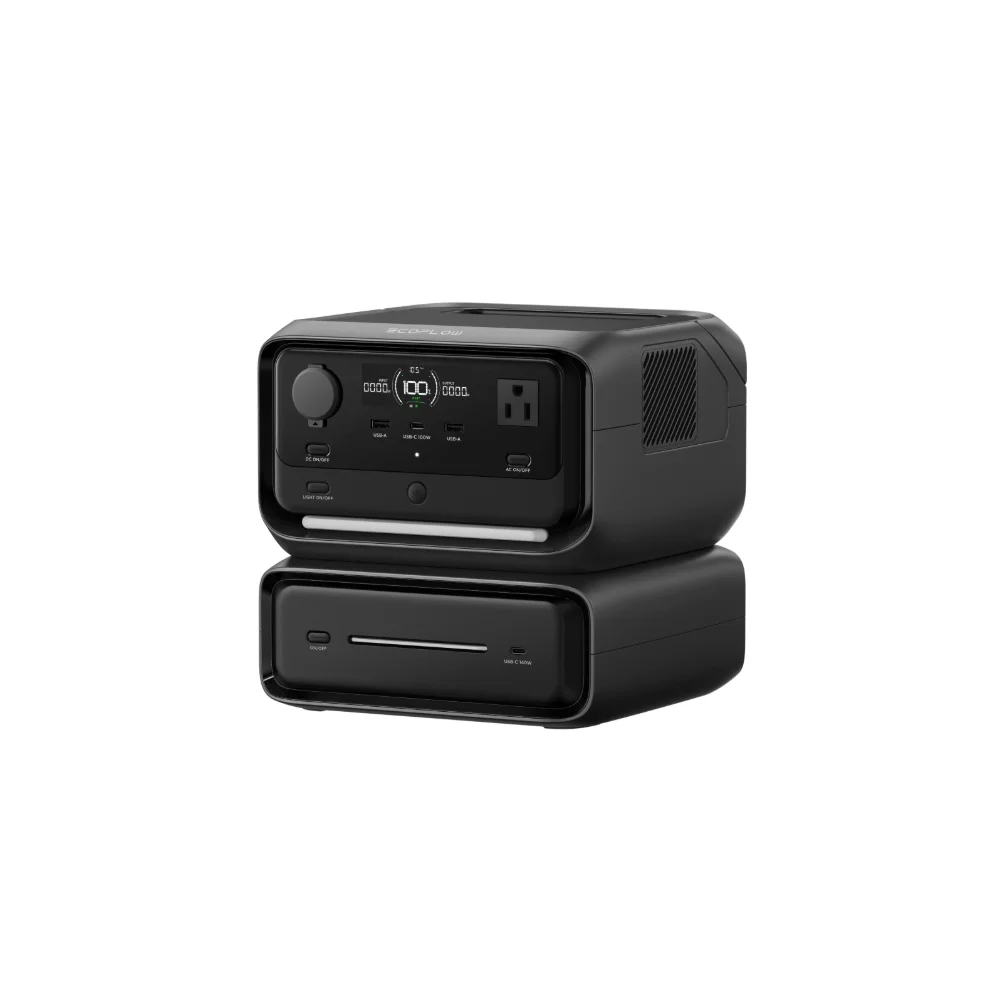

Finding the best power station for tent camping means ignoring most “camping power” content, honestly. Tent camping and van life get lumped into the same content constantly, and that annoys me a little because the needs are pretty different. If you’re carrying gear to a tent site — not driving a battery bank around in a vehicle — weight, packed size, and simplicity matter more than raw capacity. Here’s what actually fits that use case in 2026.
This article may include affiliate links — if you buy through them we may earn a small commission at no extra cost to you, but our recommendations are based on our own independent research.
Best Power Station for Tent Camping: What It Actually Demands
Most tent campers are running phones, headlamps or lanterns, maybe a camera, occasionally a small fan or a 12V cooler. That’s a modest daily draw — usually well under 500Wh a day for a couple of people. You don’t need a 2,000Wh unit for this; you need something that packs down small enough to fit in a car trunk alongside a tent, sleeping bags, and a cooler without eating all your space.
Real Numbers: What Your Gear Actually Draws
It helps to see the actual numbers rather than a vague “phones and lights” estimate — these are ballpark figures, since actual draw varies by device. A phone charge is roughly 10-20Wh per full cycle. A headlamp or LED lantern running for an evening might use 5-15Wh depending on brightness and hours. A mirrorless camera battery is around 10-15Wh per charge, and a small USB fan running for a few hours can land around 20-40Wh. Add it up for two people over a weekend and you’re realistically in the 150-300Wh range for electronics alone — which is exactly why a 300-500Wh unit has so much margin built in for this crowd, even before you add a cooler.
Solar Recharge Matters More Here Than People Expect
Unlike van life where you might have a car alternator as backup, tent camping usually means solar or nothing until you’re back near an outlet. A modestly sized folding panel paired with a 300-500Wh station gives a realistic same-day top-up in good sun, which is the difference between a relaxed multi-day trip and constantly watching your battery percentage.
Packing It Right: Where This Actually Fits
A 300-500Wh unit typically weighs somewhere in the single-digit-to-low-teens pound range and is roughly the size of a large shoebox — small enough to slot into a cooler bag pocket or a corner of the trunk without displacing your tent or sleeping gear. My take: if you’re also carrying the unit any real distance from the car to the site, that weight starts to matter, and it’s worth checking the specific model’s dimensions against your actual gear layout before you buy, not just its Wh rating. A folding solar panel typically packs flat and slides in alongside a tent bag without much trouble, which is one more reason I lean toward the smaller end of the capacity range for straightforward tent trips.
What I’d Skip for This Use Case
Skip the largest capacity tier unless you genuinely need it — it’s extra weight in a pack or trunk that’s already full, and extra recharge time on a panel that’s realistically sized for a smaller battery anyway. I’d also deprioritize app connectivity features here; at a tent site, you’re mostly checking the physical display, not opening an app.
Battery Cycle Life and Long-Term Value
A LiFePO4 unit’s rated cycle life (commonly cited in the low thousands of full charge cycles to 80% capacity, though this varies by brand and model) matters more than the sticker price once you look at cost per use. A unit used for a dozen weekend trips a year will likely outlast a decade of regular camping before capacity noticeably degrades, which is a meaningfully better value proposition than an older lithium-ion unit rated for far fewer cycles, even if that older unit costs less upfront. My take: for anyone who camps regularly rather than once a year, paying a bit more for genuine LiFePO4 chemistry is one of the easiest “future you will thank present you” decisions in this whole category.
Common Mistakes First-Time Buyers Make
The pattern I see most often is buying based on a single spec (usually Wh capacity) without checking that the actual output ports and wattage rating match the devices you’ll actually plug in. A smaller unit with a weak AC inverter output won’t run a device that needs more instantaneous wattage than it can deliver, regardless of how much total capacity it holds. Second most common mistake: assuming a folding solar panel’s rated wattage is what you’ll actually get in the field — real-world output tends to fall meaningfully short of the rated figure once you account for less-than-perfect sun angle, some cloud cover, and panel efficiency loss over time, so budget your expectations accordingly rather than planning around the best-case number on the box.
Our Recommendation
For most tent campers, a 300-500Wh LiFePO4 unit paired with a modestly sized folding panel hits the right balance of capacity, weight, and recharge speed. Size up toward the 800Wh range only if a 12V cooler or a bigger group is genuinely part of your trip, not just as a “just in case” buffer.
FAQ
Is 300Wh enough for a weekend of tent camping?
For phones, lighting, and light electronics for one to two people, yes — add capacity mainly if you’re running a fridge or cooler.
Do I need a bigger panel for tent camping than for van life?
Not necessarily bigger, just appropriately matched — since tent camping usually has no backup charging method, matching your panel to your battery’s realistic daily recharge need matters more.
Can I run a small coffee maker off a tent-camping power station?
Most 300-500Wh units can technically handle a compact travel coffee maker’s wattage for a single brew, but it’ll take a meaningful bite out of your daily capacity — I’d treat it as an occasional treat rather than a daily habit unless you’ve sized up specifically for it.
How do I know if I need a bigger unit for a group trip?
Multiply your per-person electronics estimate (roughly 150Wh for a weekend) by the group size, then add capacity for any shared gear like a cooler or lantern setup — if that total comfortably exceeds 500Wh, it’s worth stepping up a tier rather than running two smaller units.
Related Reading
- How to Power a Mini Fridge While Camping Off-Grid
- How Cold Weather Affects Your Power Station’s Battery