

If you want to power a mini fridge camping off-grid without either running out of juice or hauling way more battery than you need, day two is where most trips fall apart — a warm cooler by day two is one of the fastest ways to sour an off-grid trip, so let’s get specific.
This article may include affiliate links — if you buy through them we may earn a small commission at no extra cost to you, but our recommendations are based on our own independent research.
What a Camping Fridge Actually Draws
Most 12V compressor camping fridges draw around 40-60W while actively cooling, but they cycle on and off rather than running continuously — the compressor kicks on to bring the temperature down, then rests. Average draw over a full day typically lands around 300-500Wh for a well-insulated unit in cool, stable conditions — that climbs toward 1,200-1,600Wh in hot weather or if the lid gets opened often, which is the higher-draw range the runtime estimate below assumes.
A Real Worked Example
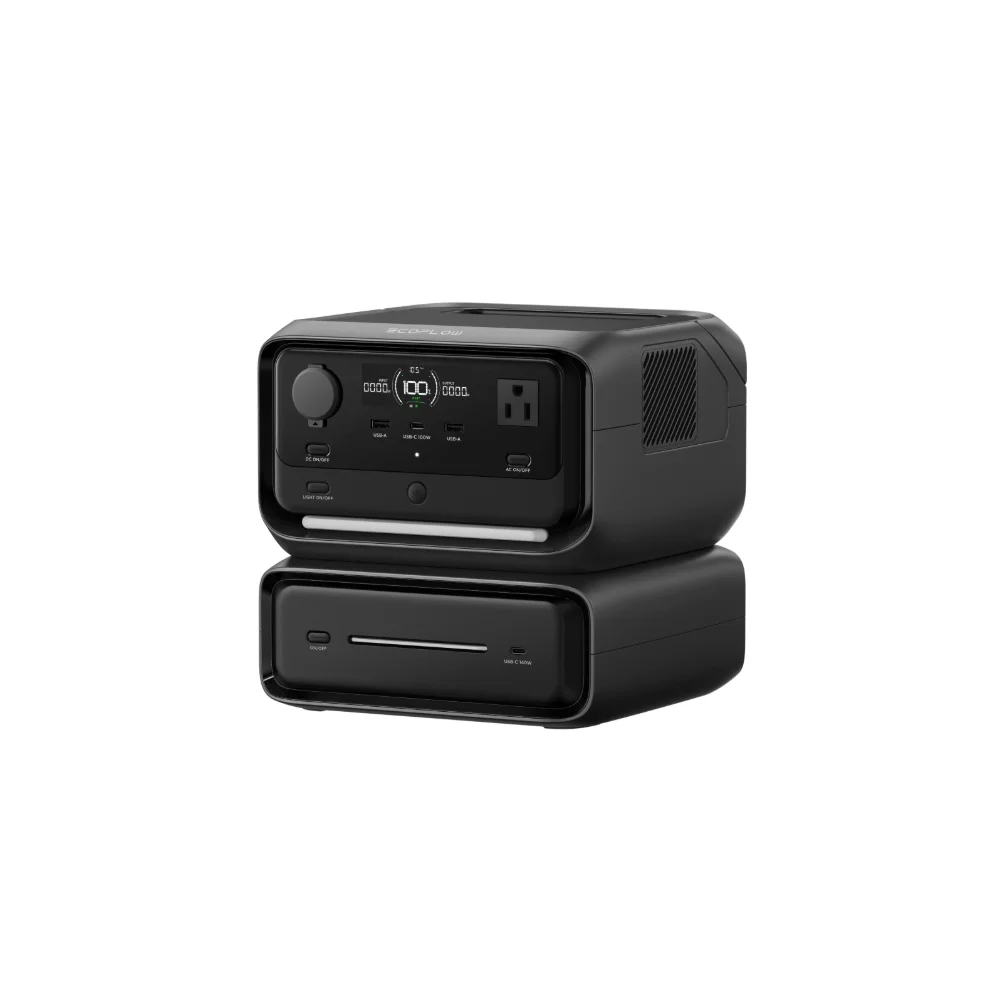
As a working example, a power station in the 1,000Wh class can realistically hold a typical 12V camping fridge for somewhere in the neighborhood of 15-18 hours of steady cycling before needing a recharge — that’s a rough real-world estimate, not a marketing best-case number, and it’ll shift depending on your specific fridge and ambient heat. In practice, with reasonable lid discipline and moderate temperatures, you can often stretch that closer to a full day.
My take: this is exactly why I don’t recommend the smallest capacity tier if a fridge is part of your plan. A 300Wh unit technically “can” run a fridge, but you’ll be recharging constantly, which gets old fast on a multi-day trip.
Fridge vs Cooler: Is a Powered Fridge Even Worth It?
A good ice-and-insulation cooler needs zero battery and can hold temperature for 3-5 days with quality ice, which is a real alternative worth considering honestly. Where a powered fridge earns its keep is longer trips (a week or more, where ice restocking isn’t practical), consistent precise temperature for things like medication or baby formula, and simply not dealing with soggy, melted-ice food bags. If your trip is a weekend and you’re near a store, I’d genuinely consider skipping the powered fridge — it’s one less thing to manage and one less draw on your battery budget.
Keeping It Running Without Constant Recharging
- Pre-chill the fridge at home before you leave — starting cold means less initial compressor work.
- Minimize door openings — every open lets cold air out and makes the compressor work harder to recover.
- Park it in shade — ambient heat directly increases compressor run-time.
- Pair with solar sized to your daily draw, not just your battery’s total capacity, so you’re topping off daily rather than depleting over the trip.
Sizing Your Solar Panel to Match
If your fridge uses roughly 400Wh a day, a 100-200W panel getting 4-5 hours of decent sun can realistically keep pace with that draw, meaning you’re not slowly draining toward empty over a multi-day trip. This is the same math we cover in our guide on how many solar panels you need — apply it to your fridge’s daily draw specifically, not your station’s full capacity.
What Happens If You Run Out of Power Mid-Trip
Have a backup plan before you need one. If your station hits critical low with the fridge still running, options include: driving to a location with grid power for a fast recharge if you’re vehicle-based, packing a few reusable ice packs as an emergency backup to buy time, or simply accepting a shorter fridge runway and eating perishables first. My take: pack a couple of frozen gel packs in the fridge itself as insurance — they double as extra thermal mass that reduces compressor cycling and give you a fallback if the battery does run dry before you can recharge.
Noise Levels: What to Expect
A 12V compressor fridge isn’t silent — the compressor produces a low hum when actively cooling, typically in a similar range to a quiet household refrigerator, though it varies by brand and model. For most campers this is a non-issue, easily masked by ambient outdoor sound, but if you’re pitching a tent right next to where the fridge sits, it’s worth knowing it will cycle on periodically through the night rather than running perfectly silent. Placing it a few feet from your sleeping area, if your site layout allows it, is a simple fix that solves this for most people.
Choosing Fridge Size for Your Group
Compact 12V fridges typically range from around 15 to 50+ liters. A 20-25L unit comfortably handles a couple’s weekend groceries and drinks, while groups of four or more heading out for a week generally want to look at 40L or larger to avoid constant reorganizing and running out of space. My take: it’s tempting to size up “to be safe,” but a bigger fridge means a bigger power draw and more weight to load and unload — match it honestly to your typical trip length and group size rather than your largest hypothetical trip.
Our Recommendation
For a fridge-inclusive camping trip, don’t go below 500-1,000Wh of station capacity, and pair it with a 100-200W panel sized to your fridge’s daily draw specifically. Pre-chill before you leave, keep the lid discipline tight, and park it in shade — small habits that meaningfully extend how long you go between recharges.
Where to Actually Place the Fridge at Camp
Direct sun on a 12V fridge’s compressor housing makes it work harder and draw more power than the same fridge in shade, so a few minutes spent finding a shaded spot — under an awning, in a vehicle’s shadow, or beneath a tree — genuinely reduces your power draw over a full day. Keeping a couple inches of airflow space around the unit rather than wedging it tightly into a packed cargo area also helps it run more efficiently, since compressor-based fridges need to vent heat away from their radiator to work properly.
My take: shade and airflow are free, and they measurably extend your runway between recharges. It’s an easy habit to build into your camp setup routine and costs nothing beyond a moment’s thought about where you park or pitch camp.
Pre-Chilling Before You Leave
Running your mini fridge on household power for a few hours before you leave, so it starts the trip already cold rather than working to pull down temperature from room-warm, meaningfully reduces the initial power draw once you’re on battery power. This is an easy, free step that’s simple to forget in the rush of packing.
My take: pre-chilling both the fridge and its contents before departure is one of the easiest ways to stretch your power station’s runway on day one, when your battery is at its fullest and you want to make the most of it.
FAQ
How long will a power station run a camping fridge?
A 1,000Wh-class station typically runs a 12V camping fridge for roughly 15-20 hours of realistic cycling use before needing a recharge.
Can solar alone keep a camping fridge running indefinitely?
In good sun with a properly sized panel, yes — you’re essentially replacing what the fridge uses each day rather than depleting the battery over time.
Can I run a fridge and other devices at the same time?
Yes, as long as your station’s continuous output rating covers the combined load — a fridge’s 40-60W plus phone charging and lights is well within range for most units, just keep an eye on total daily Wh usage across everything running.
Is a bigger fridge worth the extra power draw?
Only if you genuinely need the extra capacity for group size or trip length — a larger fridge draws proportionally more, and for most 1-2 person trips a compact unit paired with good ice-pack backup covers the need without pushing you into a bigger, heavier battery setup.
Related Reading
- CPAP Machines While Camping: Best Power Stations for Medical Devices Outdoors
- Best Power Stations for Overlanding and Off-Road Trips