
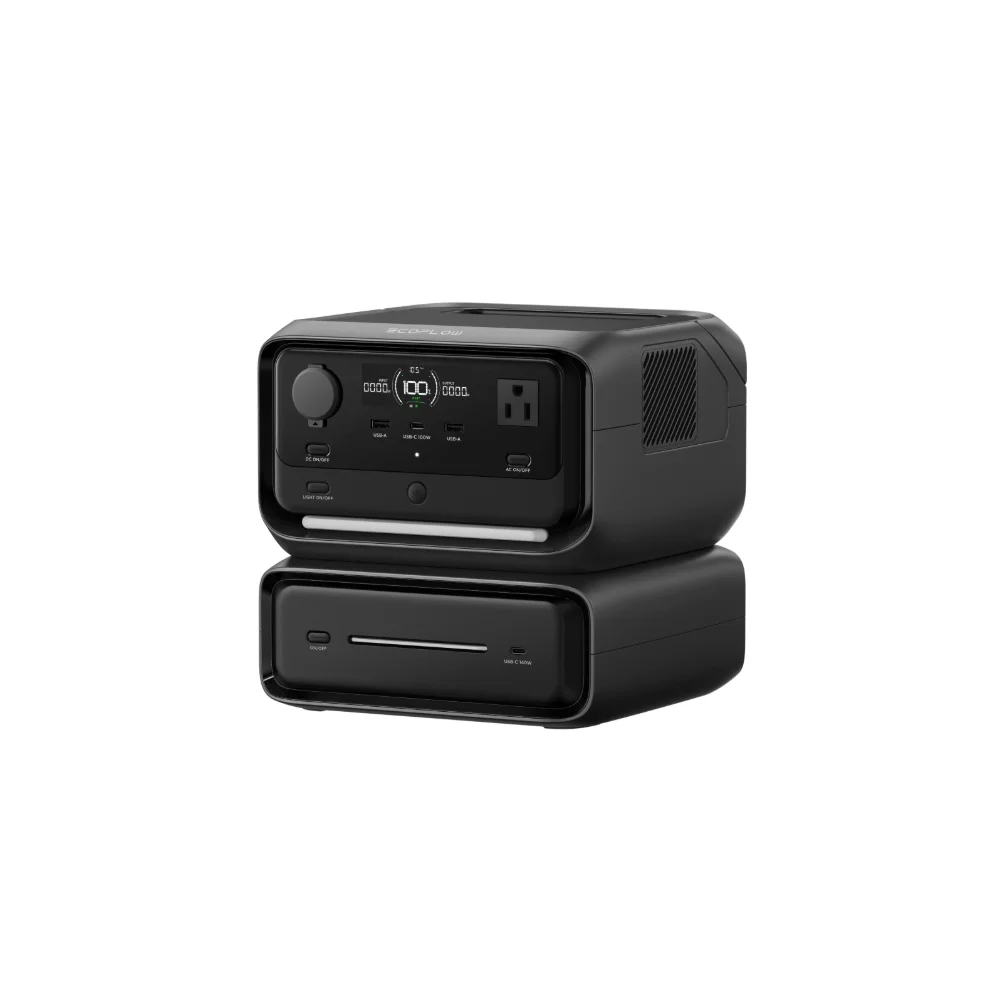

CPAP Machines While Camping: Best Power Stations for Medical Devices Outdoors
This isn’t general medical advice — it’s a power-planning guide, and if you rely on a CPAP machine, please follow your device manufacturer’s instructions and consult your doctor or equipment provider for anything specific to your device or health needs. What I can help with is the power station CPAP camping question almost nobody answers with real numbers, because most camping guides simply don’t address medical devices at all.
This article may include affiliate links — if you buy through them we may earn a small commission at no extra cost to you, but our recommendations are based on our own independent research.
What a CPAP Actually Draws
Power draw varies meaningfully by model and settings, but many CPAP machines use somewhere in the range of 40-100Wh over a typical night, with humidifier settings pushing that toward the higher end since heating water takes real energy. Check your specific device’s power rating (often listed on the unit or in the manual) rather than assuming a number — this varies enough between models that guessing is genuinely risky here.
Understanding Your CPAP’s Power Rating Label
Most CPAP machines have a small label or spec sheet listing voltage (commonly 12V or 24V DC input) and wattage or amperage draw — look for this before you assume a generic figure. If your machine only lists amperage, multiply amps by volts to get watts (for example, a device drawing 2A at 24V is roughly 48W). Humidifier heating elements are usually the single biggest variable, so if your exact model and settings aren’t listed anywhere obvious, contacting your equipment provider for the specific figure is worth the five-minute phone call before a trip.
Sizing for Reliable Overnight Use
My take: for something this important, don’t cut it close. If your CPAP uses roughly 70Wh a night with humidifier settings, I wouldn’t rely on anything under a 300Wh dedicated allocation — leaving meaningful margin for a device that ran a little longer than expected, a colder night pushing more humidifier use, or simply not having perfectly precise numbers for your specific unit.
What About Battery-Only CPAP Travel Units?
Some manufacturers sell dedicated CPAP battery packs sized specifically for their machines, and these are worth considering as either your primary solution or a backup layer. The advantage is a purpose-built fit with no guesswork on compatibility; the downside is they’re typically a single-purpose device that can’t also charge your phone or run camp lighting. My take: a general power station is more versatile for a camping trip overall, but if you camp with your CPAP often, a dedicated CPAP battery as a backup layer — used alongside your main power station rather than instead of it — is a reasonable belt-and-suspenders approach for something this important.
The Backup Plan Actually Matters Here
Unlike charging a phone, a missed night of CPAP use has real consequences for sleep quality and health for people who depend on it. This is the one camping use case where I’d say: don’t rely on a single power source with no backup. Pair your primary power station with either a fully charged backup battery specifically reserved for the CPAP, or make sure your solar recharge is reliably keeping pace rather than hoping it will.
Practical Steps
- Check your specific CPAP model’s actual wattage rating rather than assuming a generic figure
- Reserve capacity specifically for the CPAP rather than treating it as one device among many competing for the same battery
- Test your setup at home for a night before relying on it in the field
- Keep a backup charging method or reserve battery specifically for this device
Traveling by Air With Your CPAP and Battery
If your camping trip involves flying first, know that most airlines classify CPAP machines as medical equipment, generally allowed as an additional carry-on beyond your standard baggage allowance and exempt from typical device restrictions. Portable power stations, however, contain lithium batteries and are subject to watt-hour limits for air travel — many airlines cap carry-on lithium battery capacity around 100Wh without special approval, with some allowing up to 160Wh with airline consent, and prohibiting anything larger in checked or carry-on baggage entirely. My take: check your specific airline’s current lithium battery policy before you fly, since this varies and getting turned away at security with your only power source is a genuinely bad way to start a trip.
Reading Reviews From Other CPAP Campers
Beyond specs, real user reports from other CPAP users who camp regularly are worth seeking out specifically — they’ll mention things spec sheets don’t, like how a unit performs after several consecutive nights without a full recharge, or how humidifier settings affect real-world runtime differently than the manufacturer’s stated numbers suggest. My take: for a device this important, a few real user accounts matching your specific machine model are worth more than general capacity math alone.
Our Recommendation
Check your specific CPAP’s power draw, size your dedicated capacity with real margin (not the bare minimum), and always have a backup plan for this particular device given what’s actually at stake. Test the full setup at home before you’re relying on it away from easy access to power. And again — for anything specific to your device or health situation, your CPAP manufacturer and your doctor are the right resources, not a gear review site.
Building a Complete CPAP Camping Power Kit
Beyond the power station itself, a handful of small additions make the whole setup meaningfully more reliable. A short, high-quality DC cable rated for your CPAP’s actual amperage matters more than people expect — a cheap or undersized cable can cause voltage drop that makes your machine behave unpredictably even when the power station itself reads plenty of charge. I’d also pack a basic multimeter if you’re comfortable using one; being able to check your CPAP’s actual draw in the field, rather than relying on spec-sheet numbers, has saved more than one camping trip I’ve read about in user forums.
A small portable battery bank as a true last-resort backup, separate from both your main power station and any dedicated CPAP battery, rounds out a genuinely resilient setup. My take: this might sound like overkill for charging one medical device, but the cost of a backup battery is trivial compared to the cost of a sleepless, unsafe night away from reliable power. Label your cables and keep the whole kit packed together in one bag so you’re not hunting for the right adapter in the dark at a campsite.
FAQ
How much power station capacity do I need for a CPAP while camping?
Check your specific device’s wattage, then size with real margin — many users find 300Wh or more dedicated to the CPAP gives reliable overnight coverage with humidifier settings on.
Should I test my power setup before a trip?
Yes — test the full setup at home for at least one full night before relying on it in the field, especially for a device this important.
Can I use a DC-to-DC converter instead of an AC inverter for my CPAP?
If your CPAP accepts DC input directly (check the manual), a DC-to-DC connection is often more power-efficient than going through an AC inverter, since it skips a conversion step — worth checking if your power station and CPAP both support it.
What backup options exist if my power station fails overnight?
A dedicated CPAP battery pack as a secondary layer, or in a real pinch, a vehicle’s 12V outlet if you’re car camping — this is exactly why testing your full setup at home in advance matters, so you’re not discovering a gap in the field.
Related Reading
- How to Power a Mini Fridge While Camping Off-Grid
- Best Portable Power Stations for Tent Camping in 2026