

Can a Power Station Run Your Whole House? The Real Math
“Can a power station run my whole house?” gets asked constantly, and marketing copy tends to answer with an enthusiastic “yes!” that skips the actual math. Let’s do the math properly, because the honest answer depends heavily on what “whole house” means to you — and for most homes running everything simultaneously, the answer is genuinely no, not without a much bigger and more expensive setup than most people expect.
This article may include affiliate links — if you buy through them we may earn a small commission at no extra cost to you, but our recommendations are based on our own independent research.
What “Everything at Once” Actually Adds Up To
Central AC alone can draw 3,000-5,000W running, well beyond most portable power stations’ continuous output — even before you add a fridge, water heater, electric range, or other major appliances. Add those up and you’re easily past 10,000W of potential simultaneous demand in an average home. On top of that, your power station needs to cover the continuous total plus enough peak capacity to absorb the startup surge from whichever motor-based appliance (fridge, AC, well pump) has the largest one, on top of everything else already running. Running this exercise honestly with your own specific appliances is far more useful than any generic “whole house” estimate.
Where the Math Actually Works
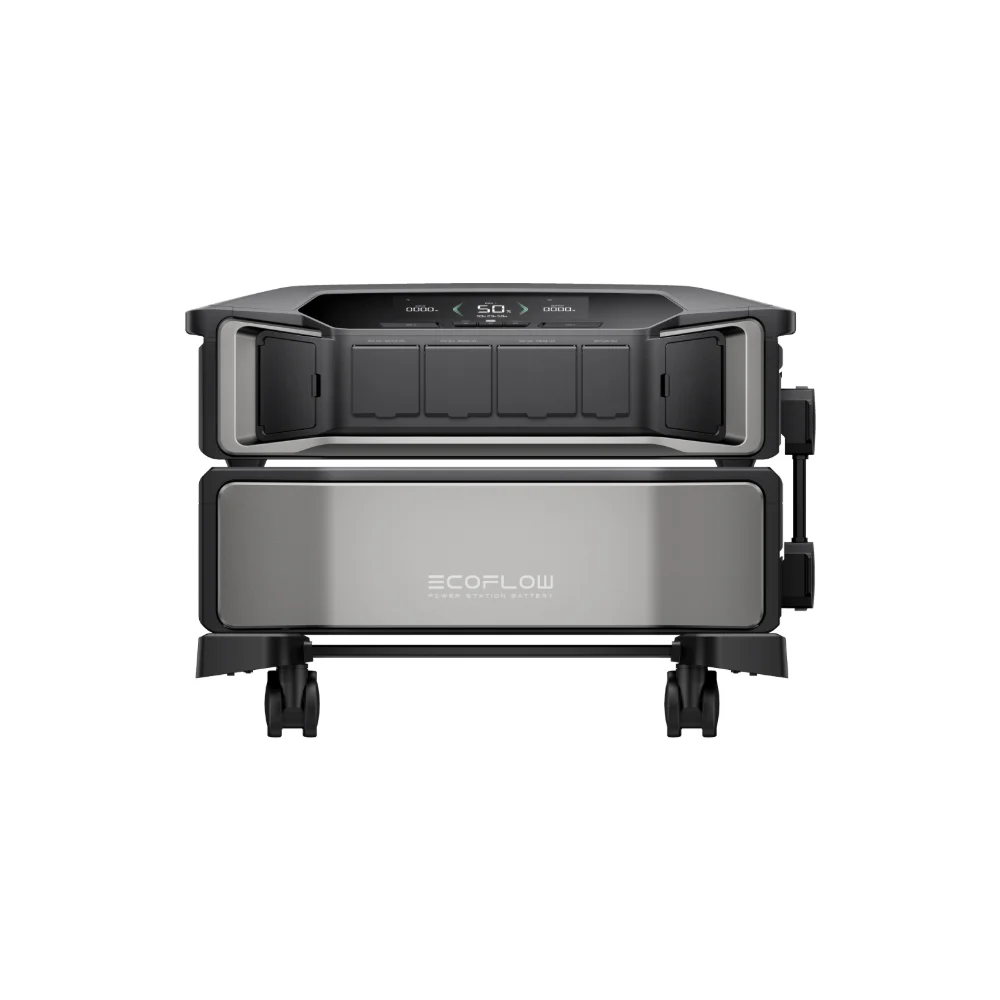
My take: nobody actually needs everything running simultaneously during an outage. A realistic “whole house” backup means sequencing — fridge and lights now, water heater later, not all of it at the exact same moment. Large current-generation units (4,000W continuous output, 4,000Wh+ capacity, expandable) can genuinely cover a realistic sequenced household load — just not a simultaneous everything-on scenario.
A Worked Example
Take a fridge (150W running), a handful of LED lights (50W total), a WiFi router (15W), and phone charging (20W) — that’s under 250W continuous, comfortably within almost any mid-size unit’s range for hours or days depending on capacity.
Do this math for your own house
Pick the appliances you would keep running in an outage, set how many days, and add solar if you have it. You get a capacity target and matching models.
Calculate my backup needs →Does Solar Change the Math?
Adding solar panels doesn’t change your instantaneous load math — you still can’t run more simultaneous wattage than your inverter supports — but it does meaningfully extend how long you can sustain a sequenced backup plan across a multi-day outage, since you’re recharging during daylight rather than only drawing down. Solar is genuinely valuable as a runway-extender for extended outages, but it’s not a substitute for correctly sizing your system’s continuous and peak output for your actual sequenced load in the first place.
What Actually Determines Your Answer
- Your home’s total potential simultaneous load if everything ran at once (almost certainly more than any portable unit handles)
- Your realistic sequenced load if you stagger major appliance use (much more achievable)
- Whether central AC and electric heating are part of your “must-have” list (these are the biggest simultaneous-load problem in most homes)
Common Appliance Wattage Reference
- Refrigerator: 100-200W running, 800-1,200W startup surge
- Window AC unit: 900-1,500W running, higher on startup
- Well pump: 1,000-2,000W+ running, significant startup surge
- Microwave: 600-1,200W while in use
- Space heater: 750-1,500W, essentially continuous while running
- LED lighting (per fixture): 5-15W
- WiFi router/modem: 10-20W
Note the pattern: startup surge always matters more than running wattage for anything with a motor or compressor. Size your peak capacity around the surge, not just the running total.
Planning for Future Load Growth
If you’re adding an EV, a heat pump, or other significant electrical load in the next few years, factor that into your backup sizing decision now rather than buying a system that’s already at capacity for your current household. An expandable system with room to add batteries later is generally the safer bet if you know your home’s electrical demands are likely to grow.
Our Recommendation
Don’t buy expecting to run your literal whole house simultaneously off a single portable power station — that’s not realistic for most homes without a much larger, professionally integrated system. Do plan for a realistic sequenced approach: fridge and essentials always on, bigger appliances run one at a time as needed. That’s an achievable, honest goal a well-sized expandable unit can genuinely deliver.
Test Your Sizing Before an Outage, Not During One
The best way to know whether your math holds up is to actually run it as a drill, not just on paper. Pick a weekend, switch your fridge, a few lights, and your router over to the power station, and leave them running for a full day while you track the percentage drop. This tells you two things a spec sheet can’t: how your specific appliances behave together in practice, and how confident you can actually be in the numbers you calculated. I’ve seen people skip this step and discover during a real outage that their fridge’s compressor surges harder than expected when paired with something else pulling power at the same moment.
My take: a once-a-year test drill, done deliberately rather than during an actual emergency, is the single highest-value thing you can do after buying a backup system. It also surfaces problems — a loose connector, an app that won’t stay connected, a surge that trips the unit unexpectedly — while you still have the luxury of grid power as a fallback, rather than discovering them at the worst possible moment.
FAQ
Can a power station run central AC and a fridge at the same time?
Usually not on a single portable unit — central AC alone often exceeds most units’ continuous output, so sequencing rather than simultaneous use is the realistic approach.
What’s a realistic “whole house” backup goal?
Keeping essentials (fridge, lights, connectivity) running continuously while sequencing bigger appliances one at a time, rather than expecting everything to run simultaneously.
Do I need a professional energy audit before buying a backup system?
Not strictly necessary — a basic DIY appliance wattage audit as described above covers most households’ needs, though a professional audit can help if you have unusual or high-draw equipment and want precise sizing.
Can solar panels fully replace grid power for a home long-term?
For most homes, fully replacing grid power requires a much larger solar array and battery bank than a portable backup setup provides — solar here is better understood as extending your backup runway during outages, not as a full off-grid replacement without significant additional investment.
Related Reading
- What to Prioritize When the Power Goes Out: A Load-Shedding Plan
- Home Backup Power on a Budget: What You Actually Need