
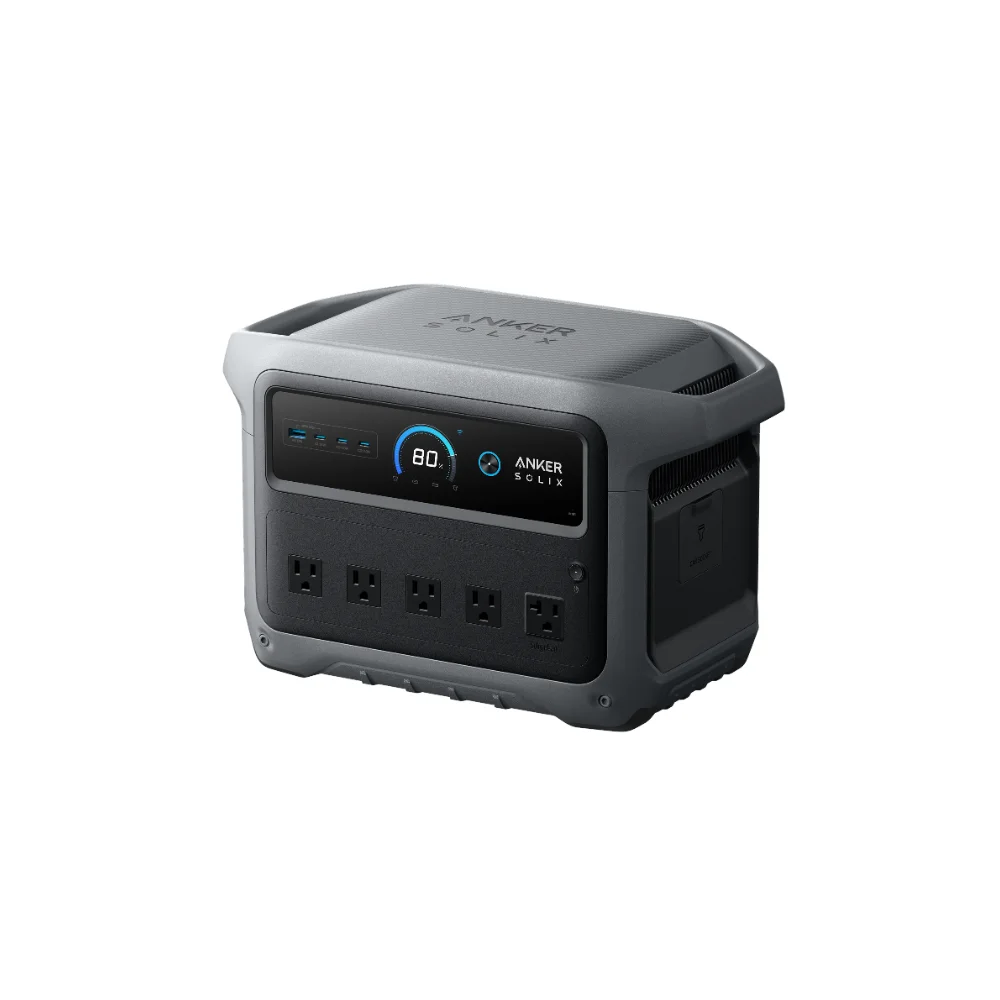

When to Buy: Best Time of Year for Power Station Deals in 2026
Most buying guides skip the timing question entirely, and it’s genuinely one of the more underrated pieces of advice in this category. Prices on power stations move on a fairly predictable seasonal rhythm — buy at the wrong moment and you can pay full price for the exact unit that’s commonly discounted somewhere in the 20-30% range a few weeks later during a seasonal sale.
This article may include affiliate links — if you buy through them we may earn a small commission at no extra cost to you, but our recommendations are based on our own independent research.
The Big Sale Windows
Memorial Day (late May) is a genuinely strong window for camping-season pricing as brands push ahead of summer. Prime Day and the mid-summer sales events often bring the deepest discounts of the year on established models. Black Friday and Cyber Monday remain the single best stretch for this category historically — both on current models and clearance of the outgoing generation. Early-to-mid fall, ahead of storm season in some regions and ahead of holiday sales, is a solid secondary window, especially for home-backup-focused shoppers who’d rather not wait for Black Friday.
Why New Model Launches Matter More Than the Calendar
Brands in this space release new generations fairly often, and the outgoing generation typically gets discounted hard once a replacement launches — sometimes deeper than any seasonal sale event. My take: if you’re not attached to owning the absolute newest model, watching for “previous generation, still in stock” pricing right after a launch is often the single best value move in this whole category — better than waiting for a specific holiday.
The Trap: Buying Reactively During an Emergency
The worst time to buy, price-wise, is during or right before a major storm event, when everyone in an affected region is scrambling for the same units at once. Prices and availability both get worse, not better, right when demand spikes.
What I’d Actually Do
If you have flexibility, Black Friday tends to be the strongest single window. If you need something sooner, check whether your target model has a newer generation rumored or recently launched — the outgoing model at a discount is frequently a better value than the new one at full price, since core capacity and safety fundamentals rarely change dramatically between generations.
Our Recommendation
Buy proactively, not reactively. If your need is seasonal — storm prep, camping season — shop 2-3 months ahead rather than waiting until you urgently need it. And don’t overlook “last generation” pricing right after a new model launches; it’s often the quietest deal in the whole category.
Is It Ever Worth Paying Full Price?
Yes, occasionally — and I say that as someone who generally argues for waiting. If you genuinely need backup power now, ahead of a documented risk like hurricane season in your region, paying full price for a unit in hand beats waiting for a discount and going into an actual emergency without one.
My take: treat “wait for a sale” as the default for a non-urgent, planning-ahead purchase, and set it aside entirely if you’re buying reactively ahead of a known risk. Money saved waiting for a discount isn’t worth much if it means facing an emergency without the unit at all.
How to Actually Track Prices Instead of Guessing
Price history tools that track a product’s listed price over time are genuinely useful, since they let you see whether a “sale” price is a real discount or just a temporary markup followed by a return to the same price it started at. My honest take: a genuine seasonal sale usually beats the typical price by a meaningful, checkable amount — commonly somewhere in the 15-30% range off a stable baseline, though the exact number varies by brand and model. Anything advertised as a huge discount off a price that was never actually the normal selling price isn’t a deal, it’s marketing.
Buying Direct From the Manufacturer vs. a Marketplace
Both routes have real advantages. Buying direct from the manufacturer’s site often gets you the longest, most straightforward warranty path, plus occasional exclusive bundle deals. Buying through a large marketplace can mean faster shipping, easier returns under that platform’s policy, and sometimes better pricing during platform-specific events. For a purchase in the $500+ range, compare both before buying — the “better deal” swings between the two depending on the week and whatever promotions are currently running.
Regional and Currency Factors
Factor in shipping cost, import duties, and warranty support limitations before assuming a lower sticker price abroad is actually the better deal once everything is accounted for.
FAQ
Is Black Friday really the best time to buy a power station?
It’s historically one of the strongest windows, yes — but watching for post-launch discounts on the previous generation can beat it depending on timing.
Should I wait to buy backup power until a storm is forecast?
No — that’s when prices and availability are at their worst. Buy ahead of the season you actually need it for.
Do extended warranties purchased at checkout tend to be worth it?
For a unit you’ll use heavily for years, an extended warranty can be reasonable insurance against battery degradation or component failure outside standard coverage — weigh the cost against how easily you could replace the unit if it failed.
Should I buy open-box or refurbished units to save money?
A certified refurbished unit from the manufacturer, with a real warranty, can be genuinely good value. An open-box unit from a third-party marketplace with no clear warranty path is a much bigger gamble on a product with a battery inside, where hidden wear isn’t always visible on inspection.
One last habit worth building: set a price alert or bookmark the exact model page you want, rather than relying on memory to check back during a sale window. The busiest sale periods move fast, and the best pricing on a popular unit can disappear within hours of a major event starting.
Related Reading
- What Size Power Station Do You Need to Run a Fridge?
- Power Station Connector Types Explained: Avoid Compatibility Headaches