
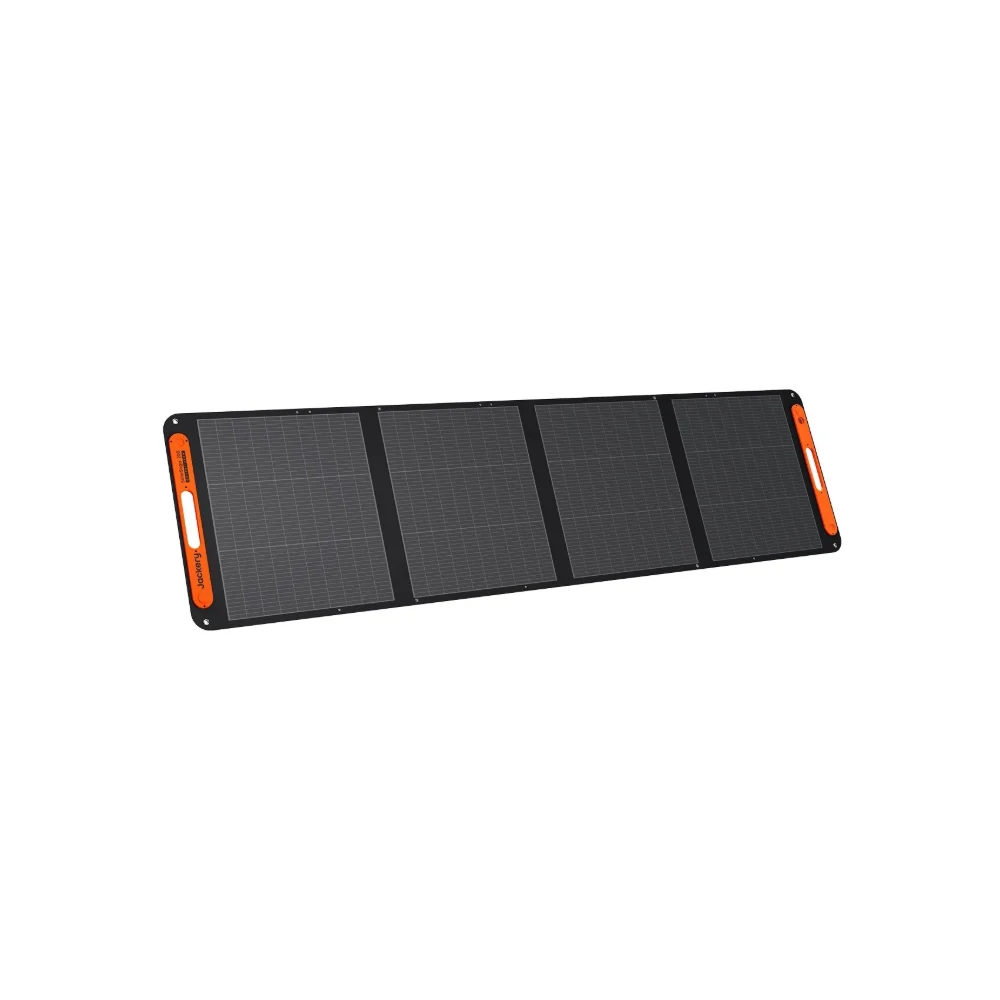

A 100W foldable solar panel adds roughly $200–$300 to a power station purchase, and it’s easy to wave that off as an upsell if you’re mostly plugging into a wall outlet at home. Whether it actually pays for itself depends entirely on how you use the panel — so instead of a blanket yes or no, here’s the actual math with the assumptions laid out, so you can plug in your own numbers instead of taking a generic answer on faith.
The math only works if you’re offsetting something you’d otherwise pay for
This is the part most “is solar worth it” articles skip: a solar panel only pays you back if it’s replacing a cost you’d otherwise incur — grid electricity, gas generator fuel, or a paid campground hookup. If you’re charging at home from a wall outlet, the electricity cost of recharging a typical 1–2kWh power station is a matter of cents per full charge at average US residential electricity rates, which means a home-charging-only user will almost never “pay back” a $250 panel through electricity savings alone. The panel’s value in that case is about backup capability and off-grid flexibility, not cost recovery.
Where the math changes is fuel replacement and avoided costs: if you’re regularly running a gas generator instead, or paying for a powered campsite you wouldn’t need with reliable solar charging, the comparison becomes real.
A worked example (adjust the numbers for your situation)
Assumptions for this example: a 100W panel costing $250, used to fully offset what would otherwise be $20 of gas generator fuel and oil per weekend trip (a reasonable estimate for a small generator running a few hours), used on 12 weekend trips a year.
| Variable | Example value |
|---|---|
| Panel cost | $250 |
| Avoided cost per trip | $20 (generator fuel/oil) |
| Trips per year | 12 |
| Annual avoided cost | $240 |
| Approximate payback period | ~13 months |
Change any of those inputs and the answer moves a lot. Someone who camps twice a year instead of monthly is looking at a payback period measured in years, not months. Someone replacing a noisy, expensive-to-run generator on every trip could realistically pay the panel off within a single camping season.
The costs the payback math usually leaves out
- Panel degradation and wear. Foldable panels take physical abuse — scratches, hinge wear, connector corrosion — that gradually reduces output. Budget for a panel lasting several years of regular use, not indefinitely at full rated output.
- Weather dependency. A cloudy weekend can cut a 100W panel’s real output by more than half. If you’re counting on solar to avoid buying fuel, a backup plan for low-sun days matters.
- Charging speed vs. wall charging. A single 100W panel charges far slower than an AC wall outlet. If your actual use case is “top off quickly between errands,” solar isn’t solving the problem you have.
Comparing Scenarios: Three Common Buyer Profiles
The worked example above uses one set of assumptions, but the honest answer changes a lot depending on who’s actually buying. Here’s how the math shifts across a few common profiles:
| Buyer profile | What the panel replaces | Rough payback |
|---|---|---|
| Occasional weekend camper (2-3 trips/year) | A small amount of generator fuel or nothing at all | Several years, often longer than the panel’s practical lifespan |
| Frequent camper or overlander (monthly trips) | Regular generator fuel and oil costs | Roughly 1-2 years, as in the worked example above |
| Off-grid cabin or extended remote stays | The cost of having no power source at all, or a much more expensive standby generator setup | Not a meaningful payback calculation — it’s a capability purchase, not a cost-saving one |
The occasional camper is the profile most likely to be sold a panel they don’t financially need — which isn’t a reason to avoid buying one, just a reason to buy it for the right reason (convenience, insurance, backup preparedness, or simply wanting it) rather than expecting it to pay for itself quickly on a spreadsheet. For a broader look at whether a full solar generator setup — not just the panel — makes financial sense for your usage pattern, see our cost-per-cycle breakdown of whether solar generators are worth it.
How Panel Lifespan Factors Into the Payback Math
Every payback calculation implicitly assumes the panel survives long enough to actually deliver those savings, which is worth stating explicitly rather than assuming. A panel that’s babied — dried before folding, stored out of direct heat, handled gently at the hinges — can reasonably be expected to perform close to its rated output for five years or more. One that’s dragged through gravel, packed away wet, and left in a hot trunk can lose meaningful performance within a season or two, which stretches out or entirely erases the payback period calculated above. Our full guide on how long portable solar panels actually last covers what drives that difference and how to protect the investment you’re calculating a return on. If you’re still deciding how many panels or how much wattage to buy in the first place, our sizing guide on how many solar panels you need for your solar generator is a useful next step before running your own numbers.
When it’s genuinely not about payback
For a lot of buyers, the honest answer is that the panel isn’t primarily a cost-recovery purchase — it’s insurance. If you’re buying a solar generator setup specifically for extended power outages, off-grid living, or remote travel where a wall outlet isn’t an option at all, the relevant comparison isn’t “years to break even” against grid power, it’s “what does it cost to have power at all when there’s no grid to plug into.” That’s a legitimate reason to buy the panel even when the strict payback math looks unfavorable.
FAQ
Do bigger panels pay back faster?
Not necessarily per dollar spent — cost per watt is often similar or slightly better on larger panels, but the payback period depends on how much of that extra capacity you actually use, not just how much you own.
Does adding solar extend the power station’s own lifespan?
Not directly. It changes how you recharge, not the battery’s own cycle life, which is governed by the number of charge/discharge cycles regardless of the power source.
Is a bundled solar generator kit cheaper than buying the panel separately later?
Often yes, since bundles are frequently discounted versus buying the power station and panel separately at full price — compare the bundle price against buying both components individually before assuming.
Should I include the power station itself in the payback calculation, or just the panel?
Just the panel, in most cases — if you’d have bought the power station regardless (for outages, camping, or as a battery on its own), the panel is the incremental purchase actually being evaluated, and the power station’s cost is sunk either way.
Does electricity rate matter much to this calculation?
Only meaningfully if you’re comparing against grid charging specifically. Since recharging a typical power station from a wall outlet costs a matter of cents even at above-average electricity rates, the panel’s payback case almost always hinges on offsetting generator fuel or paid hookups rather than home electricity.
What if I already own a generator — does solar still make sense?
It can, particularly if noise, fumes, or fuel logistics are part of what you’re trying to avoid rather than pure cost. A solar panel that lets you skip running a generator on most trips, keeping it strictly for backup, changes the calculation from pure payback to a mix of cost savings and convenience.
Bottom line
A solar panel add-on pays for itself fastest when it’s replacing a real, recurring cost — generator fuel, paid hookups, or the cost of not having power at all. If you’re mainly charging from a wall outlet at home, think of the panel as a capability purchase rather than a cost-saving one, and run your own numbers with your actual trip frequency and current fuel or hookup costs before deciding.
This post may include affiliate links — if you buy through them, we may earn a small commission at no extra cost to you. It doesn’t change what we cover or how we rank anything. The figures above are illustrative estimates, not financial advice — actual costs depend on your local fuel and electricity prices and usage patterns.