
Bidirectional Charging and Vehicle-to-Load Explained
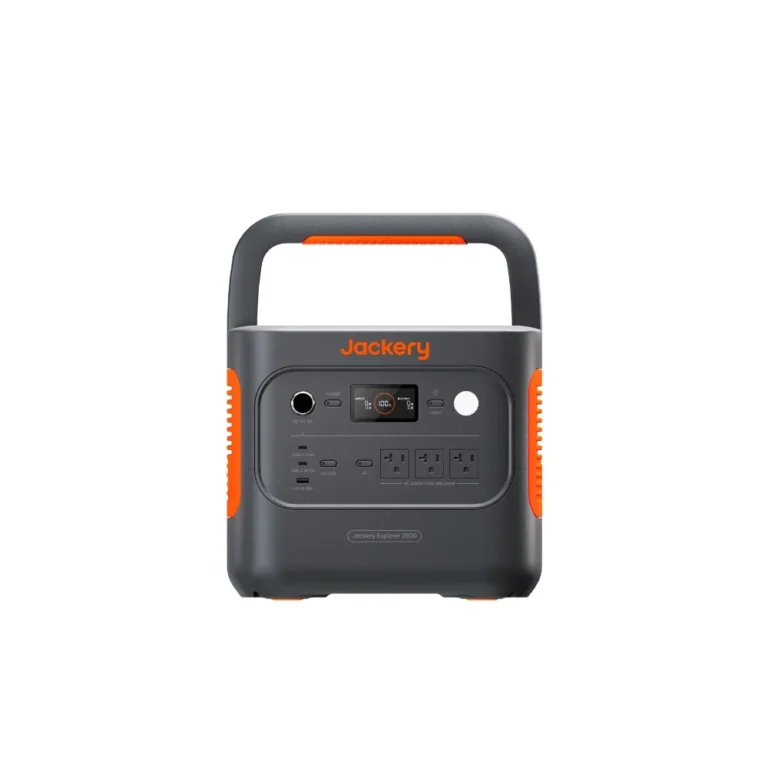
V2L, V2H, and V2G all fall under 'bidirectional charging,' but only one works with just an adapter. Here's the difference — and how V2L can recharge your portable power station.

V2L, V2H, and V2G all fall under 'bidirectional charging,' but only one works with just an adapter. Here's the difference — and how V2L can recharge your portable power station.
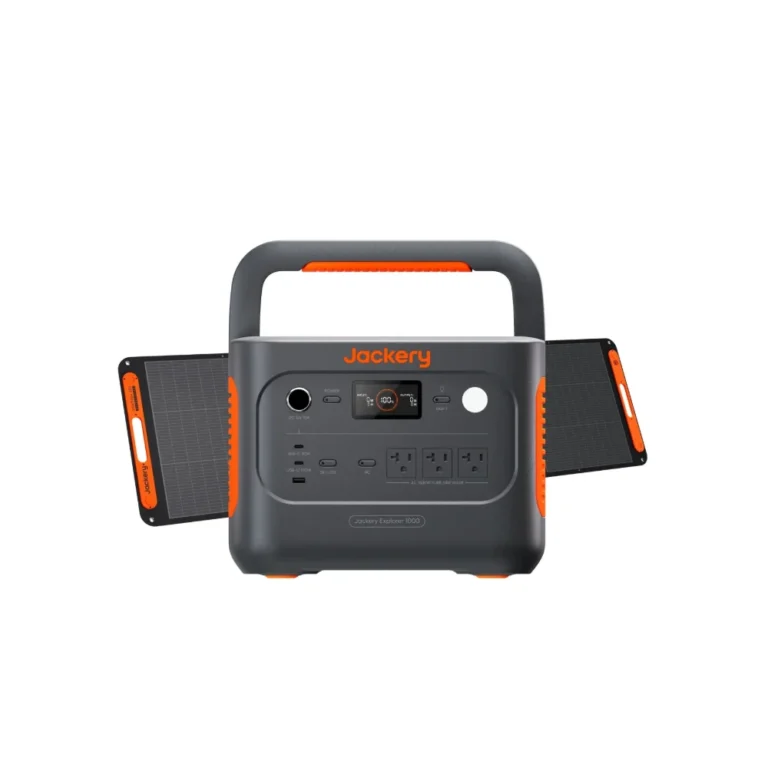
From hive monitoring and electric fences to extraction equipment and bore pumps, here's how to size a solar generator for beekeeping and off-grid farm infrastructure.
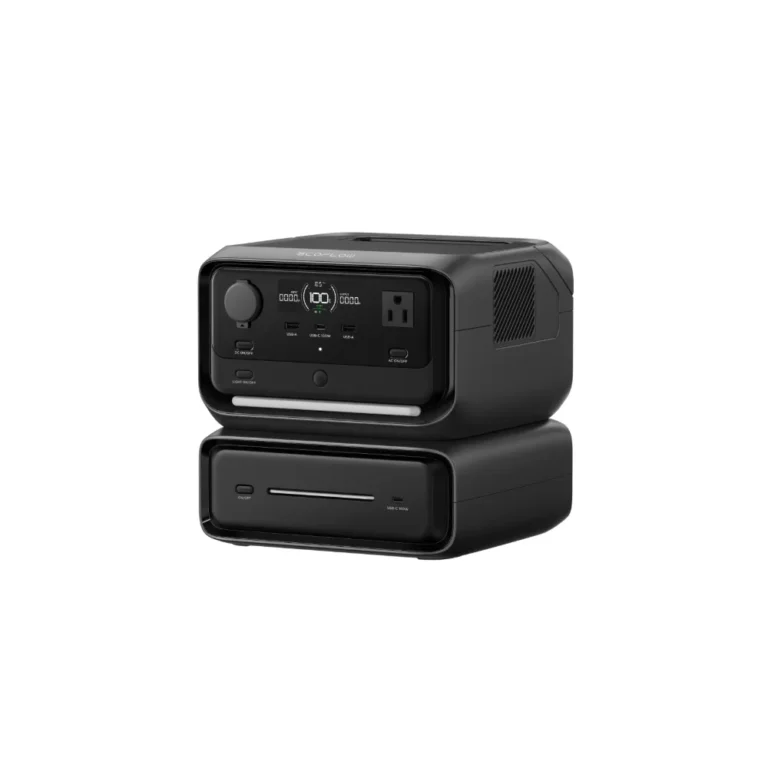
Most power stations aren't built for salt spray. Here's what actually corrodes, why IP65+ matters for marine use, and how to protect a non-rated unit if that's what you're bringing aboard.
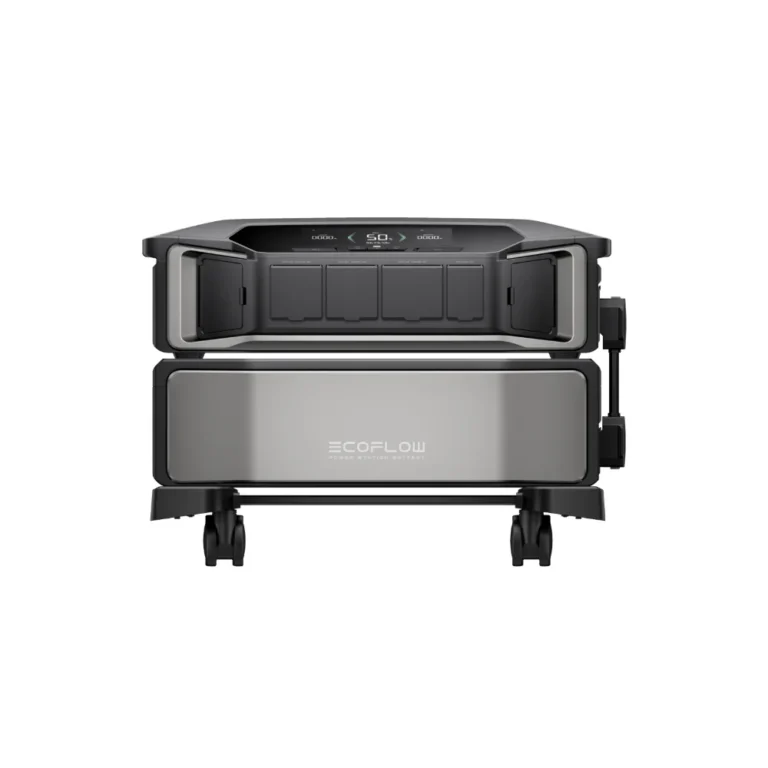
A stationary oxygen concentrator can draw 200-600W and needs thousands of watt-hours for a real outage. Here's the sizing math — and why a battery should never be your only backup plan.
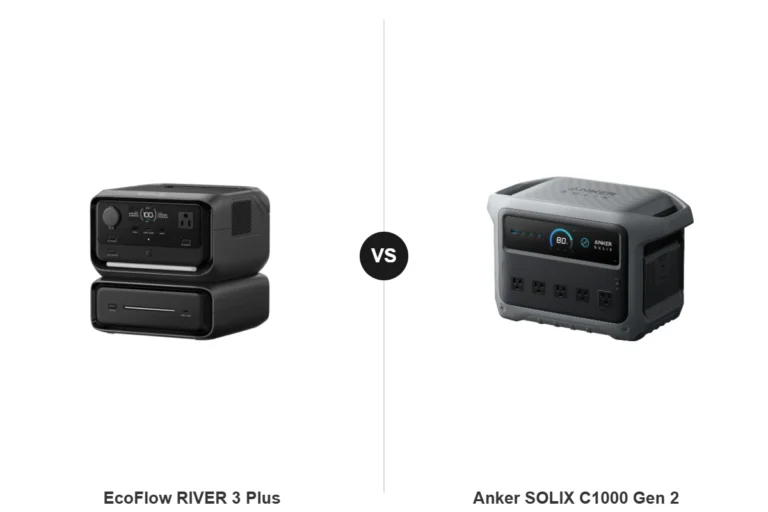
The Anker SOLIX C1000 Gen 2 holds 3.5x the energy of the EcoFlow RIVER 3 Plus, but the RIVER 3 Plus weighs less than half as much. Here's which one actually fits your tent camping trip.
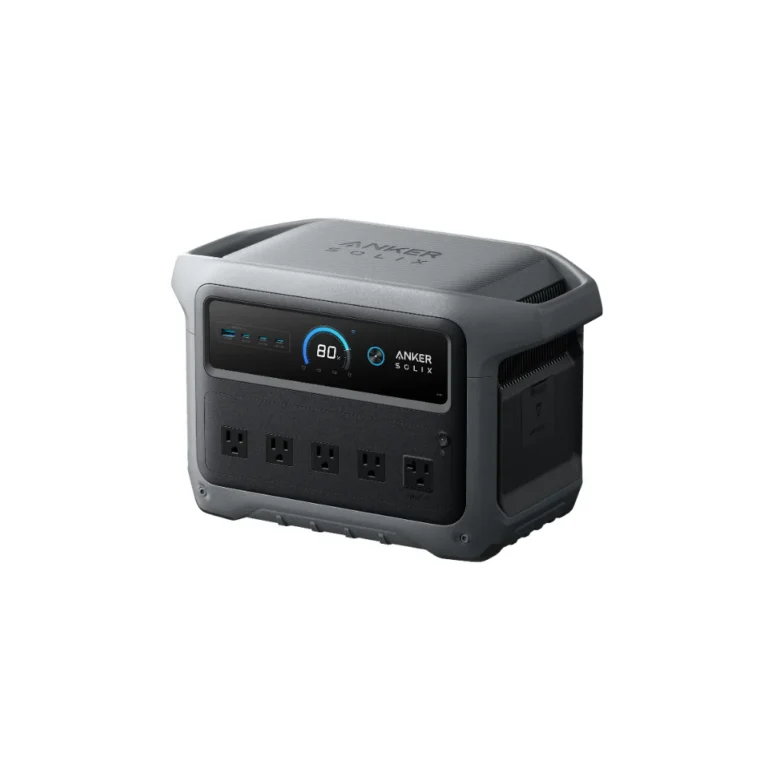
For an elderly parent or aging-in-place backup, capacity matters less than app-independent controls, manageable weight, and a pure sine wave inverter. Here's how to actually choose.
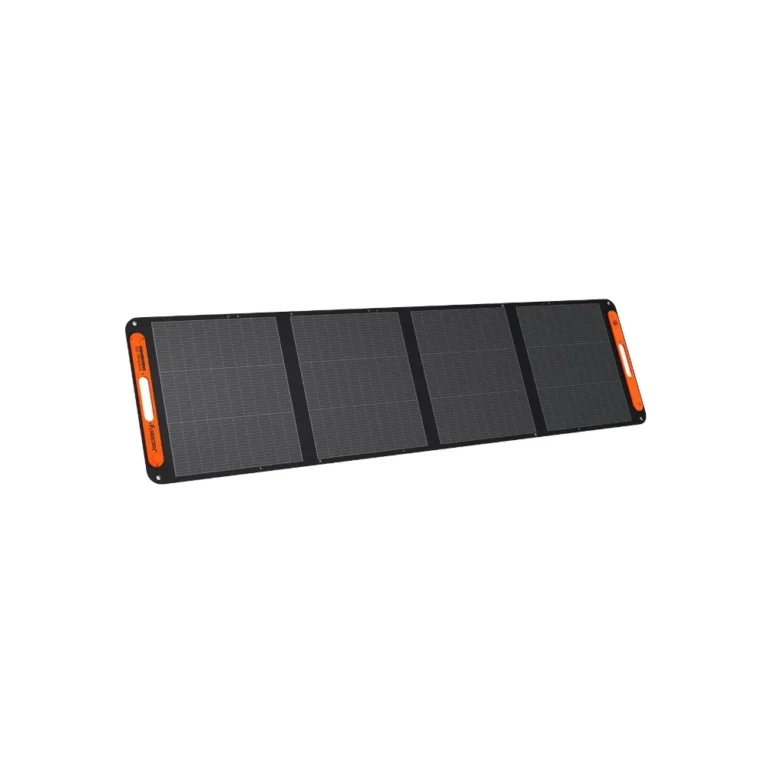
Bifacial solar panels promise up to 25% more power from reflected light. Real-world data shows the gain ranges from 5% to 25% depending entirely on the surface underneath — here's when the premium is worth it.
Jackery, EcoFlow, Bluetti, and Anker SOLIX all have companion apps — but Bluetooth-only simplicity and Wi-Fi remote monitoring come with very different tradeoffs in reliability and battery drain.
A 100W solar panel costs $200-300. Here's the actual payback math, with assumptions laid out, instead of a generic yes or no.
LiFePO4 power stations can't charge below freezing, even though they can run well below it. Here's what actually matters for ice fishing.