
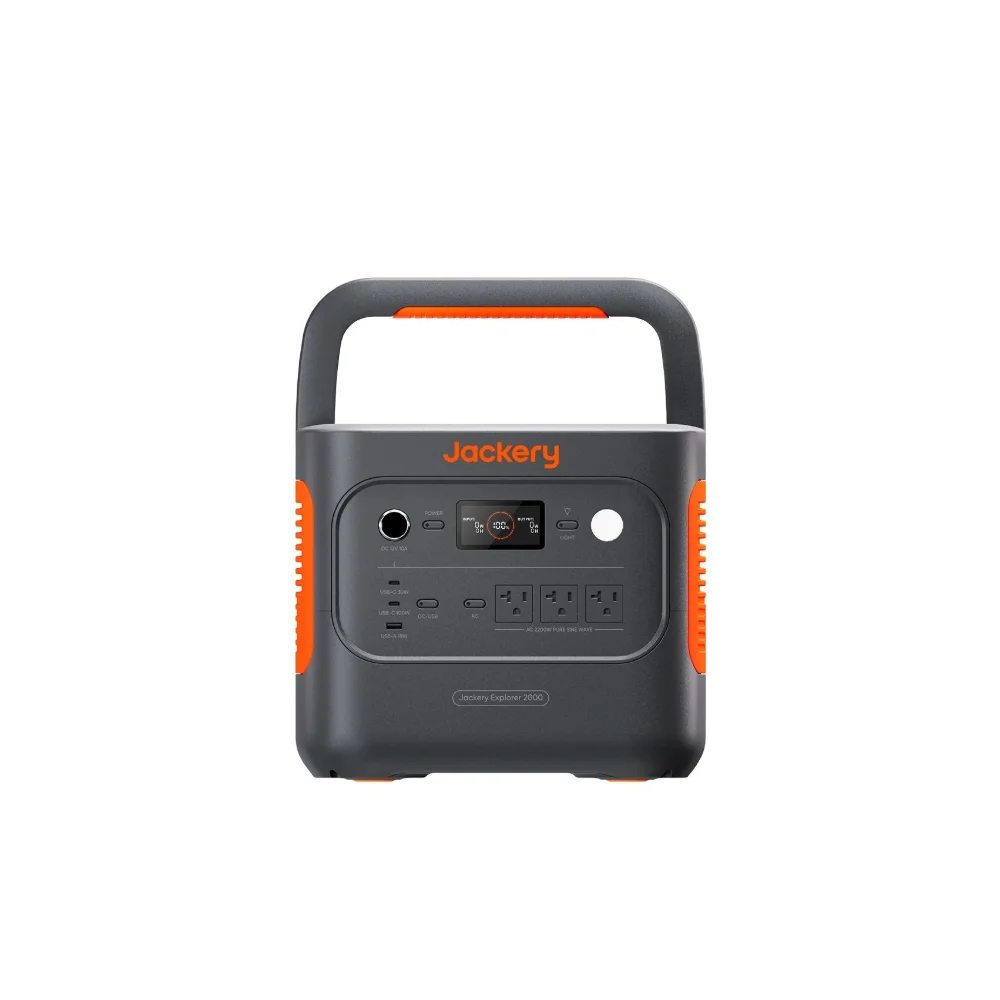

Portable Power Station Safety: What to Know Before You Buy
You’re putting a few hundred watt-hours of lithium battery in your home, your tent, or your car trunk. That’s worth five minutes of actual attention before you buy, not just after something goes wrong. Here’s what I actually check before recommending any unit — and what the safety certifications on the box really mean.
This article may include affiliate links — if you buy through them we may earn a small commission at no extra cost to you, but our recommendations are based on our own independent research.
The Certifications Worth Looking For
Not all safety labels are equal. A few worth actually checking for:
- UL certification (UL 2743 for the device, UL 1973 for the battery pack specifically) — independent third-party testing for electrical safety, thermal protection, and impact resistance. This is the one I look for first.
- IEC 62133 / IEC 62619 — international battery safety standards covering cell-level safety testing.
- CE marking — required for sale in the EU and a reasonable baseline safety indicator, though less rigorous than UL testing specifically.
A unit with none of these listed anywhere on the packaging or spec sheet is a red flag worth taking seriously, especially from a brand you haven’t heard of before.
Understanding Thermal Runaway (Without the Scare Tactics)
Thermal runaway is the technical term for the failure mode everyone’s actually worried about — one battery cell overheating badly enough to cause a chain reaction in adjacent cells. It’s a real risk with lithium batteries generally, but the risk profile has changed enormously with the shift to LiFePO4 chemistry, which is fundamentally more thermally stable than older lithium-ion cells and dramatically less prone to this failure mode in the first place. This is, honestly, one of the strongest arguments for buying a LiFePO4 unit over an older lithium-ion one even before you factor in the longer lifespan.
What a Battery Management System Actually Does
Every reputable power station has a Battery Management System (BMS) — essentially a small onboard computer constantly monitoring temperature, voltage, and current across the battery, automatically cutting power if any of those readings step outside safe limits. It’s also what manages the charge and discharge cycles to protect long-term battery health. A quality BMS is invisible in daily use — you’ll never think about it — but it’s doing real work every time you charge or draw from the unit. This is genuinely not a spec to skip when comparing budget units, even if it’s harder to verify than a wattage number.
Practical Safety Habits, Not Just Specs
- Charge on a hard, non-flammable surface — not a bed, a couch, or carpet — especially when charging unattended overnight.
- Avoid extreme heat. Don’t leave a unit charging in a hot car in direct summer sun.
- Use the charger that came with it. Third-party chargers that don’t match the unit’s specifications are a genuine, avoidable risk.
- Don’t cover the vents. These units generate heat during charging and discharging, and blocking airflow undermines the whole cooling design.
- Store it somewhere ventilated with moderate temperatures — not a sealed hot car trunk in summer.
- Let it acclimate after extreme cold before charging, per most manufacturers’ guidance.
Certifications and BMS quality matter most for the rare catastrophic failure mode, but these everyday habits are what actually prevent the more common, less dramatic problems — reduced lifespan from poor storage conditions, or a charging port damaged by moisture. Good habits and a well-built unit work together; neither fully substitutes for the other.
My Honest Take
I don’t think portable power stations are dangerous — the good ones, from reputable brands, with proper certifications, are engineered with multiple redundant safety systems and have an excellent real-world track record. What concerns me is the flood of no-name budget units on marketplaces with vague or absent safety documentation, sold purely on a low price and a big capacity number. Spend the extra bit of research time checking for real certifications before you buy, especially if this thing is going to charge unattended in your home. It’s the one corner genuinely not worth cutting in this category.
Warning Signs Worth Taking Seriously
None of these are common with reputable, certified units, but they’re worth knowing so you’re not second-guessing normal behavior versus a genuine problem:
- Unusual swelling of the casing — stop using and unplug immediately if you notice this.
- A persistent burning smell during charging or use that isn’t just normal warm-electronics smell.
- Excessive heat that makes the casing genuinely too hot to comfortably touch, beyond normal operating warmth.
- The unit shutting itself off repeatedly under loads well within its rated capacity — this usually signals the BMS is catching a real fault, not a glitch to ignore.
If you see any of these, stop use, contact the manufacturer, and don’t attempt to open or repair the unit yourself — these are sealed battery systems, and there’s no user-serviceable component inside worth the risk.
Checking for Recalls Before You Buy Used
If you’re considering a secondhand unit — and the used market for these has grown a lot — it’s worth a quick search for the specific model and “recall” before buying. Battery product recalls do happen across the industry from time to time, and a two-minute search can save you from inheriting someone else’s safety issue. This is one area where buying new from a reputable retailer with a real return policy is genuinely worth the price premium over a marketplace deal from an unknown seller.
Frequently Asked Questions
Is it safe to leave a power station charging overnight?
With a quality unit that has a proper BMS and safety certifications, yes — the system is designed to stop charging automatically once full and to shut down if it detects a fault. That said, charging on a hard, non-flammable surface rather than a bed or couch is still good practice regardless of brand.
Are cheaper, no-name power stations actually dangerous?
Not automatically, but the risk goes up meaningfully with brands that skip independent safety certification, since there’s no third-party verification of their safety claims. It’s less about price and more about whether the brand can show real UL, IEC, or CE documentation.
Do power stations need to be inspected or serviced periodically?
No routine servicing is required for normal consumer use — that’s actually one of the appeals versus a gas generator. A visual check every so often (no swelling, no corrosion on ports, cables in good condition) is reasonable, but there’s no oil, filters, or spark plugs to maintain.
Reading the Fine Print on Safety Claims
Marketing copy loves phrases like “military-grade” or “advanced safety system” without pointing to any actual independent test. My rule of thumb: if a brand can’t point you to a specific certification number or standard (UL 2743, UL 1973, IEC 62133, etc.) when asked directly, treat their safety claims as marketing rather than verified fact. Reputable brands list these certifications plainly on their spec sheets or product pages precisely because they’ve paid for and passed the testing — it’s not something worth hiding if it’s genuinely there. A quick search of the certification number itself, if provided, can usually confirm it’s real and tied to that specific product rather than borrowed language from a different model.
Related Reading
- Solar Charging Explained: How Fast Can You Really Recharge a Power Station?
- Best Budget Portable Power Stations Under $300 in 2026