

Over the past week, severe thunderstorms and suspected tornadoes tore through the Midwest, cutting power to well over a million customers across states like Illinois, Indiana, and Ohio, according to reporting from NBC News, CBS News, and local outlets tracking utility restoration efforts. None of that was hurricane-related — no coastal storm, no advance warning of days. That’s exactly the pattern that makes inland power outages different from the hurricane-season prep most backup-power content focuses on, and it’s worth planning for separately.
Affiliate disclosure: This article may include affiliate links — if you buy through them we may earn a small commission at no extra cost to you, but our recommendations are based on our own independent research.
Why Inland Storm Outages Are a Different Problem Than Hurricanes
Hurricane prep usually comes with days of lead time — you can charge devices, top off a power station, and plan around a forecast track. Severe thunderstorm and derecho-driven outages don’t offer that luxury. They can develop and knock out power within hours, often with far less specific warning about which neighborhoods will lose electricity or for how long. Utility restoration timelines during these events have stretched into multiple days in recent cases, with some outlets reporting utilities targeting 80% restoration within 48 hours and 99% within several days for the largest outages.
If your backup power plan only kicks in once you see a hurricane on the forecast map, you’re leaving out a whole category of risk that, this year, has affected more households than some named storms.
What “Storm-Ready” Actually Means for a Power Station
Keep It Charged Year-Round, Not Seasonally
The biggest practical shift is treating your power station’s charge level as a year-round habit rather than something you top off every June. Severe storm season in much of the country runs well beyond the traditional hurricane calendar, and derechos in particular are notoriously short-notice.
Prioritize Fast Recharge and Reliable Surge Handling
Because you may not get much warning, a power station that can recharge quickly from empty — and one with a comfortable surge rating for stepping in when the grid drops — matters more than squeezing out the absolute largest capacity number. A high continuous output with real surge headroom gives you margin if a fridge compressor or sump pump kicks on unexpectedly during an outage.
Know What You’re Actually Trying to Power
Before an outage hits, it’s worth doing the wattage math on your actual essentials — fridge, a few lights, phone charging, maybe a sump pump — rather than assuming a big number on a spec sheet automatically covers everything.
A Solid Option for This Use Case
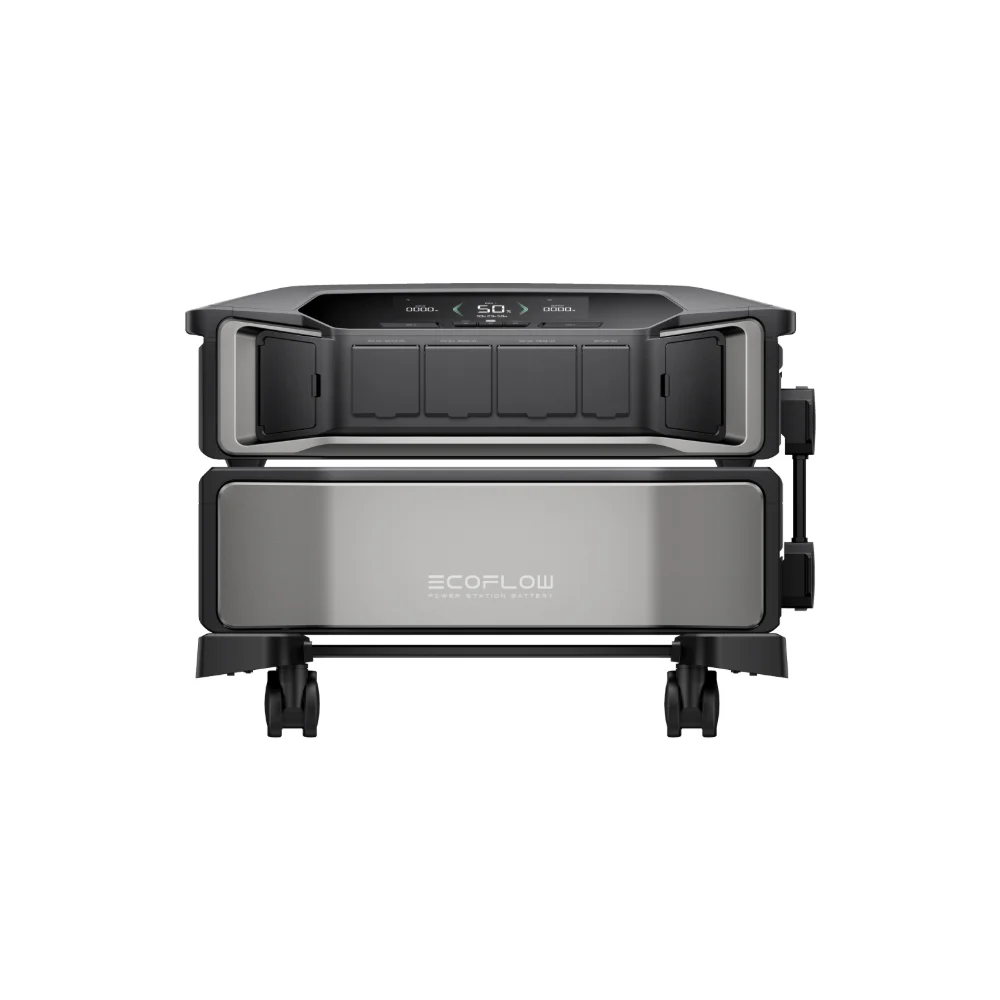
For inland storm prep specifically, I’d look at something with strong surge capability and enough capacity to bridge a multi-day outage without needing a generator running the whole time. The BLUETTI Premium 200 V2 — 2,073.6Wh capacity, a pure sine wave inverter, 2,700W continuous AC output, and 3,900W of lifting power for surge loads — fits that brief well, and it’s currently available through an authorized dealer. Check current price on Outbound Power →
My Take
I think a lot of backup-power content, including some of what we’ve published here, defaults to hurricane framing because it’s the most visible seasonal risk. But this week’s Midwest outages are a good reminder that severe weather doesn’t wait for hurricane season, and the households affected didn’t get much warning either. If you live somewhere that gets serious summer thunderstorm activity — which is most of the country — treating backup power as a year-round habit rather than a seasonal checklist item is the more realistic approach.
Why Short-Notice Outages Change the Prep Calculus
The core problem with severe thunderstorm and derecho outages isn’t that they’re worse than hurricanes — often they’re shorter — it’s that they don’t give you the multi-day forecast window hurricanes typically do. A hurricane prep checklist assumes you have two or three days to charge everything, fuel up, and stock supplies. A severe storm outage can start with a line of thunderstorms that wasn’t in yesterday’s forecast, which means your power station either was already charged and ready, or it wasn’t. That shifts the whole strategy from “prepare when a storm is named and tracking toward you” to “stay ready as a standing habit” throughout the season rather than reactively.
In practice, that means treating your power station’s charge level as something to check periodically all summer, not something you top off only when a hurricane appears on the forecast map. Our 7-day power backup checklist lays out a standing readiness routine that works whether the threat is a hurricane with a week of warning or a severe thunderstorm cell that forms that afternoon.
What Actually Fails First in These Outages
Straight-line wind events and derechos tend to take down power lines and trees rather than flood infrastructure, which means the failure pattern — and the recovery timeline — differs from hurricane outages. Tree-on-line damage across a wide area can mean a longer restoration time than the storm’s brief duration would suggest, since utility crews have to clear and repair damage across a large footprint rather than responding to one concentrated area. That’s part of why a “it was just a thunderstorm, it’ll be back on soon” assumption is often wrong — restoration after a widespread wind event can stretch into days even though the storm itself passed in under an hour. Testing your setup before storm season, not during an active outage, catches problems (a battery that won’t hold charge, a forgotten cable) while you still have time to fix them; see our guide on testing and maintaining your backup power station before hurricane season for a pre-season checklist that applies just as well to severe storm season generally.
Prioritizing What Actually Needs Power
Whatever capacity you own, knowing what to power first when an outage starts matters as much as the unit itself — running a space heater or a full-size fridge continuously drains even a large unit faster than most people expect, while a more deliberate approach (fridge on a schedule, phones and medical devices prioritized, non-essentials skipped) stretches the same capacity much further. Our load-shedding guide on what to prioritize when the power goes out walks through building that kind of plan before you need it, rather than figuring it out in the dark mid-outage.
FAQ
How is derecho/severe storm outage risk different from hurricane risk?
Hurricanes typically come with days of forecast warning. Severe thunderstorms and derechos can develop and cause widespread outages within hours, with far less lead time to prepare.
How much power station capacity do I need for a multi-day outage?
It depends on your essentials, but a unit in the 2,000Wh+ range with solar recharging capability can typically bridge several days of fridge, lighting, and device-charging needs if you’re conservative about usage.
Should I buy a bigger unit than I think I need?
A little headroom for surge loads (like a compressor kicking on) is smart, but buying far more capacity than your actual essentials require mostly just costs you more money without meaningfully improving your outage readiness.
Is severe thunderstorm outage risk increasing, or does it just feel that way?
Utilities and grid operators in several regions have reported more frequent severe-weather-driven outage events in recent years, and inland areas that historically didn’t plan around hurricane-style outages are increasingly factoring wind and thunderstorm risk into their own preparedness planning. Regardless of the broader trend, the practical takeaway is the same: short-notice outages are common enough in most regions to be worth planning for as a standing habit rather than a rare edge case.
Does solar recharging help during an extended storm-outage stretch?
Yes, with a caveat — severe storm systems often bring extended cloud cover along with the outage itself, which reduces solar charging effectiveness exactly when you need it most. Solar is a valuable extension of your runway, not a guaranteed full recharge during the same system that caused the outage.
What’s the single most useful thing to do before storm season starts?
Test your unit under an actual load before you need it — plug in your fridge or another real appliance for an hour and confirm it performs as expected, rather than assuming a unit that’s been sitting untouched all year will work perfectly the first time you need it during a real outage.