

College football season kicks off in the next few weeks, and tailgate lots are one of the most underrated use cases for a portable power station. It’s a different job than camping or emergency backup: you’re running a speaker, maybe a small TV or projector, a mini fridge, and charging a pile of phones, usually for a few hours at a time in a parking lot with no shore power. Here’s how to actually shop for that.
Affiliate disclosure: This article may include affiliate links — if you buy through them we may earn a small commission at no extra cost to you, but our recommendations are based on our own independent research.
What Tailgating Actually Demands From a Power Station
Enough Output for a Speaker and Small Appliances, Not a Whole Kitchen
Most tailgate setups are running a Bluetooth speaker or small PA, string lights, maybe a portable TV, and a mini fridge or cooler with a compressor. That’s a modest, steady load — you don’t need a 3,000W home-backup unit for this, and carrying one across a parking lot is its own kind of punishment.
Portability Matters More Than It Does at Home
You’re carrying this from a car to a spot, sometimes across a field, and back again at the end of the day. A lighter, grab-and-go unit with a real handle is going to get used a lot more happily than a heavy one you have to wheel or double-carry.
Quick Recharge for Multi-Game Weekends
If you’re tailgating multiple games in a season, or a full weekend of activities, a station that recharges quickly overnight off a wall outlet means you’re not starting the next game day at 40%.
Weather and Spill Resistance
Tailgates mean coolers, drinks, and occasionally rain. It’s worth keeping the unit off the ground on a table or in a bag, and being mindful of exposure — most power stations aren’t rated for direct weather exposure even if they’re durable.
What Size Actually Makes Sense
For a typical tailgate — speaker, phone charging, a small cooler, some lighting — something in the 250-1,000Wh range with a couple hundred watts of continuous output is usually plenty for several hours. You don’t need to size up to a whole-home backup unit unless you’re also running something unusually power-hungry, like a large screen or a full-size grill’s electronics.
A Solid Pick for This Use Case
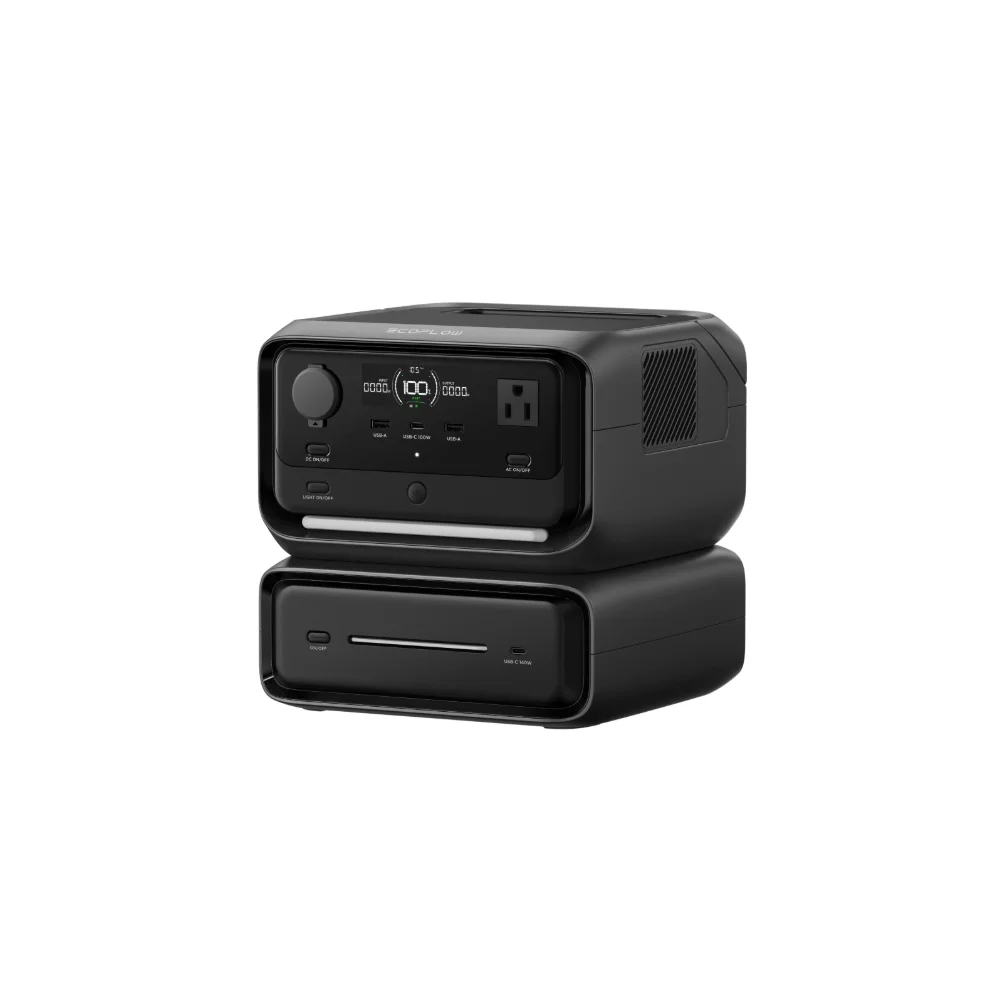
The EcoFlow RIVER 3 Plus is a good match for tailgate-sized needs: 286Wh of capacity, 600W continuous output, and compact enough to carry one-handed, with 220W solar input if you want to top it off between games. It’s not trying to be a home-backup unit, and that’s exactly the point. The EcoFlow RIVER 3 Plus is not currently available through our affiliate partners — we will add a link back if that changes.
My Take
The temptation with any power station purchase is to buy the biggest number available “just in case.” For tailgating specifically, that’s usually the wrong call — a smaller, lighter unit that’s actually pleasant to carry and quick to recharge will get used every single game day, while an oversized unit is more likely to stay in the garage because it’s a hassle to haul.
Charging Between Games and Across a Long Season
If tailgating is a weekly habit through the season rather than a one-off, your recharging routine matters as much as the unit itself. Recharge fully within a day or two of each game rather than letting it sit partially depleted for a week between tailgates — a lithium battery handles a full recharge cycle better than sitting at a low, drifting charge state for extended stretches. If your tailgate spot has any outlet access (some stadium lots do, informally or through a generator-sharing arrangement with neighboring groups), a quick top-up during the game itself, even a partial one from a friend’s generator or a nearby RV hookup, can stretch a single charge across back-to-back weekends. Otherwise, treat “recharge before next Saturday” as a standing habit rather than something you remember the night before kickoff — a quick calendar reminder the day after each game is enough to keep a season-long tailgate setup reliable without much thought.
Building a Tailgate Power Plan, Not Just Buying a Unit
The most common tailgate power failure isn’t underpowered equipment — it’s poor planning around when things actually draw current. A speaker running continuously for six hours draws steadily, but a mini fridge cycles its compressor on and off, and a TV or projector for pregame highlights pulls more than people expect. Before game day, add up what you’re actually running and for how long, rather than assuming “a power station” solves it generically. If you’re bringing a projector or TV into the mix, that’s a meaningfully different load profile than speakers and phone charging alone, and it’s worth sizing up rather than assuming your existing unit has headroom.
Cold weather tailgates — early-season or late-fall games, and anything played in genuinely cold climates — add a wrinkle worth planning for too: battery performance drops somewhat in cold temperatures, so a unit that comfortably handles a full warm-weather tailgate may run shorter on a cold December afternoon. Bringing it inside the vehicle between uses, rather than leaving it in a cold truck bed all day, helps preserve usable capacity.
Setting Up Efficiently in a Parking Lot
A few practical habits make a real difference at a crowded tailgate: charge the unit fully the night before rather than topping it off in the parking lot that morning, since a lot with hundreds of tailgates rarely has reliable outlet access. Keep it somewhere shaded rather than baking on hot pavement or in a closed trunk, both for the unit’s own health and because heat reduces available output when you actually need it. And if you’re sharing the lot with a group, a single higher-capacity unit that covers speakers, a TV, and charging for the whole group is often more practical — and cheaper per person — than everyone bringing a smaller individual unit. If your tailgate crew also road-trips or camps together during the season, our guide to power stations for road trips and boondocking covers a similar group-use sizing question for longer trips.
FAQ
What size power station do I need for tailgating?
For a speaker, phone charging, and a small cooler, 250-600Wh of capacity with a few hundred watts of continuous output is usually enough for several hours.
Can a power station run a mini fridge at a tailgate?
Small compressor-based mini fridges and coolers typically draw modest continuous wattage, so a mid-size unit can usually handle one for several hours, though exact runtime depends on the fridge’s specific draw.
Should I bring a solar panel to a tailgate?
It’s optional but useful if you’re outside for a full day — a compact folding panel can help top off the unit between uses, especially on a sunny game day.
How many devices can I realistically run at once?
It depends more on total wattage than device count — a unit rated for a few hundred watts of continuous output can typically run a speaker, string lights, phone chargers, and a small fan simultaneously without issue, since none of those draw much individually. It’s larger single loads like a TV, projector, or mini fridge that eat into that headroom fastest.
Is it safe to leave a power station running in a hot parking lot all day?
Active use in heat for a single day is generally fine — the bigger concern for long-term battery health is repeated, prolonged exposure over many trips, not one tailgate. Keeping it shaded rather than in direct sun still helps with both performance and longevity on any given day.
What’s the difference between running speakers off a power station versus a car’s outlet or battery?
A dedicated power station avoids draining your vehicle’s starting battery, which is a real risk with hours of continuous speaker use off a car outlet, and it lets you set up away from the vehicle entirely — useful when parking is tight or you want your speaker and seating area somewhere other than right next to the car.