
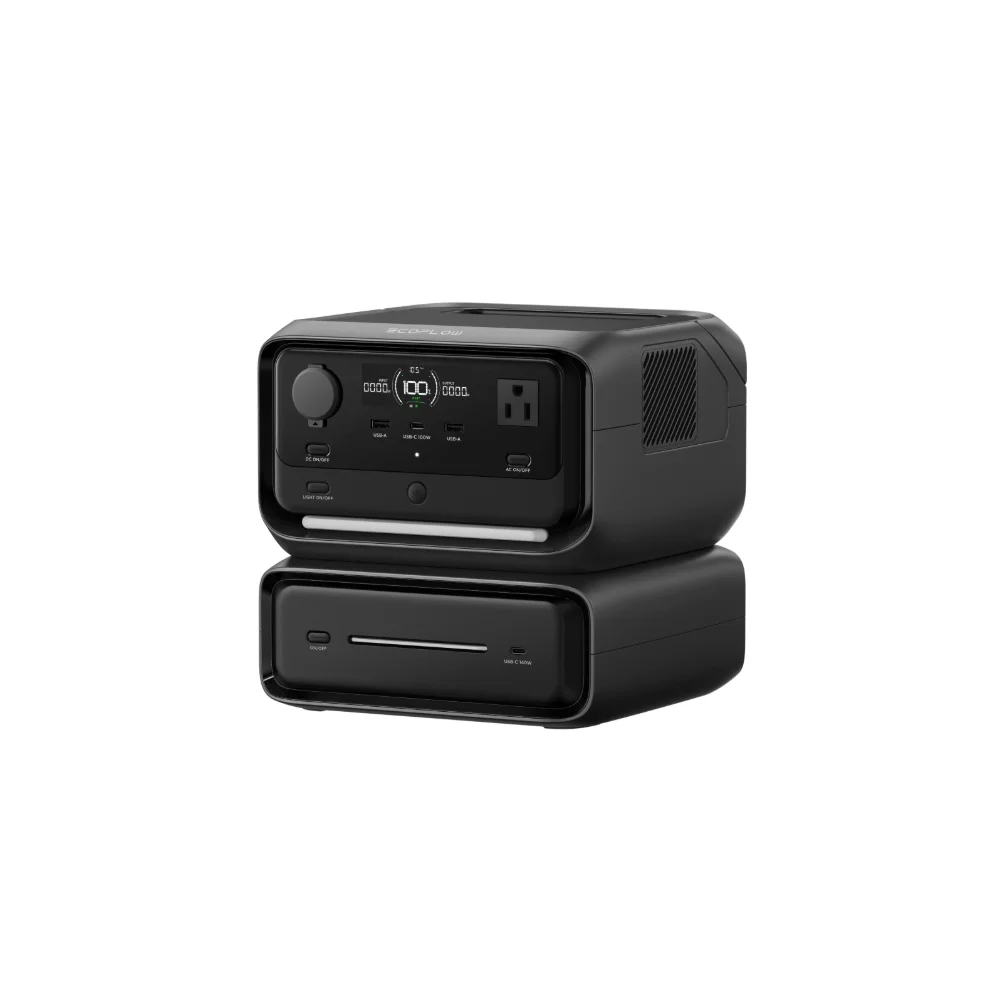
Every ounce matters when it’s on your back for ten miles, so a lightweight power station for backpacking isn’t just a nice feature — it’s the whole decision. This is a genuinely different shopping list than car camping, and most general “best power station” roundups don’t treat it that way.
This article may include affiliate links — if you buy through them we may earn a small commission at no extra cost to you, but our recommendations are based on our own independent research.
Current Weight Class Leaders
Current-generation compact units are landing in a genuinely backpack-friendly range — the lightest current models, like the EcoFlow River 2 (256Wh), weigh around 7.5-8.5 lbs while still delivering a couple hundred watt-hours of LiFePO4 capacity, and slightly larger “grab-and-go” units in the 6-9 lb range stretch that to closer to 300Wh. That’s enough to fully recharge a phone many times over, run a headlamp for the whole trip, and top off a camera or a compact CPAP unit for a single night if needed.
My Take on the Weight-vs-Capacity Trade
In practice, backpackers consistently overestimate how much capacity they actually need on trail. If you’re not running a fridge or anything power-hungry, a 200-300Wh unit in the 7.5-8.5 lb range covers a multi-day trip for phone and headlamp charging with real margin to spare. Going bigger “just in case” mostly means carrying dead weight you never touch — and on a long trail day, that’s a real cost, not a hypothetical one.
Solar Panels for Backpacking: What Actually Makes Sense
A full-size 100-200W folding panel makes sense for car camping, but on trail it’s often overkill and genuinely too heavy to justify. Ultralight solar panels in the 20-60W range, often weighing under a pound, are a better match for a 200-300Wh unit and a realistic multi-day recharge need. My take: unless you’re out for a genuinely extended trip (a week or more with no resupply), you may not need a panel at all — many backpackers can simply charge fully before departure and recharge at the next town stop or trailhead, skipping the panel weight entirely.
Real Trip Scenarios: 3-Day vs 7-Day Power Needs
For a 3-day weekend trip, a 200Wh unit with no panel typically covers phone, headlamp, and occasional camera charging with room to spare — you simply recharge at home before and after. For a 7-day trip with no resupply, the math changes: budget roughly 150-200Wh of actual usage across the week for light electronics, which a 200-300Wh unit can just barely cover without a panel, or comfortably cover with a small 20-30W ultralight panel supplementing on clear days. Beyond 7 days, I’d genuinely lean toward the panel rather than a bigger (heavier) battery — weight savings compound over a long trip in a way that’s easy to underestimate until you’re actually carrying it.
What to Actually Prioritize
- Weight first — this is the category where a pound difference actually matters day to day
- USB-C PD output for fast, efficient charging of modern phones and lightweight electronics
- Durability — a rugged casing matters more here than on a car camping trip where the unit stays in a trunk
- Solar compatibility if you’re doing multi-day trips without resupply access
When a Simple Power Bank Beats a “Power Station”
Worth saying honestly: if all you need is phone and headlamp charging for a weekend trip, a dedicated ultralight power bank might genuinely serve you better than even the lightest “power station” branded product — you’re paying for an inverter and AC output you may never use on trail. I’d rather point that out than sell you more device than your actual use case needs.
Care and Maintenance for Trail Use
Trail conditions are harder on gear than a car trunk ever is — dust, occasional rain, and getting jostled against other pack contents all take a toll over repeated trips. A simple protective sleeve or dedicated pack pocket goes a long way, and it’s worth wiping down ports after dusty trips before charging to avoid debris interfering with the connection. My take: the lightest, most minimal units are sometimes also the least ruggedized, so if you’re hard on gear, weigh that trade-off against the absolute lowest weight option rather than assuming lighter always means better for your specific trip style.
What Thru-Hikers Actually Carry
Talking to people who’ve done multi-week thru-hikes, a common pattern emerges: many carry a mid-size power bank (not even a full “power station”) in the 10,000-20,000mAh range for phone and headlamp charging between town stops, skipping solar entirely if resupply points are frequent enough. Solar panels show up more often on routes with longer stretches between towns, or for hikers running additional electronics like a satellite communicator or camera. My take: let your specific route’s resupply frequency drive this decision more than general “backpacking power” advice — a well-supplied trail needs less self-sufficient power gear than a remote one.
Our Recommendation
For backpacking, weight should be your first filter, not capacity. A sub-5lb, 200-300Wh LiFePO4 unit covers most multi-day trips for electronics charging. If you genuinely don’t need AC output or higher wattage, consider whether a simpler ultralight power bank actually fits your trip better than a full power station.
Cold-Weather Trips Change This Math
If you’re backpacking somewhere genuinely cold, factor in that battery performance drops in low temperatures, and you’ll likely want to sleep with your unit in your sleeping bag rather than leaving it in an outside pocket overnight. This adds a small planning step most three-season backpackers don’t think about until their first genuinely cold trip.
My take: pack a slightly higher capacity than you think you need for cold-weather trips specifically, since you’ll likely see reduced effective capacity compared to the same unit at room temperature.
FAQ
How much power station capacity do I need for backpacking?
For phone and headlamp charging over several days, 200-300Wh is usually enough — you rarely need more unless you’re running additional electronics like a camera or a CPAP.
Is a heavier power station ever worth carrying on trail?
Only if you genuinely need AC output or higher wattage for something specific — otherwise the extra weight rarely pays off for typical backpacking electronics.
How do I recharge on a week-long trip with no resupply?
Pair a 200-300Wh unit with a small 20-30W ultralight solar panel, positioned during rest breaks and camp setup — it won’t fast-charge, but steady trickle charging across a week adds up meaningfully for light electronics use.
Are foldable solar panels durable enough for backpacking?
Quality ultralight panels are built for repeated pack-and-unpack use, but treat them gently around sharp trekking poles or rocky ground — a simple sleeve or dedicated pack pocket meaningfully extends their working life on trail.
Related Reading
- Camping Power Setup: Power Station + Solar Panel Combos That Work
- How to Power a Mini Fridge While Camping Off-Grid