

Portable Power Station Buying Guide for Beginners (2026)
Somewhere between “I should probably own one of these” and actually clicking “buy,” most people freeze. There are a dozen brands, capacity numbers that mean nothing until you’ve run out of power mid-outage, and reviews that all say the same three sentences. I’ve been through that confusion myself, and after researching more of these units than I’d like to admit, here’s the buying guide I wish someone had handed me on day one.
This article may include affiliate links — if you buy through them we may earn a small commission at no extra cost to you, but our recommendations are based on our own independent research.
What a Portable Power Station Actually Is
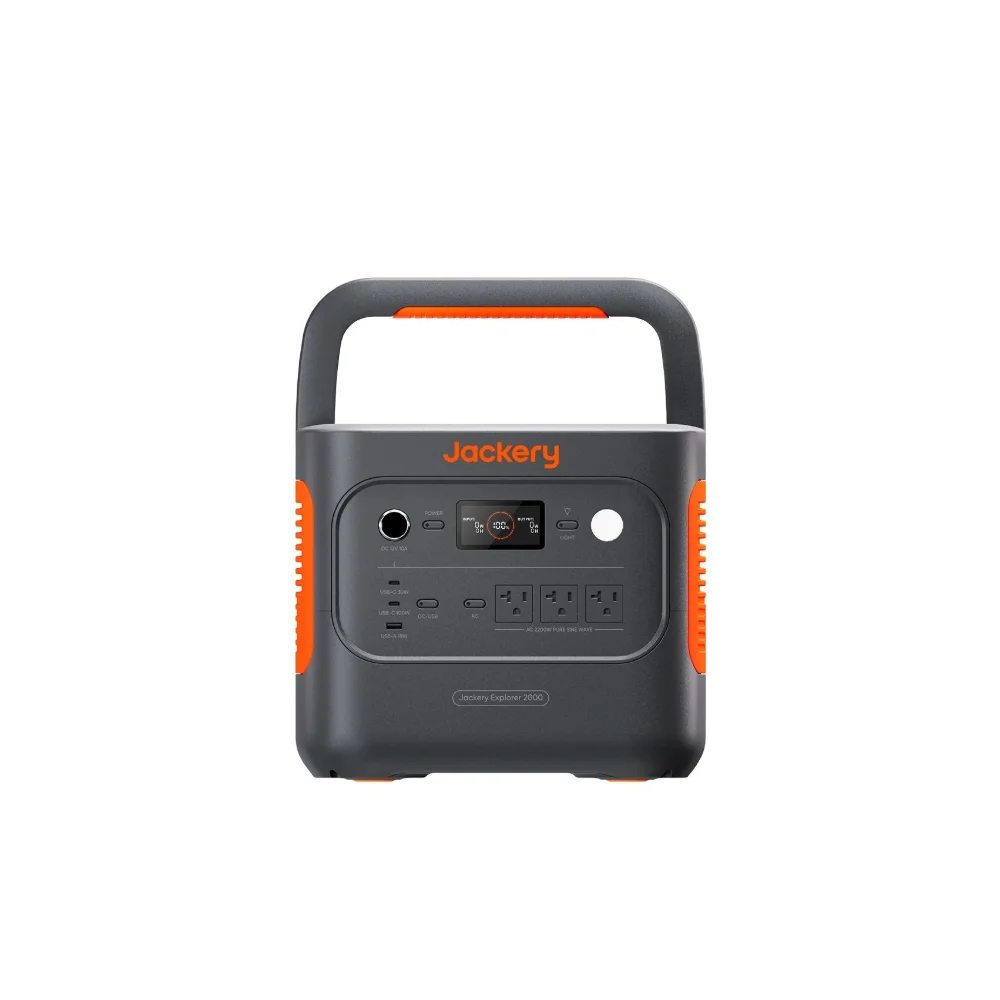
Strip away the marketing and a portable power station is just three things in a box: a rechargeable battery, an inverter that turns that battery’s DC power into the AC power your household plugs expect, and a set of ports. You charge it from a wall outlet, a car socket, or solar panels, then it powers your devices when there’s no grid power available — or when you simply don’t want to run a cord to the house.
In 2026, nearly every unit worth buying uses LiFePO4 (lithium iron phosphate) battery chemistry instead of the older lithium-ion cells. That single detail matters more than almost anything else on the spec sheet, and I’ll come back to it.
Step 1: Figure Out Your Capacity Number First
Capacity is measured in watt-hours (Wh), and it’s the single most important number on the box. Here’s the rough map I use when someone asks me what size to buy:
- Under 300Wh — phones, a laptop, small fans. Fine for a weekend camping trip, not enough for a real outage.
- 500–800Wh — a mini-fridge for a few hours, CPAP machines overnight, charging several devices. The sweet spot for most “just in case” buyers.
- 1,000–2,000Wh — genuinely useful home backup: fridge, some lights, a router, maybe a window AC unit for short bursts. This is where most serious buyers land.
- 3,000Wh and up — whole-circuit backup, often expandable with add-on batteries. Priced accordingly, and usually overkill unless you’re backing up a full home.
My take: don’t buy for the worst-case doomsday scenario you can imagine. Buy for the outage you’re actually likely to have — a few hours to a couple of days without grid power — and size up only if you know you’ll be running something power-hungry like a fridge or a space heater.
Step 2: Check the Output Wattage, Not Just the Capacity
Capacity tells you how long you can run something. Output wattage (continuous, plus a separate peak/surge number) tells you whether you can run it at all. A 1,000Wh battery is useless if the inverter only pushes out 300W and your fridge needs a 700W surge to start its compressor. Always check both numbers, and if you plan to run anything with a motor — a fridge, a sump pump, a power tool — pay close attention to the surge rating, since it’s typically much higher than the continuous rating for a reason.
Step 3: Battery Chemistry — Why LiFePO4 Wins in 2026
Older power stations used standard lithium-ion (often NMC) cells, which are lighter for their capacity but degrade faster — typically 500 to 1,000 full charge cycles before capacity drops meaningfully, and a real-world lifespan closer to 2–5 years. LiFePO4 cells, now the standard across most reputable brands, routinely deliver 3,000 to 6,500 cycles and can last well over a decade with normal use. They’re also more thermally stable, which matters if this thing is going to sit in a closet charged to 100% for months at a time between uses.
One of the more underrated benefits of LiFePO4 over older lithium-ion isn’t the safety margin — it’s how little charge it loses sitting in storage. A unit charged in October can still hold most of its charge come spring. That’s not a small thing if you’re buying this for emergencies you hope never happen.
Step 4: Decide How You’ll Recharge It
Every unit charges from a wall outlet, usually in under two hours for anything reasonably sized thanks to modern fast-charging. Most also accept a 12V car charger for road trips. The one worth thinking about deliberately is solar input: if you want to top up during an extended outage, check the maximum solar wattage the unit accepts (often listed separately from the battery capacity) and make sure it’s compatible with a panel you actually own or plan to buy. A 200W panel in good sun can put out 800–1,000Wh over a full day — enough to fully recharge a mid-size station.
Step 5: Don’t Ignore Ports and UPS Function
Count the ports you’ll actually use — AC outlets, USB-C (ideally with enough wattage for fast-charging a laptop), USB-A, and a 12V car-style port. And if you’re buying primarily as home backup, look for a UPS pass-through mode with a fast switchover time (some units switch in under 10 milliseconds), which lets the station sit plugged in and instantly take over for sensitive electronics the moment the grid drops, instead of you scrambling to plug things in during a blackout.
My Honest Recommendation
If this is your first power station, I’d point you toward a 1,000–1,200Wh LiFePO4 unit with at least 1,000–1,500W continuous output and solar input support, even if you don’t own solar panels yet. It’s the size that covers the most real-world scenarios without overspending on capacity you’ll rarely use. Buy based on the outage you’re actually likely to face, not the one you’re imagining at 2am — and once you own one, you’ll probably wonder why you waited this long.
Mistakes First-Time Buyers Make
A few things trip up a lot of first-time buyers — worth knowing so you can skip them entirely:
- Buying based on capacity alone. A great Wh number paired with a mediocre continuous output rating is a common trap — the unit looks powerful on paper but can’t actually start a fridge’s compressor. Surge wattage is easy to overlook until it matters mid-outage.
- Assuming solar input scales with the panel you already own. Pairing a 200W panel with a station whose solar input cap is only 100W means half that panel’s output goes to waste — always check the station’s actual input ceiling before buying panels to match it.
- Ignoring the weight until moving day. A 1,500Wh unit sounds abstract on a spec sheet until someone’s carrying 30+ pounds up a flight of stairs during a blackout with no elevator. If you live somewhere without ground-floor storage, weight deserves more attention than the spec sheet gives it.
- Not testing it before you need it. The worst time to discover a unit doesn’t hold charge, or that a cable is missing, is during an actual emergency. Charge it fully, run something on it, and confirm it works within the return window.
A Quick Capacity Cheat Sheet
To make the Wh-to-runtime math less abstract, here’s roughly what different capacities translate to for common devices, assuming continuous use:
- 300Wh: ~15-20 phone charges, or a laptop charged 4-5 times, or a CPAP machine for one night
- 600Wh: a mini-fridge cycling on and off for roughly 10-14 hours, or a string of LED camp lights for a couple of days
- 1,200Wh: a full-size fridge intermittently for close to a day, plus enough left over for lights and device charging
- 2,000Wh+: a fridge for multiple days, or a fridge plus a few smaller appliances running in rotation
These numbers assume a healthy, non-degraded battery and average appliance efficiency — treat them as a starting estimate, not a guarantee, and always check the actual wattage draw of whatever you plan to run.
Frequently Asked Questions
Do I need a separate solar panel, or does one come with the station?
Almost always sold separately, and that’s usually the right call — it lets you size the panel to your own budget and needs rather than being locked into whatever bundle a retailer pushes. If solar charging matters to you, budget for the panel as a separate line item, not an afterthought.
Can I run a power station indoors?
Yes — unlike a gas generator, a power station produces zero emissions at the point of use, so indoor use is completely safe from a fumes standpoint. Just give it reasonable airflow around the vents while it’s charging or under heavy load.
How long can a power station sit unused before I need to recharge it?
A quality LiFePO4 unit can typically sit for several months and still retain a majority of its charge. That said, most manufacturers recommend topping it up every 3-6 months during long storage periods rather than letting it fully deplete, which helps preserve long-term battery health.
Is a bigger power station always the safer choice?
Not necessarily — bigger means heavier, more expensive, and often slower to fully recharge via solar. The “safest” choice is the one sized to the outage you’re actually likely to face, with a bit of headroom, not the largest number you can afford.
Related Reading
- Portable Power Station Safety: What to Know Before You Buy
- Solar Charging Explained: How Fast Can You Really Recharge a Power Station?